On Plastic Surgery and Other Cosmetic Interventions

I published this essay about a year ago today. Cosmetic medical intervention is a subject of special interest for me, and problems associated with it, especially those performed for non-functional or non-reconstructive purposes, are often brought to mind at the medical practice I work in.

Amy M Cools's avatarOrdinary Philosophy

I work for a dermatologist who focuses his practice on medical dermatology. While all treat many of the same medical conditions, an ever-increasing percentage of dermatologists devote a substantial portion of their time to performing cosmetic procedures, from Botox and filler injections, chemical peels, and laser treatments to surgeries: facelifts, chin implants, eyelid modifications, and so on. The sign on the door of the medical practice I work for, however, reads ‘Diseases of the Skin’.

To me, this is a reassuring message, as if to say to all who enter ‘We are here to try and cure what ails you.’ It contrasts sharply with the message I get from cosmetic dermatology and surgery ads: ‘We agree that you’re ugly and need to be altered.’

Now, of course, this is only what I read into those ads, especially in my more sensitive moods. I don’t for a moment speak for anyone…

View original post 4,456 more words

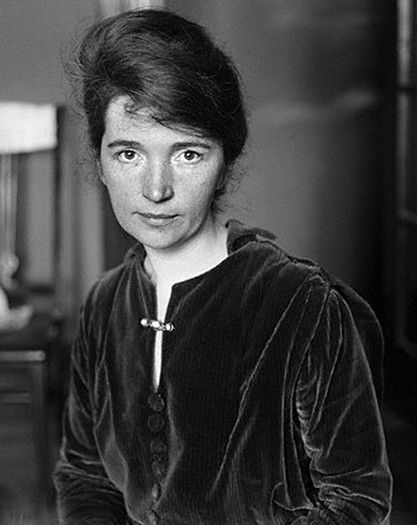
Happy Birthday, Margaret Sanger!

margaret-sangerMargaret Higgins Sanger was born on September 14, 1879 into a large Catholic family with 11 surviving children. Her mother died at about age 50 from tuberculosis. As young Margaret saw it, her mother was worn out from her 18 pregnancies, and would cite this as one of the many reasons she so passionately advocated for the right of women to control their own bodies and their own fertility.

She went on to become a nurse who worked with poor women in New York City in the 19-‘teens and twenties. As she saw these women struggle with the toll that uncontrolled pregnancies took on their families’ finances and their own health, Sanger became convinced that ‘birth control’, a term she invented, was essential if these women hoped to escape poverty and oppression. She opened America’s first birth control clinic and despite numerous arrests and fines, she continued her fight for reproductive rights. She founded the American Birth Control League in 1921, which became the Birth Control Federation of America in 1939 after merging with another organization, which in turn became Planned Parenthood in 1942. She continued her activism right up to her death in 1966. Sanger was instrumental in the creation of the first birth control pill Enovid, first available to the public in 1957. She also lived to see the Supreme Court validate her beliefs in the basic human rights to openly talk about sex and to control their own fertility in the Griswold v. Connecticut decision of June 7, 1965.

Sanger remains a controversial figure today. An ardent feminist, human rights activist, and advocate of sex-positivity, Sanger was also a eugenicist, believing that birth control was at least as important a tool for limiting the production of ‘the unfit’ (her words) as it was for women’s liberation. Sanger agreed with many leading scientists and progressives of her day in ascribing to so-called Social Darwinism (a problematic term since it doesn’t reflect Darwin’s own views as he expressed them), which applied the principles of natural selection to human social practice.  She did not, however, support any kind of compulsory or coercive forms of birth or population control, such as that practiced by the Nazis and even by the United States government, who forcibly sterilized thousands of so-called ‘feebleminded’ women. Instead, Sanger was an ardent advocate of self-determination, free speech, open discussions of sex and sexuality, and education, education, education. It was up to informed and thoughtful people, Sanger believed, to take responsibility for their own sexual choices and to convince others to do the same.

Unlike many other eugenicists, however, Sanger was not a racist. She worked closely with many leading black civil rights figures, believing, as they did, that birth control would have the same liberating effect on the black community as would for women generally. By limiting the number of children according to how many they could afford to raise and when, parents could more readily pursue an education, start a business, or otherwise devote their time, energy, and health to improving their standard of living which, in turn, they could pass down to their children.

Aside from her human rights activism, I find Sanger’s beliefs about human sexuality and its important role in spiritual and mental health most fascinating. I’ve chosen her as one the topics of an upcoming History of Ideas Travel Series as soon as I can make it happen, stay tuned! In the meantime, please follow the links in this article above and below to learn more about this important, fascinating, and troubling woman, and I highly recommend Jonathon Eig’s The Birth of the Pill, in which he recounts much of her personal history as well as her role in the Pill’s creation.

Ordinary Philosophy and its Traveling Philosophy / History of Ideas series is a labor of love and ad-free, supported by patrons and readers like you. Please offer your support today!

~~~~~~~~~~~~~~~~~~~~~~~~~

Sources and Inspiration:

Margaret Sanger Papers Project ~ Research Annex. Accompanying blog to The Sanger Papers Project by New York University.

The Pill, People & Events: Margaret Sanger (1879-1966)‘. From the American Experience website by PBS.

Sanger, Margaret. The Pivot of Civilization, 1922. Free online version by Project Gutenberg, 2008, 2013.

Tong, Ng Suat. Which Margaret Sanger?The Hooded Utilitarian blog, April 14, 2014.

Interview with Leigh Fought on Anna and Frederick Douglass

In my research and fact-checking for the final installment of my travel series following the life and ideas of Frederick Douglass, I stumbled on this recommendation on John Muller’s blog again. Thank you for this, John, and I’ve relied heavily on your work for my D.C. travels, I couldn’t have done it as enjoyably and as thoroughly without you!

jmullerwashingtonsyndicate's avatarFrederick Douglass in Washington, D.C.: The Lion of Anacostia

Anna Murray DouglassIf you haven’t reviewed the Douglass travel writing at “Ordinary Philosophy,” you should!

In the meantime, check out an interview with Prof. Leigh Fought here!

View original post

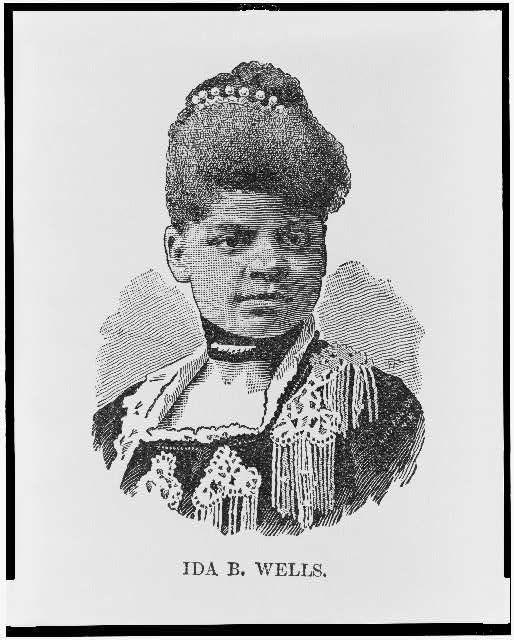
Happy Birthday, Ida B. Wells!

Ida B. Wells, head-and-shoulders portrait, published, 1891, Image retrieved from the Library of Congress LC-USZ62-107756, public domainIn my recent journey following the life of Frederick Douglass, I was so glad to have the opportunity to visit the place in New York City where he may have first met the great Ida B. Wells. It was late 1892, and this fiery young newspaperwoman had published her very controversial piece of investigative journalism in the New York Age on June 25, 1892. It was expanded and published as a pamphlet later that year as Southern Horrors: Lynch Law in All Its Phases.

Many people at that time thought of lynching as an unfortunate and somewhat rare excess of race-hatred by frustrated Southern whites. And many more saw it as a lawless but not entirely unjustified species of vengeance against black men who had raped white women. But Wells would change all that. In early 1892, three of Wells’ friends were lynched after a dispute between themselves and white owners of a rival business. She was outraged, and began an investigation of the practice and history of lynching as a whole.

When Wells wrote Southern Horrors, she had already been an activist and writer for black rights for many years. In 1884, she resisted being forced out of the first class train car into the ‘colored car’; she later sued the train company, won the first suit, then lost on appeal. This incident (which echoes Douglass’ train protest in 1841) led to many other lawsuits, articles, and activism against anti-black laws and social practices. In 1892, her investigation of lynching revealed to Wells that lynching was far from just vengeance for rape, it was inflicted for petty crimes, supposed insubordination or impertinence, drunkenness, competition, and so on. She discovered that lynchings were not all that rare, either, and came to the conclusion that they consisted a form of social control, a replacement for the terrorism of the slave system.

Douglass was inspired and energized by Wells’ writing and anti-lynching work, and wrote a letter praising Southern Horrors as an introduction. He visited her in New York City where she was living for a little while as a writer for and part owner of the New York Age, which was (probably) published at the site I visited in Harlem. I visited a second site associated with Wells two days after my New York visit: she delivered one of her hard-hitting speeches in her speaking tour following the publication of Southern Horrors at Tremont Temple in Boston on Feb 13th, 1893.

Education was another driving force in her life. Her first job was as a teacher at age 14, and she taught for many years, over time supplementing her teaching with journalism, writing and editing for the Evening Star, The Living Way, and the Free Speech and Headlight. Another of her most controversial, consciousness-raising articles was published in 1891 in the Free Speech about the conditions in black schools: the poor quality of the buildings which housed them, and of the education and morals of the teachers and school boards who administered them. She was not fired outright, but the school refused to hire her for the next school year. She then went on to work full-time for the newspaper, promoting the Free Speech from city to city and writing articles along the way, until the Free Speech‘s offices and printing press were destroyed by angry whites after the publication of her ‘Lynch Law’ piece. Adversity only served to strengthen Wells’ resolve, each attack causing her to re-double her efforts on behalf of her people.

Wells went on to have a long and distinguished career in writing, investigative journalism, and activism for black rights and women’s suffrage. She worked with Frederick Douglass and W.E.B. DuBois, toured the United States and Europe as a speaker and activist, founded Chicago’s Alpha Suffrage Club, served as secretary of the National Afro-American Council, founded and became the first president of the Negro Fellowship League, and helped found the National Association for the Advancement of Colored People (NAACP), among many other things.

For a long time, Wells thought of marriage and romantic relationships as oppressive, where women were expected to defer to men and flatter their vanity. But one day, she met a man who must have made her feel very differently, an attorney, writer, and fellow advocate for black rights named Ferdinand Barnett. She married him and they raised four children.

Please follow the links below to learn more about Ida B. Wells. If I manage to accomplish the tiniest fraction of what she did in my own life, I would consider myself a great success.

Ordinary Philosophy and its Traveling Philosophy / History of Ideas series is a labor of love and ad-free, supported by patrons and readers like you. Please offer your support today!

~~~~~~~~~~~~~~~~~~~~~~~~

Sources and inspiration:

Ida B. Wells-Barnett‘, episode 25 of the History Chicks podcast by Beckett Graham and Susan Vollenweider.

Ida B. Wells-Barnett‘. Encyclopædia Britannica. Encyclopædia Britannica Online.

McBride, Jennifer. ‘Ida B. Wells: Crusade for Justice‘. From Webster University’s website.

McNally, Deborah. ‘Barnett, Ferdinand Lee (1858-1936)‘, in BlackPast.org

Steptoe, Tyina. ‘Barnett, Ida Wells (1862-1931)’, in BlackPast.org

Wells, Ida. B. Crusade for Justice: The Autobiography of Ida B. Wells. Ed. Alfred Duster. Chicago, University of Chicago Press, 1970.

Wells, Ida. B. Southern Horrors: Lynch Law in All Its Phases, 1892, via Project Gutenberg

Wikipedia contributors. ‘Ida B. Wells‘. In Wikipedia, The Free Encyclopedia.

Wintz, Paul Finkelman, Cary D. Encyclopedia of the Harlem Renaissance: K-Y. 2004.


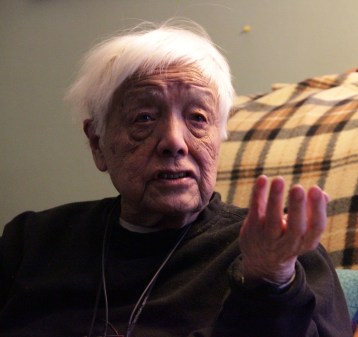
Happy Birthday, Grace Lee Boggs! Bio and Book Review by Ashley Farmer

Grace Lee Boggs, By Kyle McDonaldm creativecommons.orglicensesby2.0, via Wikimedia Commons, cropped“The Power And Importance Of Ideas:” Grace Lee Boggs’s Revolutionary Vision”

In the opening lines of her autobiography, Living for Change, Grace Lee Boggs remarked: “Had I not been born female and Chinese American, I would not have realized from early on that fundamental changes were necessary in our society.”[1] A daughter of Chinese immigrants born in 1915, who, by her account, became a philosopher in her 20s and an activist in her 30s, Boggs remains one of the greatest radical theorists of the twentieth century.

Born in Rhode Island, Boggs spent her childhood in New York City, working in the two restaurants her father owned in Times Square. At the age of 16, she left home to attend Barnard College, and afterward, Bryn Mawr, where she earned a PhD in Philosophy in 1940. Philosophers like Hegel helped her “see [her] own struggle for meaning as part of the continuing struggle of the individual to become part of the universal struggle for Freedom.”[2] Boggs moved to Chicago in 1940. She began working with the South Side Tenants Organization set up by the Workers Party, a Trotskyist group that had split off from the Socialist Workers Party. Her time in the Windy City proved transformative. For the first time she was talking and working with the black community, getting a first-hand sense of what it meant to live within the confines of segregation and discrimination, and learning how to participate in grassroots organizing.[3]

It was also during her tenure with the Workers Party that she met Caribbean radical C.L.R. James, and began a “theoretical and practical collaboration that would last twenty years.”[4] As part of a small wing of the workers Party led by James and Raya Dunayevskaya, Boggs became a leading theoretician, co-authoring texts like State Capitalism and World Revolution (1950). Through James, she came into contact with a number of black writers and activists who expanded her perspective. She relocated to Detroit in 1953, where she would organize with, and marry, James (Jimmy) Boggs.

During the 1950s, Boggs, “mainly listened and learned” to the black activists around her in an effort to better understand the black condition. It would take several years before she decided that she had been “living in the black community long enough to play an active role in the Black Power Movement that was emerging organically in a Detroit where blacks were becoming the majority.”[5] Living and working in what was considered to be an epicenter of black radicalism, Boggs engaged in a combination of theorizing and protesting, authoring texts with James Boggs, meeting and organizing with Malcolm X, and mentoring young radicals like Muhammad Ahmad (Max Stanford), leader of the Revolutionary Action Movement (RAM).

Her liberation theory was grounded in her study of philosophy and honed through her experiences organizing with and for black communities. It was also constantly evolving. Boggs emphasized dialectical thinking, arguing that reality is ever changing and that we must “constantly be aware of the new and more challenging contradictions that drive change.”[6] This reciprocal process drove her expansive vision of revolution. In her final book, The Next American Revolution, she explained her latest concept of revolution:

The next American Revolution, at this stage in our history, is not principally about jobs or health insurance or making it possible for more people to realize the American Dream of upward mobility. It is about acknowledging that we as Americans have enjoyed middle-class comforts at the expense of other peoples all over the world. It is about living the kind of lives that will not only slow down global warming but also end the galloping inequality both inside this country and between the Global North and Global South. It is about creating a new American Dream whose goal is a higher Humanity instead of the higher standard of living dependent on Empire.[7]

Boggs consistently offered a holistic vision of revolution and concrete steps through which to build it. She argued that achieving this goal meant more than organizing or mobilizing to petition the state or “changing the color of political power,” but rather growing food, reinventing education, developing Peace Zones in local neighborhoods, and creating restorative justice programs. She saw the seeds of revolution everywhere and showed us how, by practicing dialectical thinking, breaking down divides and categories, and building on rather than replicating older political models, we might “grow our souls.” She mirrored this in her own life, constantly “combining activity and reflection.”[8] Her willingness to do the work, her ability to listen and learn from black activists, her commitment to living in the communities in which she organized, and her openness to revising her politics, and values, made her an effective life-long ally of the black community and theoretician of liberation and revolution.

As she noted, often, “in the excitement of an emerging movement, we tend to want to be part of the action, and we underestimate the power and importance of the ideas in our heads and hearts.”[9] Upon her death, it’s important to revisit the ideas in her head. She left us a roadmap for revolution through ideas and action, one that anyone could be a part of if they were clear about the stakes of the transformation and that fundamental change is necessary.

~ Ashley Farmer is an historian of African-American women’s history. Her research interests include women’s history, gender history, radical politics, intellectual history, and black feminism. She earned a BA in French from Spelman College, an MA in History from Harvard University, and a PhD in African American Studies from Harvard University. She is currently a Provost Postdoctoral Fellow in the History Department at Duke University. In August 2016, she will be an Assistant Professor in the Department of History and the African American Studies Program at Boston University. This bio and more about Ms. Farmer are to be found at her personal website

~ Originally published at the African American Intellectual History Society blog, republished under the Creative Commons license

Ordinary Philosophy and its Traveling Philosophy / History of Ideas series is a labor of love and ad-free, entirely supported by patrons and readers like you. Please offer your support today!

~~~~~~~~~~~~~~~~~~~~~~~~~~~~~~~~~~~~~~

[1] Grace Lee Boggs, Living for Change: An Autobiography (Minneapolis: University of Minnesota Press, 1998), xi.

[2] Ibid., 30-31.

[3] Ibid., 36.

[4] Ibid., 43. James and Boggs “went their separate ways in 1962.”

[5] Grace Lee Boggs with Scott Kurashige, The Next American Revolution: Sustainable Activism for the Twenty-first Century (Berkeley: University of California Press, 2011), 66.

[6] Ibid., 62.

[7] Ibid., 72.

[8] Ibid., 164.

[9] Ibid., 80.

O.P. Recommends The Stronger Sex: Women Scholars and Islam, by Peter Adamson

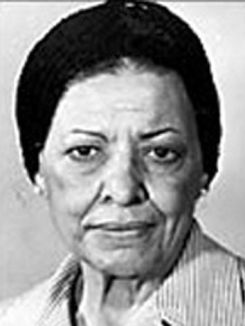
Bint al Shati, image credit AchetronI just listened to a podcast episode I had missed a year and a half or so ago, from my go-to podcast for discovering the gaps in my knowledge (of which there are so many! sigh) about Ancient Greek, Islamic, Medieval, and Indian philosophy from Peter Adamson’s History of Philosophy Without Any Gaps. As you may remember, I had the privilege of having a conversation with him not that long ago for Ordinary Philosophy’s podcast.

The podcast episode I just listened to that I’m recommending today is called The Stronger Sex: Women Scholars and Islam (#192). In it, ‘Fatema Mernissi and others challenge the long-standing (but not complete) exclusion of women from the intellectual traditions of Islam.’ It was altogether fascinating, and much of what I heard surprised me. It made me very curious to learn more about women in Islamic philosophy.

Enjoy!

Ordinary Philosophy and its Traveling Philosophy / History of Ideas series is a labor of love and ad-free, entirely supported by patrons and readers like you. Please offer your support today!

Frederick Douglass Seneca Falls, Canandaigua, Honeoye, and Mt Hope Cemetery Sites

Women's Rights National Historical Park headquarters, Seneca Falls NY

Women’s Rights National Historical Park headquarters, Seneca Falls NY

Eleventh day, Tuesday March 30th

It’s a beautiful, clear sunny day, and the chill of the morning gives way to a balmy afternoon. I drive about an hour east and slightly to the south, through the lovely Finger Lakes region of New York to Seneca Falls.

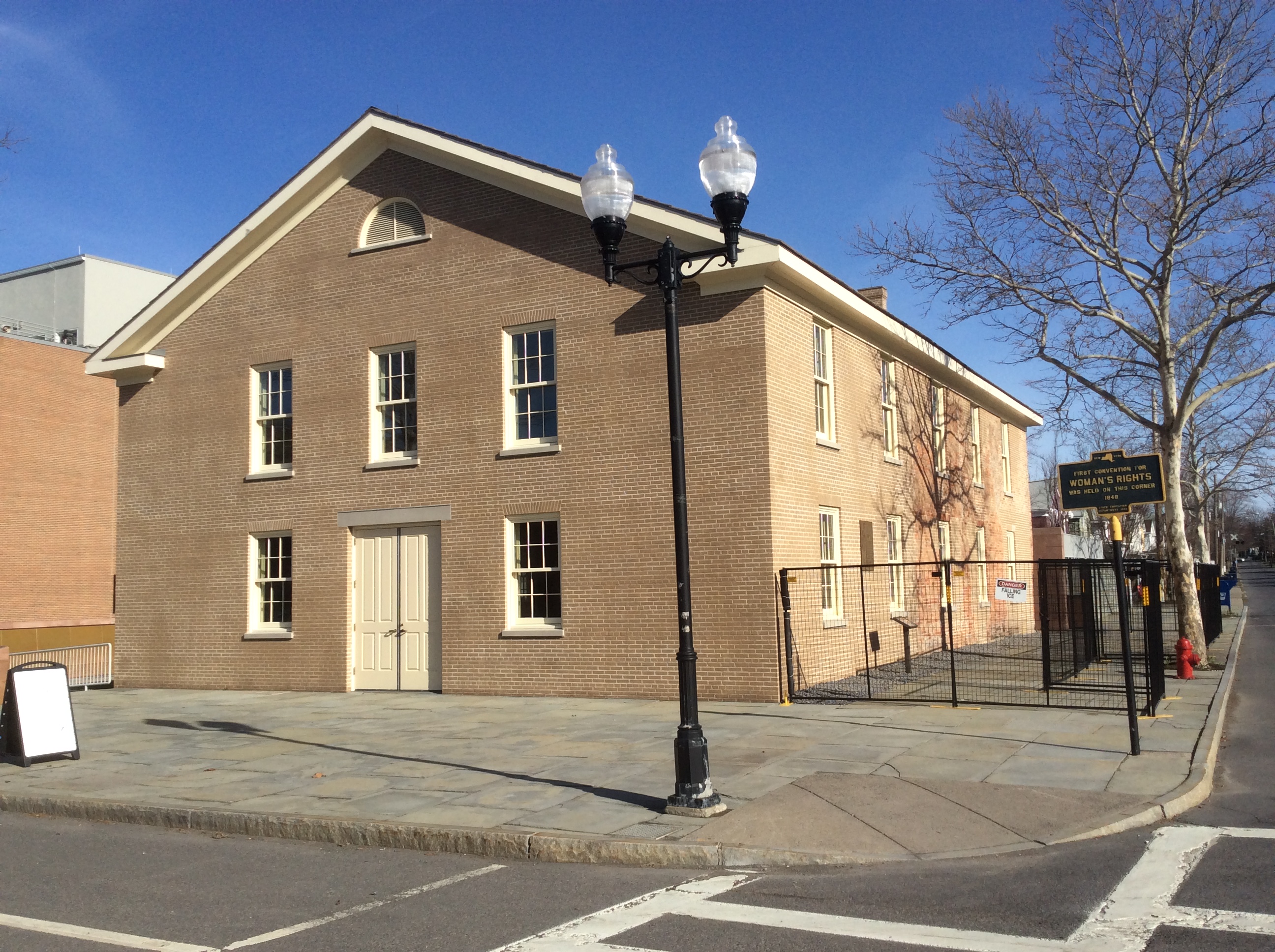
I’m here to visit what’s now the Women’s Rights National Historical Park, which is headquartered at 136 Fall Street in Seneca Falls. I begin with the reconstructed Wesleyan Church next door at Fall and Mynderse Streets, the site of that momentous occasion which brings me here. I’ve long wanted to visit this place and had hoped to do so during my history of ideas travel series about Elizabeth Cady Stanton, but didn’t have enough time during that trip to make the journey, about a five hour drive from New York City one-way. But here I am at long last.

Wesleyan Chapel, site of 1st Women's Rights Convention, Seneca Falls NY, 2016 A Cools

Wesleyan Chapel, the site of the Seneca Falls Women’s Rights Convention of 1848
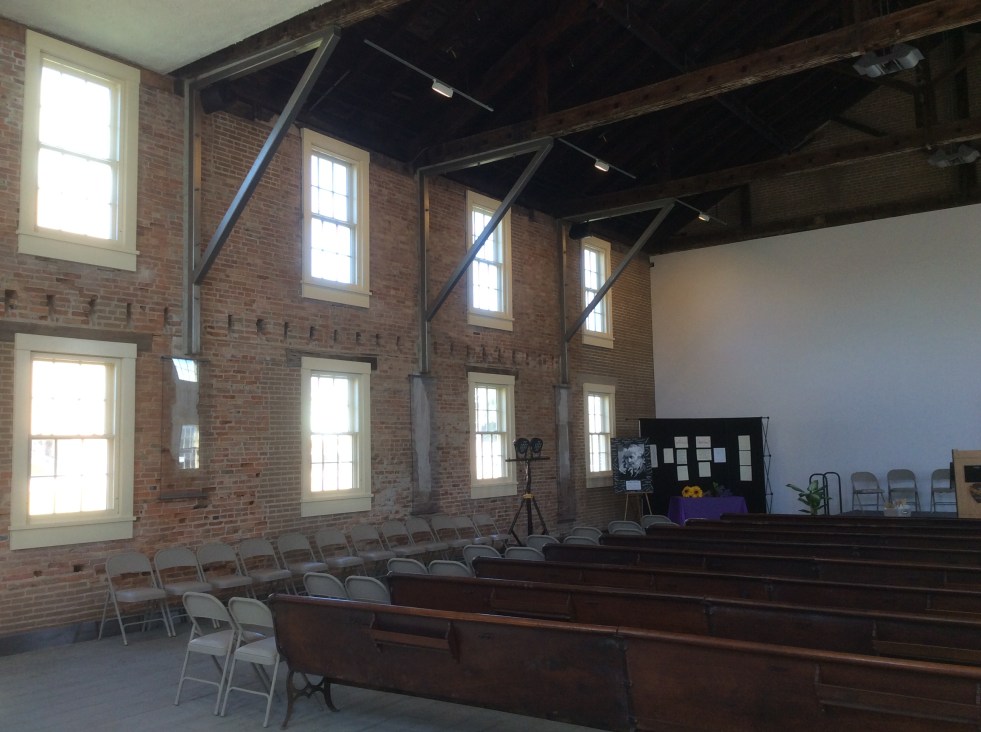
Interior of the rebuilt and restored Wesleyan Church. It went through several remodels and incarnations as various businesses, but much of the original brickwork remained, including some of the original plaster underneath layers of paint and later interior walls

Interior of the rebuilt and restored Wesleyan Church where the Convention was held. It went through several remodels and incarnations as various businesses, but much of the original brickwork remained, including some of the original plaster underneath layers of paint and later interior walls, now preserved beneath sheets of plexiglass

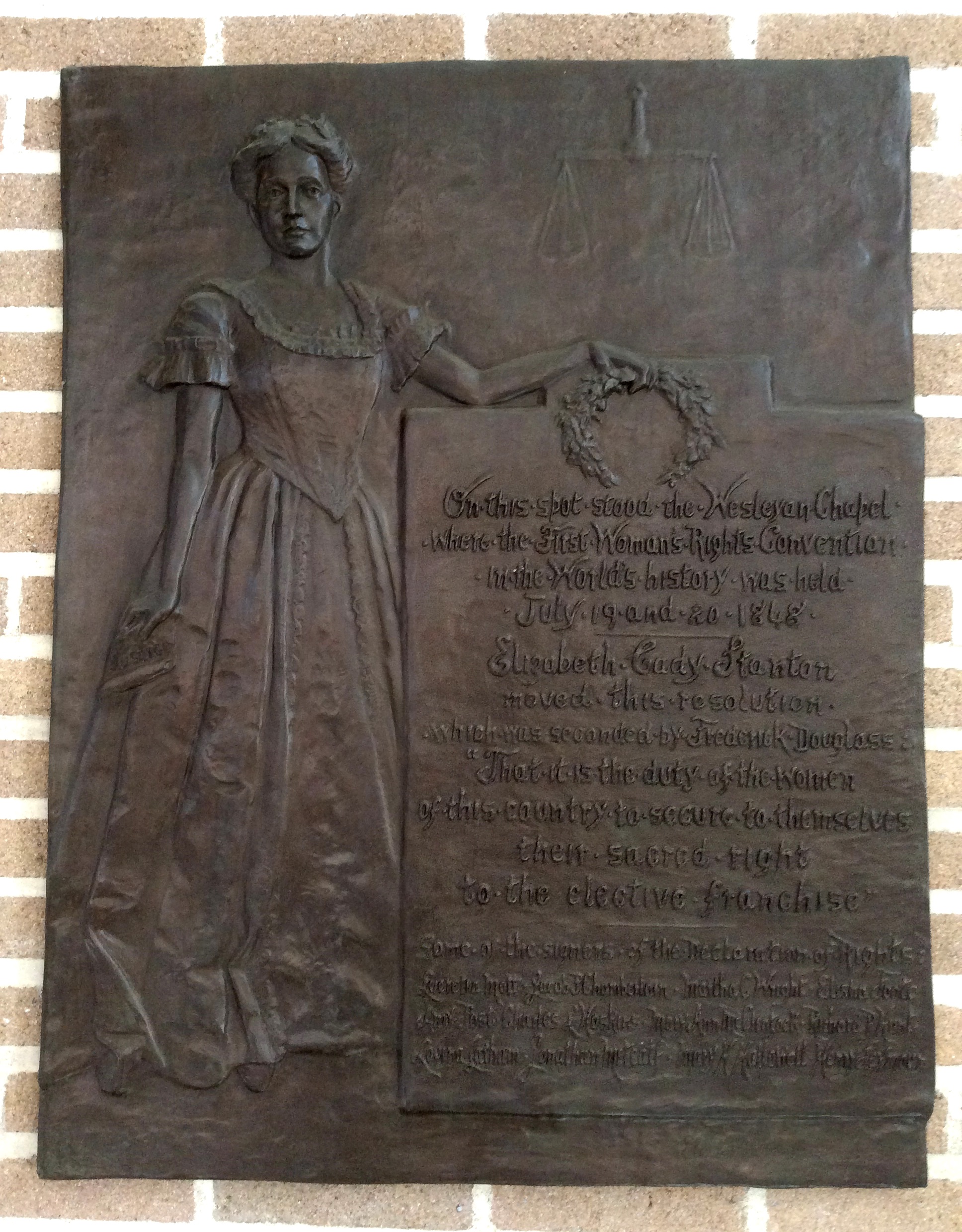
On July 19th and 20th of 1848, Frederick Douglass attended the Women’s Rights Convention here, the first women’s rights convention in the United States. This convention grew out of the abolitionist cause, directly and indirectly, to which Douglass had dedicated his life.
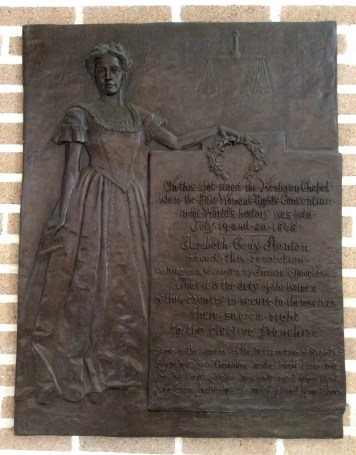
1848 Seneca Falls Woman's Rights Convention commemorative plaque in the Wesleyan Chapel

1848 Seneca Falls Woman’s Rights Convention commemorative plaque in the Wesleyan Chapel, placed here on the 60th anniversary of the Convention in 1908

Directly, Stanton and her fellow abolitionist Lucretia Mott were incensed that they were forced to sit in a segregated balcony at the 1840 World Anti-Slavery Convention in London, along with all of the other female attendees. To make matters worse, women were not allowed to speak during the proceedings at all. Stanton and Mott planned to do something about the injustice that pervaded even this supposed haven of enlightened humanity. At Seneca Falls, they did, though Stanton’s activist efforts had been delayed, as would continue to be the case for many years, by frequent childbearing and resulting family responsibilities, to Susan B. Anthony’s dismay.

Indirectly, the women’s rights movement had, for many, come to be identified with the abolitionist movement, as many realized that many of the same and similar arguments for the liberation of black people applied to the liberation of women. If all human beings were equal in that they shared the same basic human nature and dignity (which according to many, was bestowed by God), they were entitled to the same political rights as any other person and had the same moral claim to just and kind treatment by their fellow human beings. If this were true for black people and for people of other races, how could this not be true for women? Women’s consciousness of their subjugated status had been growing for a long time, but it was the reform era of Stanton and Douglass that saw the first serious efforts to enact more substantial, comprehensive laws to protect and establish the political and social rights of women.

Frederick Douglass and Elizabeth Cady Stanton sculptures at the Women's Rights National Historical Park museum, part of the 'First Wave' sculpture group by Lloyd Lillie

Frederick Douglass and Elizabeth Cady Stanton sculptures at the Women’s Rights National Historical Park museum, part of the ‘First Wave’ sculpture group by Lloyd Lillie

It was here that Douglass met Stanton in 1848, and they became lifelong friends, though their relationship was deeply strained at times by the same disagreements and racist rhetoric over the 14th and 15th Amendments that had marred his friendship with Susan B. Anthony. (You may remember the story of Stanton’s bad behavior in my earlier account of visiting other New York sites.) I like to imagine the tiny 5′ 3″ Stanton and the over 6′ tall Douglass, both indomitable, both intellectually gifted, sometimes deep in conversation, and sometimes delivering speeches in their very different yet forceful and convincing rhetorical styles. Douglass was the only black person in attendance at the Convention, and not only was he the only man who stood in favor of Stanton’s initial motion for a resolution calling for women’s suffrage, he was the only one to do so at first. It was initially too controversial even for most of the attendees, who were calling for better property and child custody rights. He delivered one of his trademark eloquent speeches in favor of Stanton’s motion, and it was so convincing that it passed by a narrow majority, though unfortunately, the resulting storm of media criticism caused many to withdraw their names afterwards.

Douglass’ feminism was inspired by gratitude as well as his sense of justice and intellectual commitment to logical consistency. As he wrote in his Life and Times ‘Observing woman’s agency, devotion, and efficacy in pleading the cause of the slave, gratitude for this high service early moved me to give favorable attention to the subject of what is called “woman’s rights” and caused me to be denominated a women’s-rights man. I am glad to say I have never been ashamed to be thus designated. Recognizing …moral intelligence and the ability to discern right from wrong, good from evil, and the power to choose between them, as the true basis of republican government, to which all are alike subject and all bound alike to obey, I was not long in reaching the conclusion that there was no foundation in reason or justice for woman’s exclusion from the right of choice in the selection of the persons who should frame the laws…’ (Autobiographies 906-07).
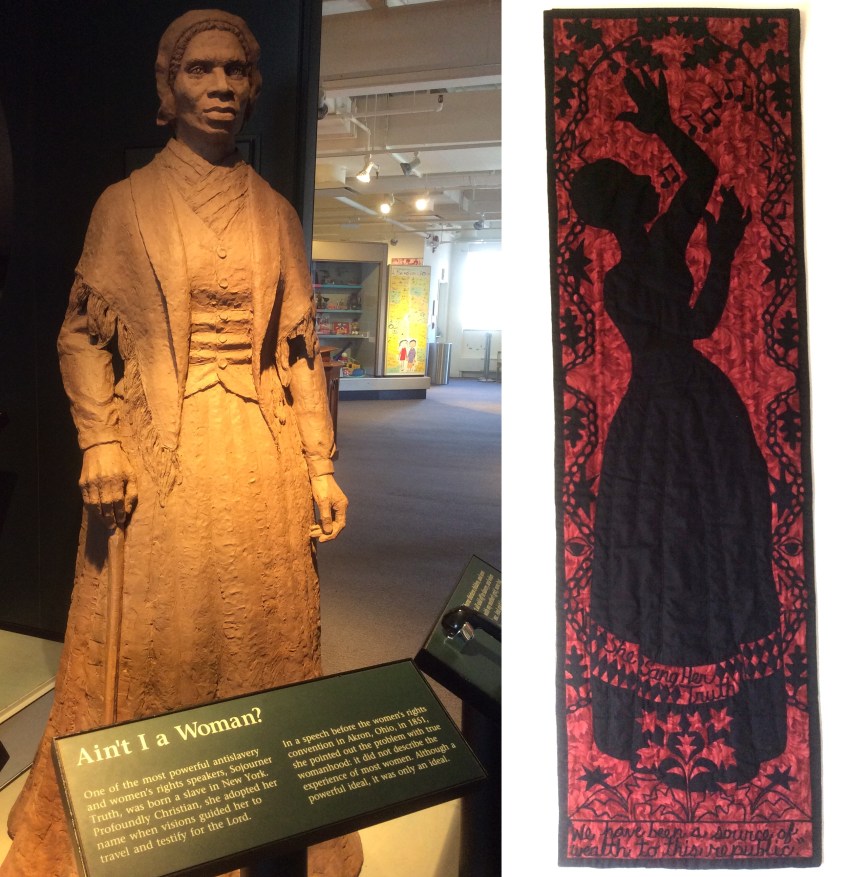
Soujourner Truth statue and plaque at the Women's Rights National Historical Park, and 'The Truth Sings' quilt by Alice Gant, on temporary display

Soujourner Truth statue and plaque at the Women’s Rights National Historical Park, and ‘The Truth Sings’ quilt by Alice Gant on temporary display

Among the varied and fascinating exhibits I see at the museum, I find two of Sojourner Truth: one a statue with a plaque telling of her momentous ‘Ain’t I a Woman?’ speech, and another a quilt, which warms my heart because as you may already know, I’m a quilter myself. Douglass referred to Sojourner Truth as his ‘good old friend’ and like Douglass, though she hoped for a peaceful end to slavery, she came to believe that war would be necessary. In an instance that he relates in his Life and Times, Truth asked him: ‘Frederick, is God dead?’ He answered: ‘No, and because God is not dead slavery can only end in blood.’ Douglass’ answer reflects sentiments found in Thomas Jefferson’s remark on slavery ‘I tremble for my country when I reflect that God is just’ and in Abraham Lincoln’s words from his Second Inaugural Address: ‘Fondly do we hope, fervently do we pray, that this mighty scourge of war may speedily pass away. Yet, if God wills that it continue …until every drop of blood drawn with the lash shall be paid by another drawn with the sword, ….so still it must be said “the judgments of the Lord are true and righteous altogether’.

Gerit Smith, Theodosia Smith, and Frederick Douglass share an antislavery podium. This photo reproduction is on display at the Seneca Fall WRNHP

Gerit Smith, Theodosia Smith, and Frederick Douglass share an antislavery podium. This photo reproduction is on display at the Seneca Fall WRNHP

An interesting fact I learned at the Seneca Falls museum: Elizabeth Cady Stanton and Gerit Smith, Douglass’ great friend, mentor, and political ally, were cousins, and she met her future husband at Smith’s house. Smith was a philanthropist, radical politician, reformer, and activist, and a profound influence on Douglass, whose shift in views on the role of politics in reform and the correct interpretation of the Constitution brought them in closely in line with Smith’s own. Smith provided financial and moral support for Douglass’ North Star and rallied his friends to do the same, and Douglass threw his support behind Smith’s successful run for Congress in 1852, though not his unsuccessful run as a Radical Abolitionist presidential candidate against Republican Abraham Lincoln in 1860. Douglass’ pragmatism ruled in this instance, and he supported the candidacy of the latter.

Smith was also a supporter of John Brown’s raid on Harper’s Ferry, a story which we’ll return to in my next travel account.

Gerit and Ann Smith, photos from the Hutchinson family scrapbook at the Lynn Museum and Historical Society
Gerit and Ann Smith, photos from the Hutchinson family scrapbook at the Lynn Museum and Historical Society

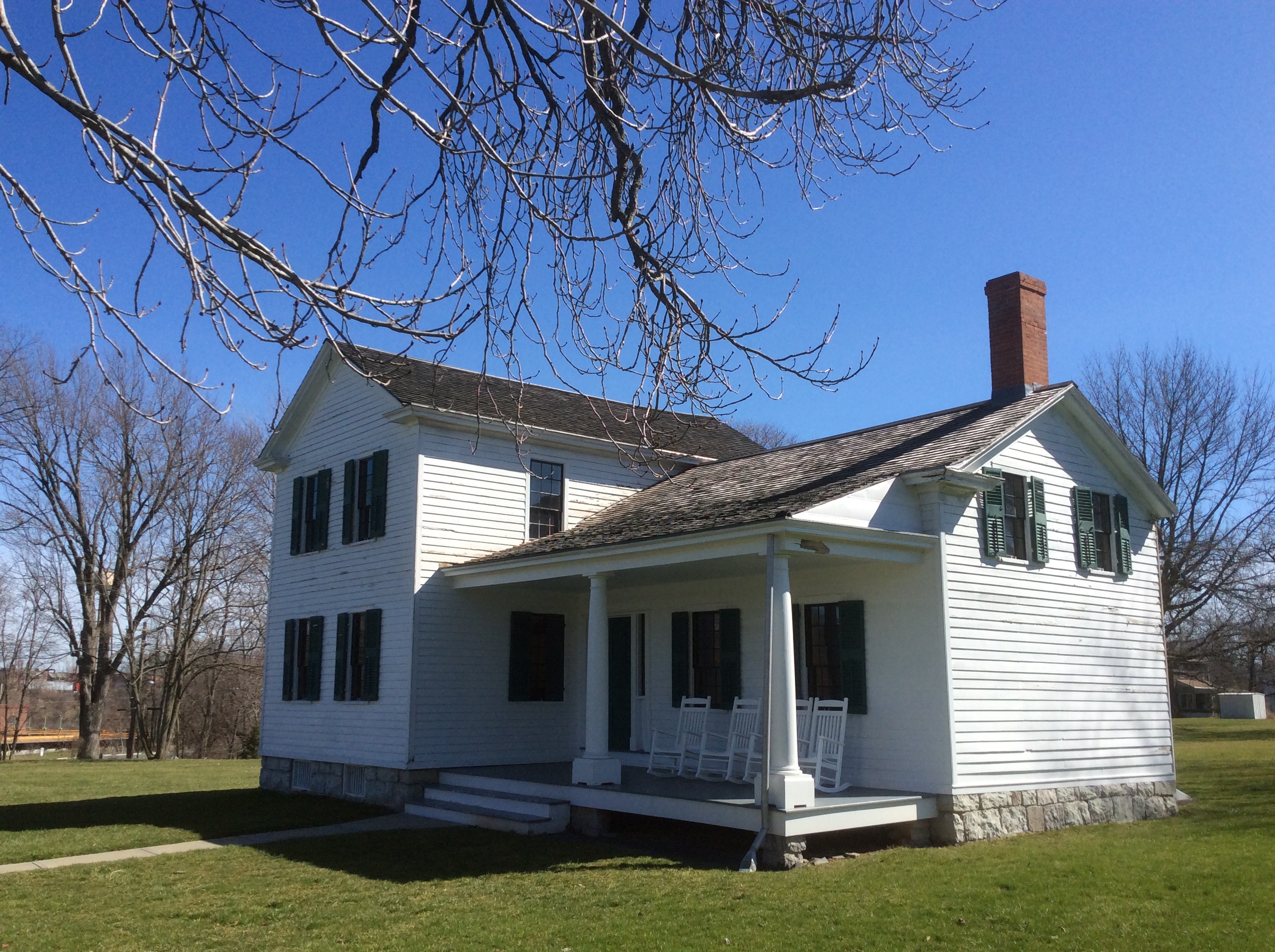
Elizabeth Cady Stanton's house in Seneca Falls, NY

Elizabeth Cady Stanton’s house in Seneca Falls, NY

An interior view of Elizabeth Cady Stanton's House, Seneca Falls

An interior view of Elizabeth Cady Stanton’s House, Seneca Falls

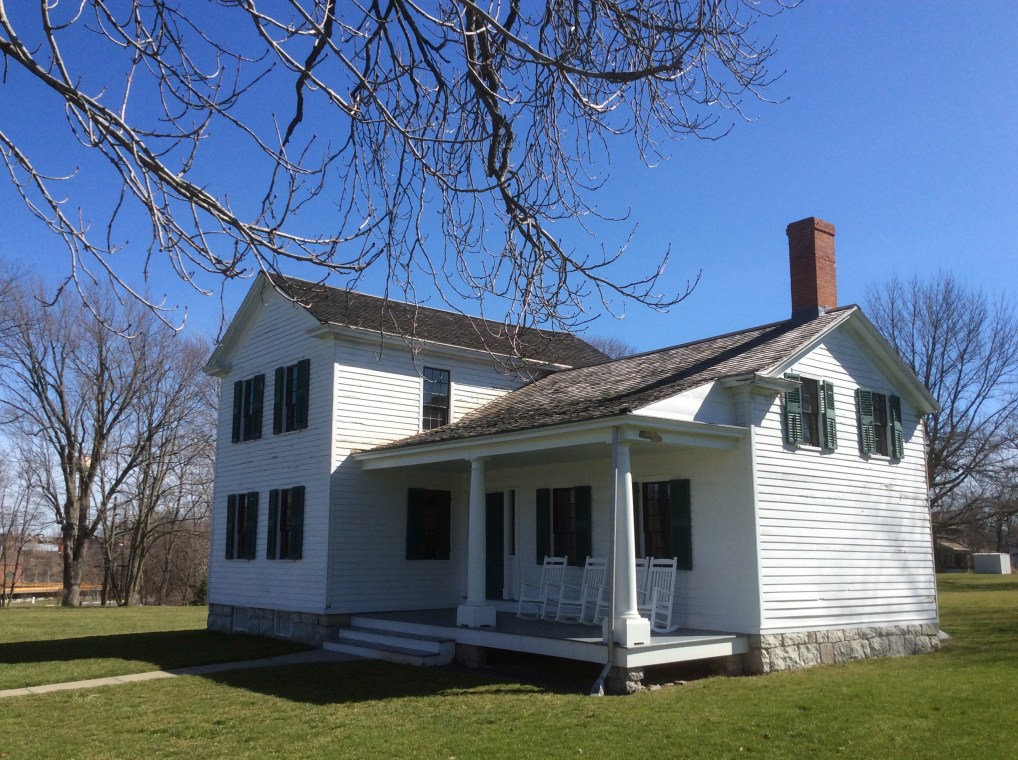
After a thorough tour of the exhibits, I continue to Stanton’s house. Though it’s on the other side of the river, it’s officially part of the park, which includes other locations of significance in the women’s rights movement here in Seneca Falls and one in neighboring Waterloo. It appears now a very simple clapboard affair, though I learn from the Park Service historical sign that it had been about twice the size that it is now and the Stantons had a lot of work done to make it a comfortable and lovely home, naming it ‘Grassmere’ after poet William Wordsworth’s place. But Stanton was restless here, missing the busy social life she had enjoyed in Boston and bored with full-time housekeeping and child-rearing. The convention revived her spirits, as did traveling to speak at subsequent women’s rights conventions in Rochester and elsewhere, and her collaboration with Anthony, which lasted for the rest of her life. They met here in Seneca Falls three years after the 1848 convention, introduced to each other by Amelia Bloomer, for whom the early-feminist long-puffy-pants were named and which Stanton and Anthony could not be persuaded to adopt. They wanted to be taken seriously and felt the strange pants would distract from the message of their cause. They were right.
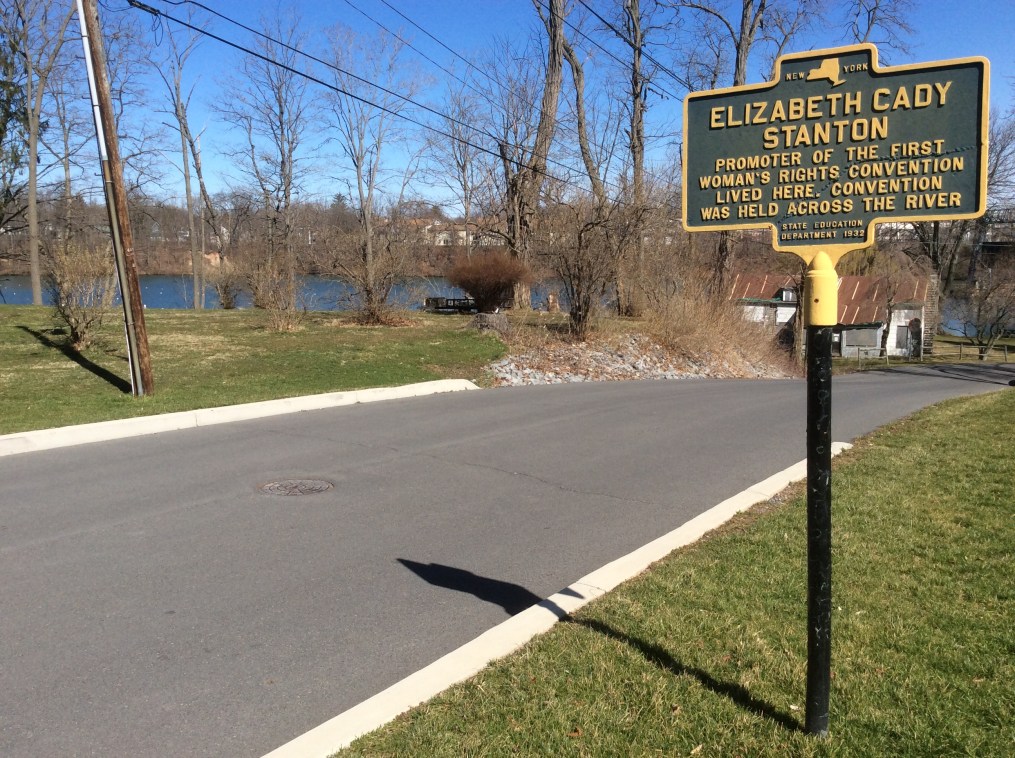
Elizabeth Cady Stanton house historical marker, with the Seneca River in the background
Elizabeth Cady Stanton house historical marker, with the Seneca River in the background

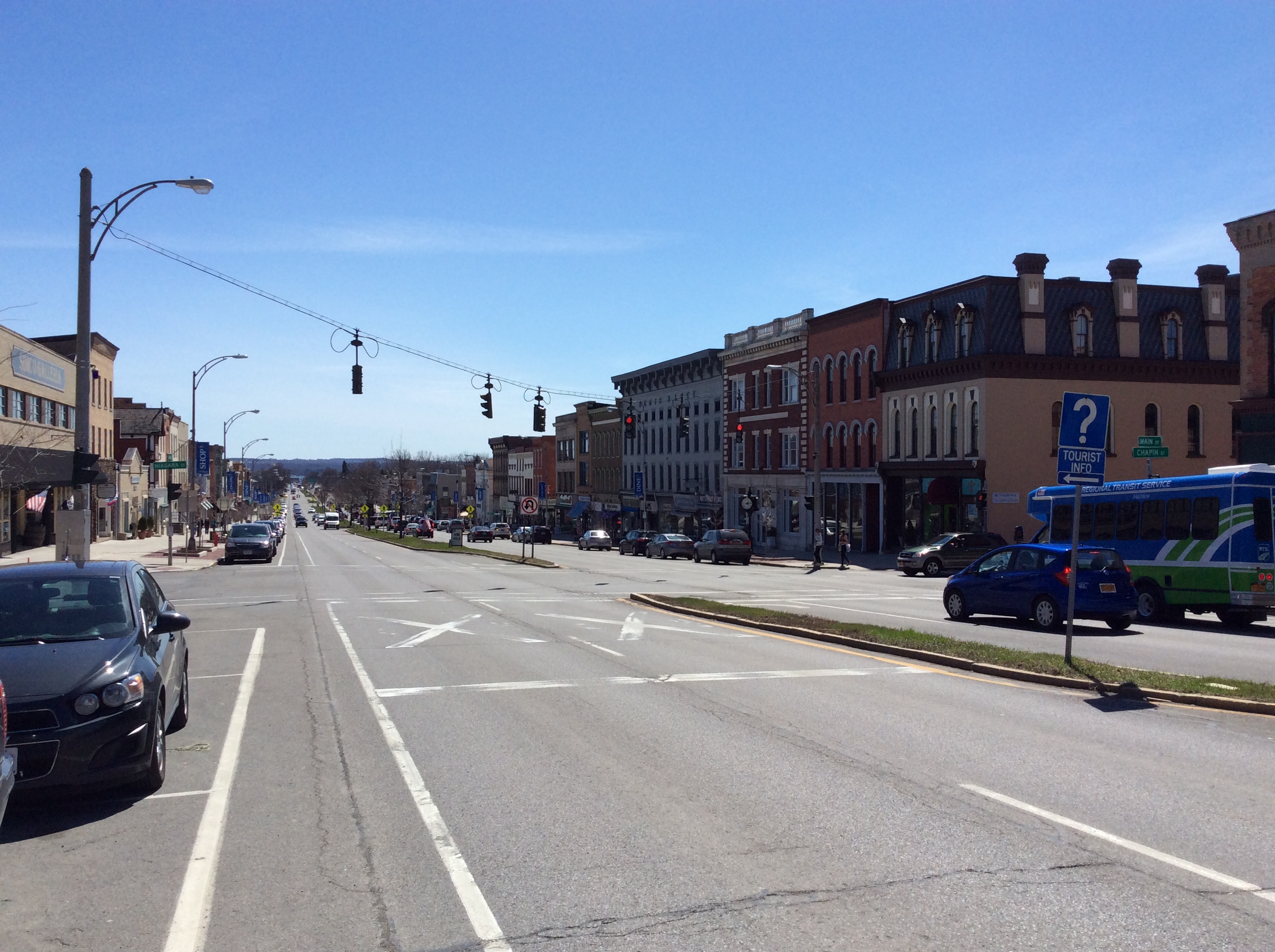
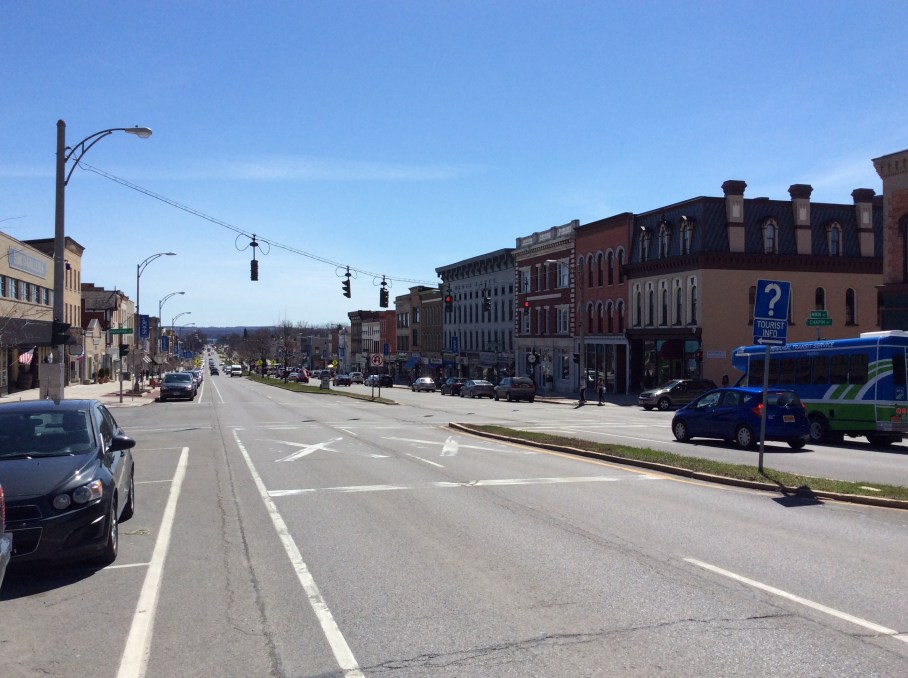
Main St, Canandaiga, NY

Main St, Canandaigua, NY

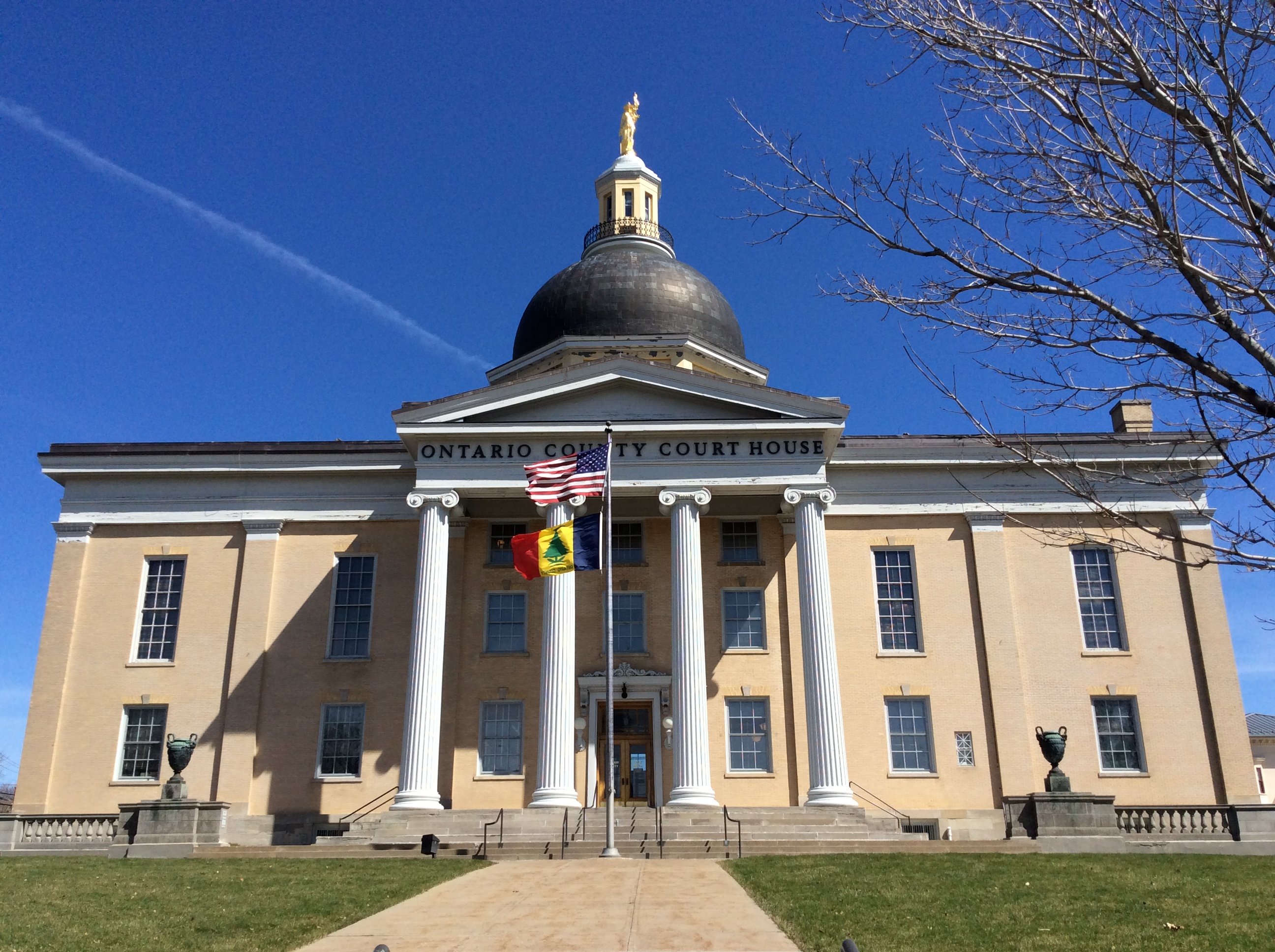
Canandaigua Courthouse, site of Susan B. Anthony Trial

Canandaigua Courthouse, site of Susan B. Anthony Trial

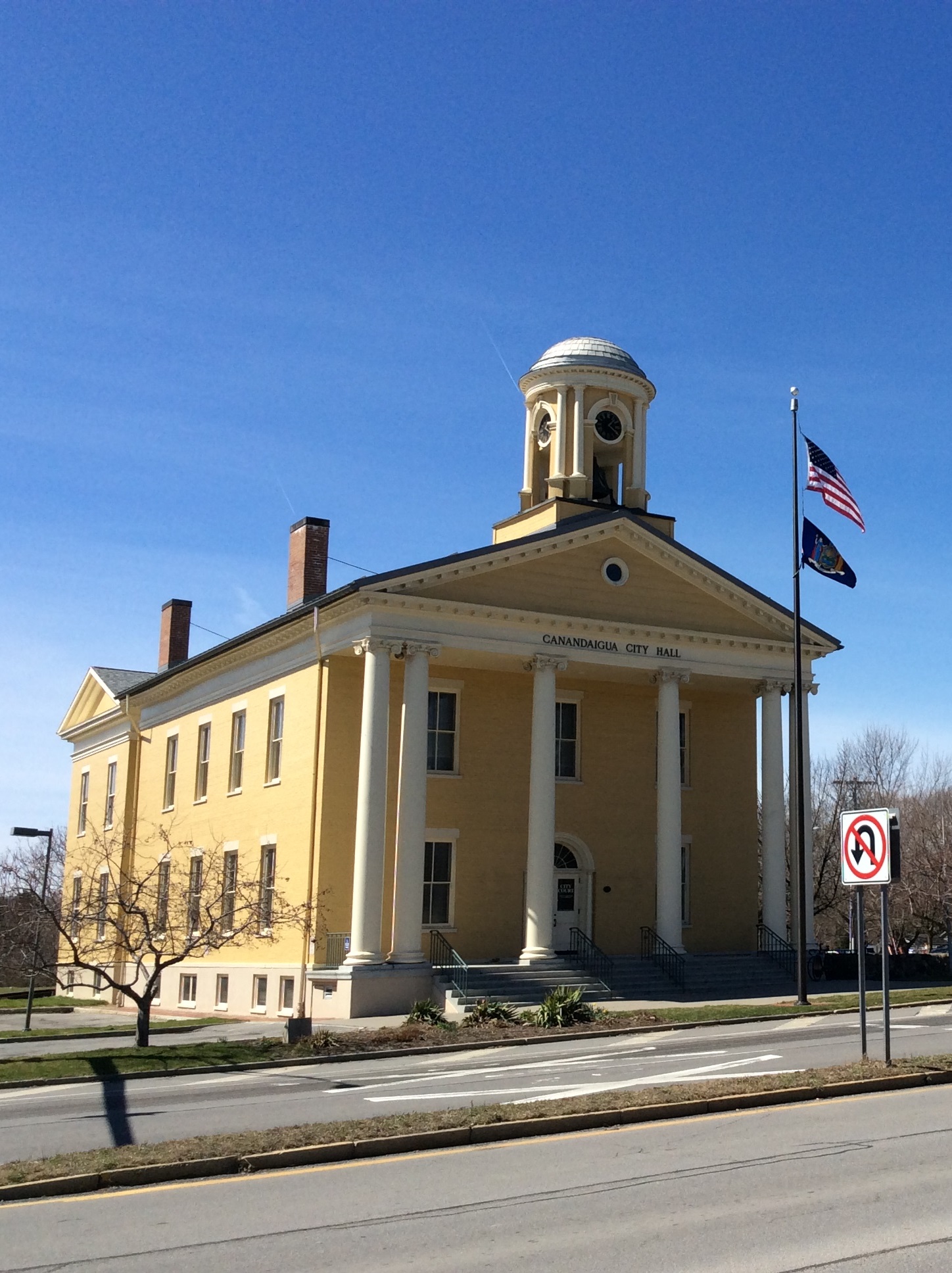
 Canandaiga's City Hall, NY

Canandaiga’s City Hall, NY

I continue my travels east toward my next destination via Canandaigua, a town which had come up in my discussion with Douglass scholar David Anderson and my visit to the Susan B. Anthony House in Rochester.

I find myself first at the Ontario County Courthouse on Main St at Ontario, where Susan B. Anthony was put on trial for voting in 1873. As I speculated in the account of my second day in Rochester, Douglass must have been proud.

Douglass was a keynote speaker at the August 4th, 1857 celebration here, of the West Indies Emancipation of August 1st, 1834, when the approxomately 750,000 slaves of the British West Indies were freed, at least formally. Douglass addressed his remarks to ‘Mr. President’, by whom he meant Austin Steward. Steward was a friend and important influence on Douglass, and according to David Anderson, the Douglass scholar I talked with yesterday, he asked, if Britain can separate from slavery, why not the United States?

Steward fled slavery and gained his freedom in 1813. He become a successful Rochester businessman, a writer of one of the great slavery narratives Twenty-Two Years a Slave, and Forty Years a Freeman, and was President of the Board of Managers for the Wilberforce colony in Canada, founded as a haven for black people fleeing oppressive laws in Ohio.
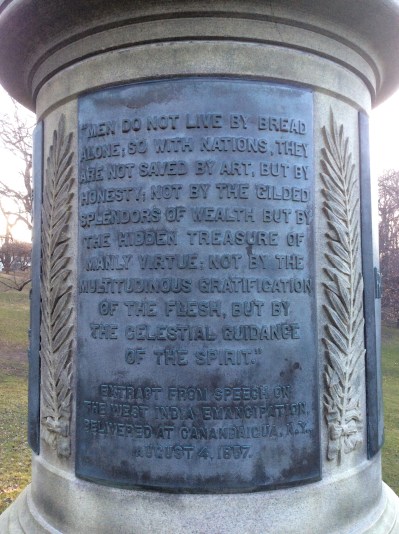
Excerpt from speech at Canandaigua, NY, 1857 on Frederick Douglass statue in Rochester

Excerpt from speech at Canandaigua NY in 1857, on the pedestal of the Frederick Douglass monument / statue in Rochester’s Highland Park

I haven’t been able to uncover the exact location where Douglass gave his famed speech here, the speech that yielded one of his most famous quotes: ‘If there is no struggle, there is no progress’. According to the sources I do find, there were parades. I’m guessing they would have happened on Main Street, perhaps beginning or ending at City Hall as many public celebrations of civic events do.

Austin Steward is buried in here in Canandaigua. I’m rapidly running out of time for the day and I still have several places to visit and many miles to drive, so I press on and don’t seek his burial site today, as much as I wish to. But if you have the chance to visit, he was buried at West Avenue Cemetery in 1860. Please pay my respects for me until and if I have the opportunity to do so myself.

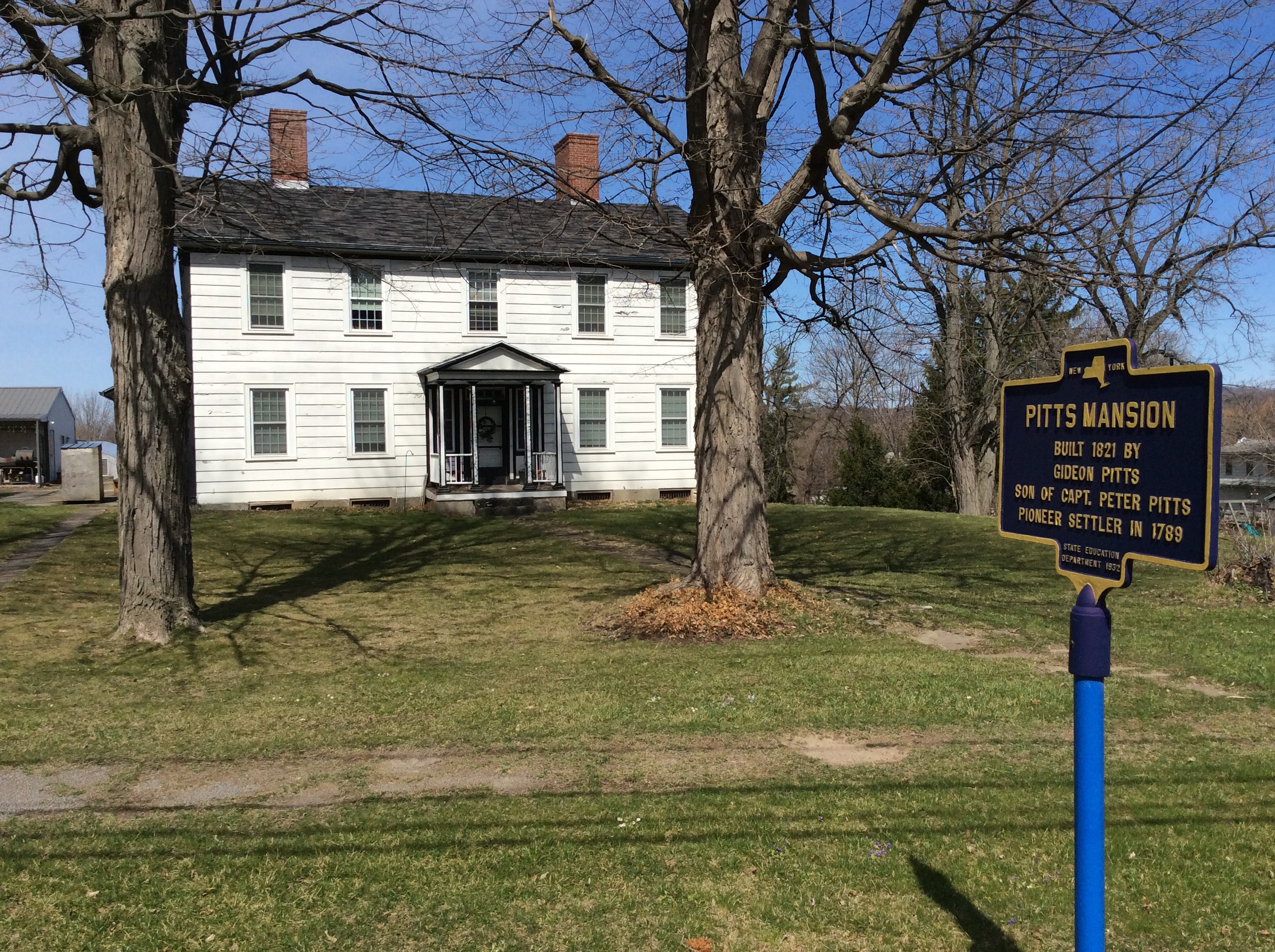
I continue east, a lovely drive of one hour on Highway 20A to where it turns into West Main St in Honeoye. My destination is the Pitts mansion, located just west of Church St which t-bones northward off W. Main. On the north side of the street, there’s a two-story white house with a pointy roofed little front door porch, and a prominent historical marker out front.
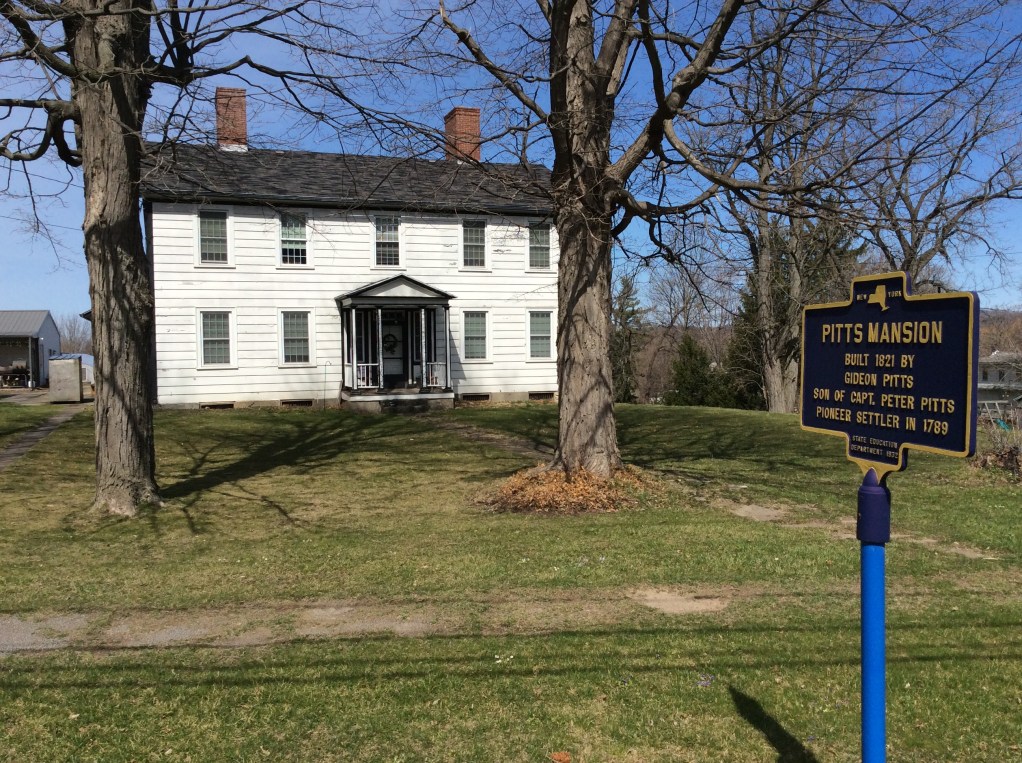
Gideon Pitts House, Honeoye, NY, home of the father of Helen Pitts Douglass

Gideon Pitts House, Honeoye, NY, home of the father of Helen Pitts Douglass

Near the end of January in 1884, the newly married widower Douglass and his wife Helen Pitts Douglass traveled to Honeoye to visit her father and his old acquaintance and fellow abolitionist, Gideon Pitts. They had known each other since the 1840’s, and Helen may even have met Douglass when she was a child. Despite his abolitionist beliefs and old ties to Douglass, Pitts did not allow Douglass to enter the house. Pitts was far from the only one of Douglass’ friends and colleagues to disapprove of their marriage; interracial marriage was widely seen as a step too far even by many of the most committed abolitionists. But some stood by him, as you may remember from my earlier accounts. This was Stanton’s opportunity to stand by him as he had stood by her 36 years ago at Seneca Falls, and she did so by writing him a letter of congratulations, which was kept out of the press only at the urging of Susan B. Anthony, always on the defense against anything that might hurt the women’s suffrage cause. Stanton had become more radical and nonconformist by this time, and had discarded the racist rhetoric and attitudes she had adopted in the fight over the 14th and 15th Amendments.
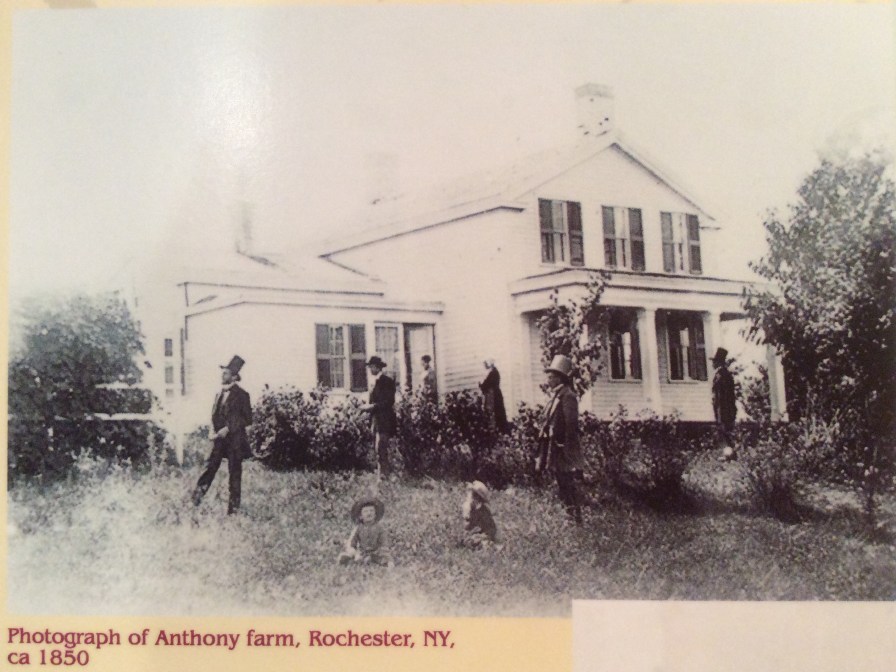
Anthony Family Farm photo, Susan B. Anthony House Museum, Rochester NY

Anthony Family Farm photo reproduction in an exhibit at Susan B. Anthony House Museum, Rochester NY. The photo is flipped from the original digitized on the University of Rochester website, see links below.
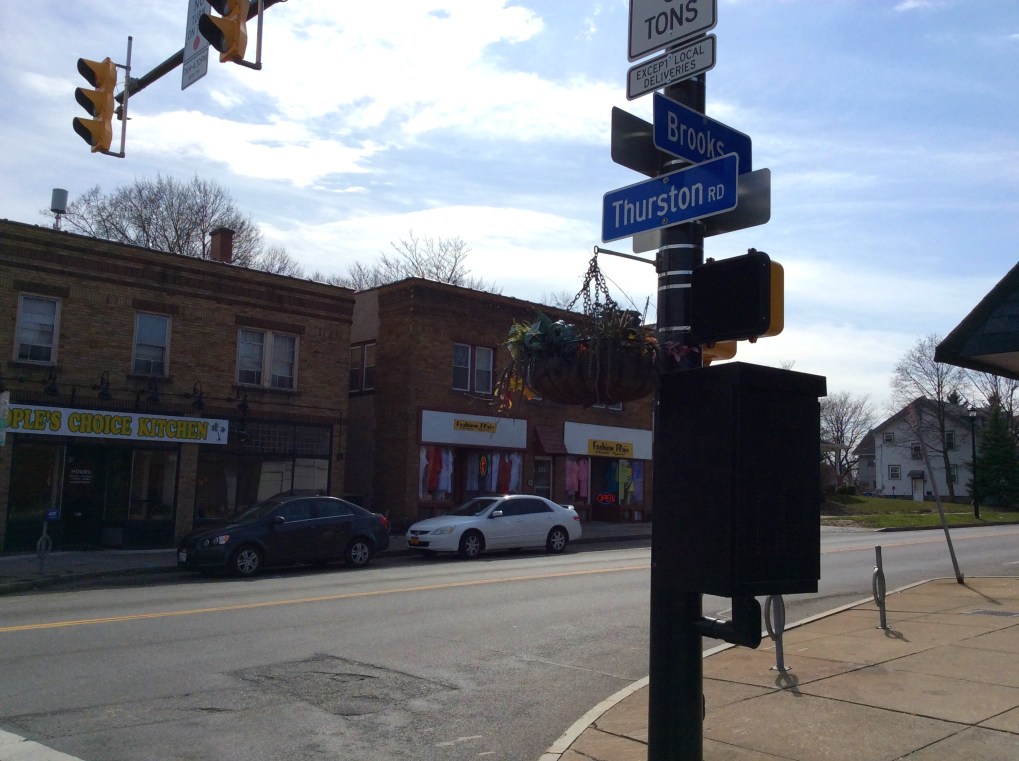
Brooks Ave and Thurston Rd, near Anthony farm site in Rochester NY
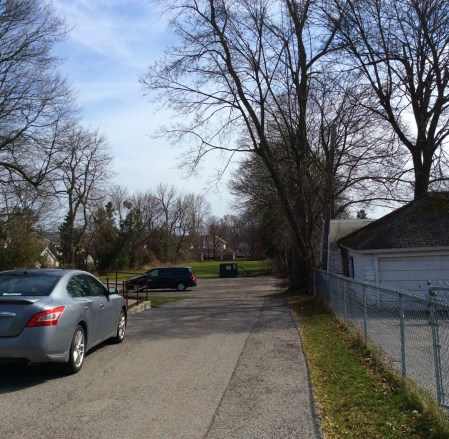
Brooks Ave and Thurston Rd near Anthony farm site in Rochester NY

Looking down a private road toward the Anthony family lands and farm site, Thurston, Genessee Park and Brooks, Rochester, 2016 A Cools

Looking south from Brooks Ave down a private road, between Thurston Rd and Genessee Park Blvd, toward the Anthony family farm and general direction of the house site

I return to Rochester by continuing east on 20A, then the 390 north, to the easterly outskirts of town near the airport where the Anthony family land and farmhouse used to be. The house stood on a rise not far from Brooks Ave, somewhere between Genessee Park Blvd and Thurston Rd, on an elevation south of Brooks. Susan B. Anthony lived here until 1862; she moved into the house I visited on my second day in Rochester in 1865, with her sister Mary and her mother Lucy.

Douglass was a regular visitor at this house around 1850, where friends and fellow reformers would gather. Anthony ran the farm at this time while her father was away working in Syracuse, and took care of her ailing mother; the next year, she would meet Stanton and they would begin their lifetime partnership as women’s rights activists, which took her away from home for long periods. Daniel and Lucy Anthony, Susan’s parents, were progressive Hicksite Quakers like Douglass’ close friends Amy and Isaac Post, and like the Posts, were proponents of women’s rights and ardent abolitionists. Their farmhouse here, then in the town of Gates, and Susan’s cousin Asa’s house not far away at 446 Post Ave (I don’t make it to this house today), were stops on the Underground Railroad. Douglass told of one occasion around this time of a warning that they received about a slave catcher pursuing three escapees, one of whom was sheltering at the Douglasses’, one at Asa Anthony’s farm, and another in Farmington 18 miles away. The Rochester abolitionists helped spirit the men away to freedom in Canada via Lake Ontario, as they helped so many others escaping through here.
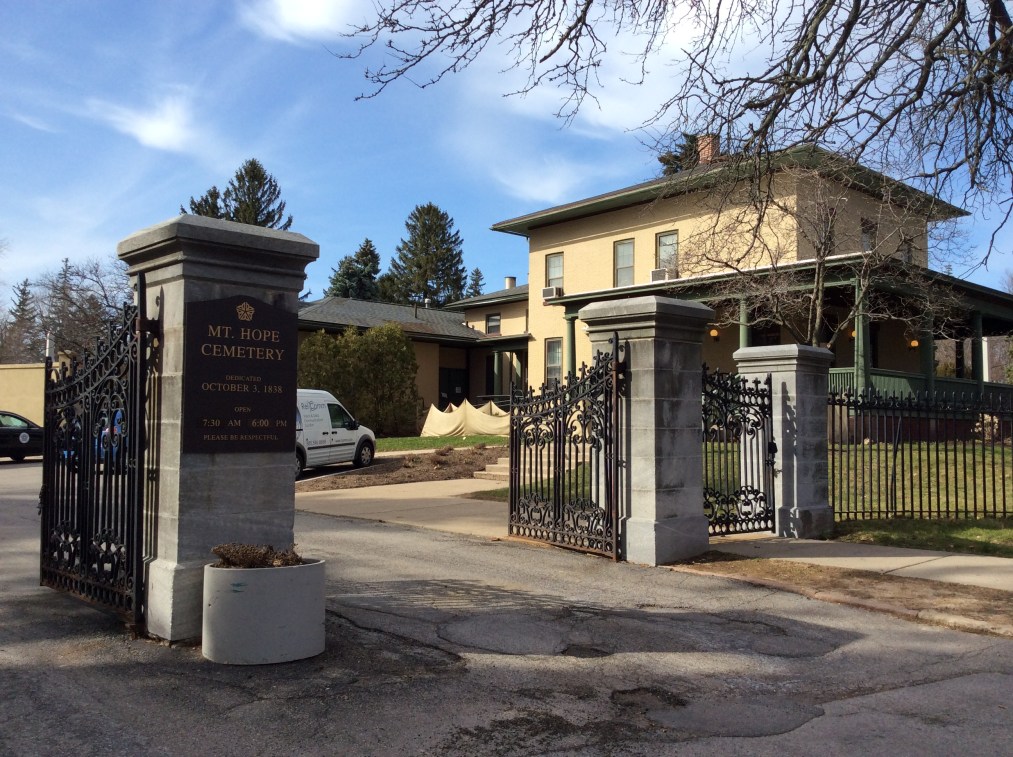
Mt Hope Cemetery Gate, photo 2016 by Amy Cools

Entrance to Mt. Hope Cemetery

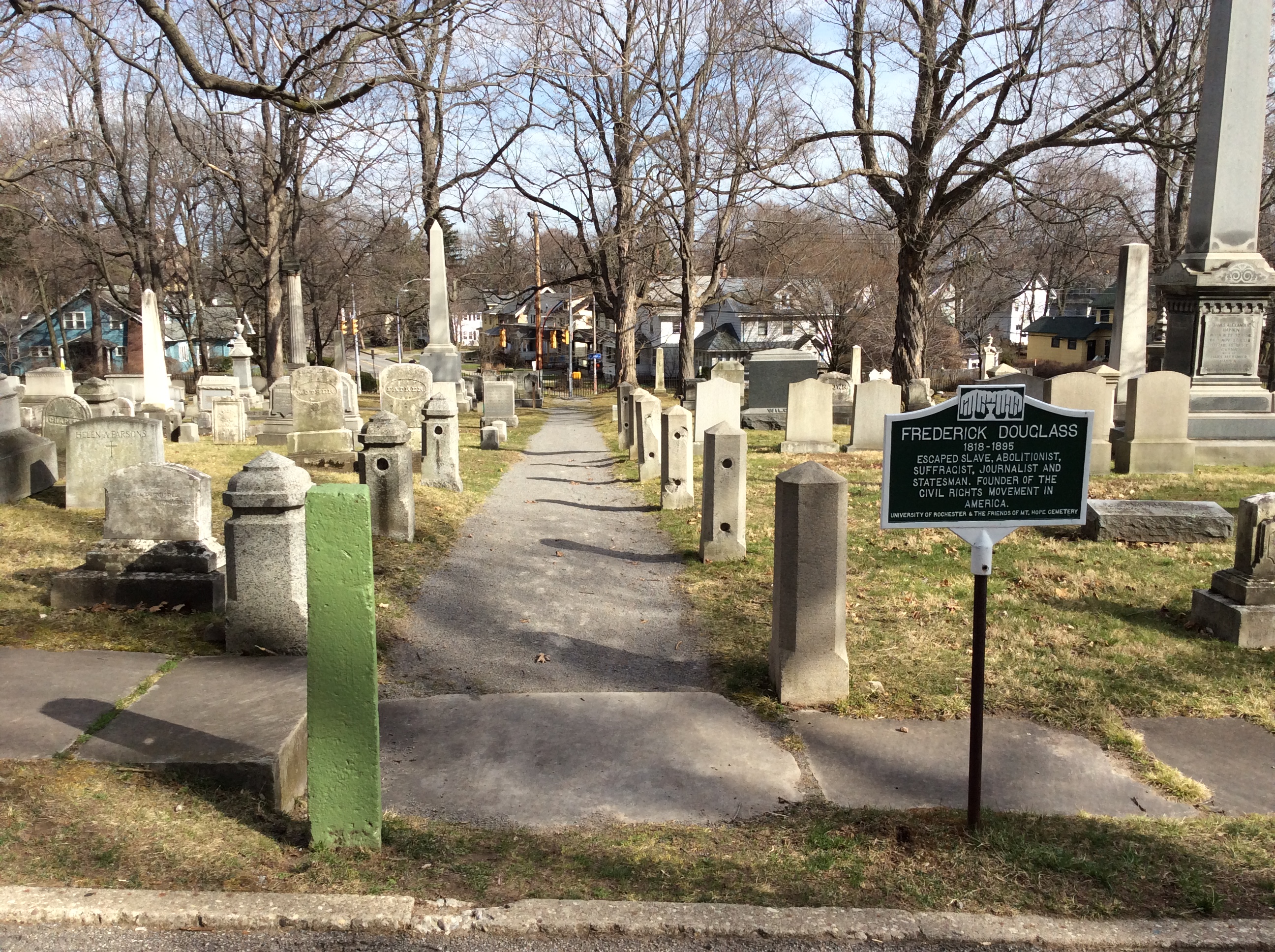
My last destination of the day, and the last Douglass site I’ll visit in Rochester, is Mt Hope Cemetery just a couple miles west of here off Mt Hope Avenue. It’s lovely, warm, gently breezy, and just a little cloudy when I arrive at the cemetery. I park in front of the administrative offices at the Mt Hope entrance, which is the southernmost entrance on Mt Hope Ave north of Elmwood Ave, between Stewart and Langslow Streets. Heading east into the cemetery, I take the first little road to the right, called Fifth Ave, passing two crossroads and a pond to the left. I come to a little gravel path on my right marked with a historical marker, and take that path to a tall obelisk gravestone on the left (the kind that looks like the Washington Monument). There’s another little gravel path at that corner that turns left, helpfully marked with a pointer sign. The path ends at the Douglass family plot. When I arrive, I’m alone, and it’s peaceful.

Historical marker en route to gravesites of Frederick Douglass and his family at Mt Hope Cemetery in Rochester NY

Historical marker en route to gravesites of Frederick Douglass and his family at Mt Hope Cemetery in Rochester NY

Douglass’ own large central gravestone is prominently marked with brass letters and two rosettes that have weathered to a bright pale green. The taller stone monument behind reads, on the front: ‘To the Memory of Frederick Douglass, 1817 – 1895, erected by his sons Lewis H. and Charles R….’. These are the two sons that fought with the Union Army which their father was so instrumental in integrating. Douglass’ other son, Frederick Jr, had died about two and a half years before Douglass, on August 4th, 1892. On the left side, the monument reads: ‘Anna, Wife of Frederick Douglass, Died 1882’ and on the right, ‘Annie Douglass, Daughter, Died 1860′. She died nine days before her 11th birthday, while Douglass was in Glasgow following his flight from possible arrest in connection with the John Brown case. Douglass hurriedly returned, and he and Anna grieved together.

The return of Anna’s remains to Rochester to be buried next to Annie and her husband is a fascinating story which is generally left out or told incorrectly in Douglass biographies; to hear the story, please listen to my interview with Douglass scholar Leigh Fought.

Gravestones and burial monument of Frederick and Anna, Douglass and their children, and of second wife Helen Pitts Douglass

Gravestones and burial monument of Frederick and Anna, Douglass and their children, and of second wife Helen Pitts Douglass

His second wife, Helen Pitts Douglass, is buried to his left. On her stone, under her name, is engraved ‘…Widow of orator and statesman Frederick Douglass. Through her vision his greatness was memorialized at Cedar Hill in Washington D.C., Mrs. Douglass was the founder of the Frederick Douglass Historical and Memorial Association.’ For the next eight years of her life, following Douglass’ death on February 20th of 1895, she made it her life’s work to preserve and promote his memory and those of his family.

I linger here awhile, to reflect and to rest, I don’t know for how long. After some time, I rouse myself: the cemetery is only open for a little while longer and I have a little more seeking to do.

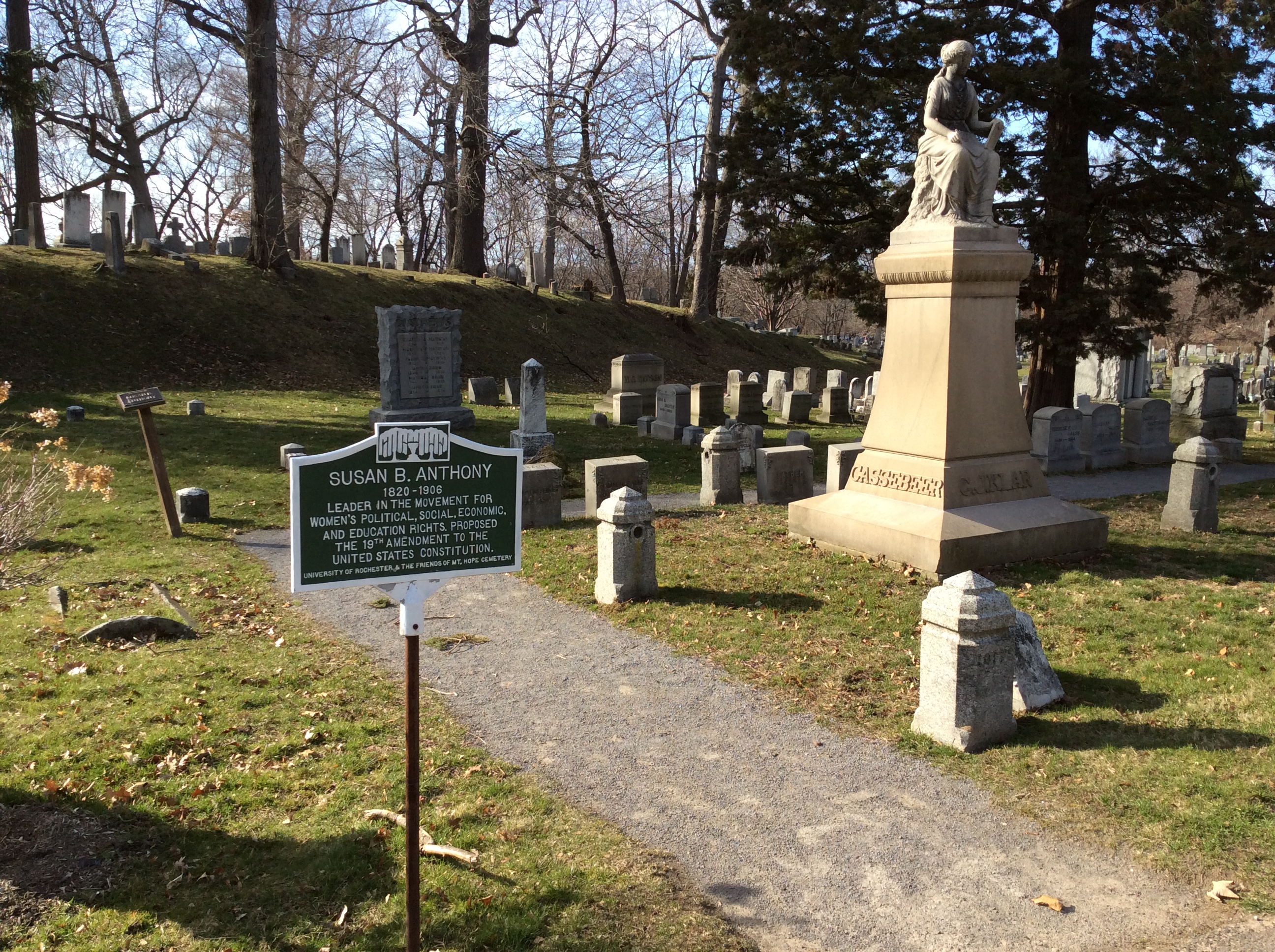
Historical marker en route to Susan B. Anthony's gravesite

Historical marker en route to Susan B. Anthony’s gravesite

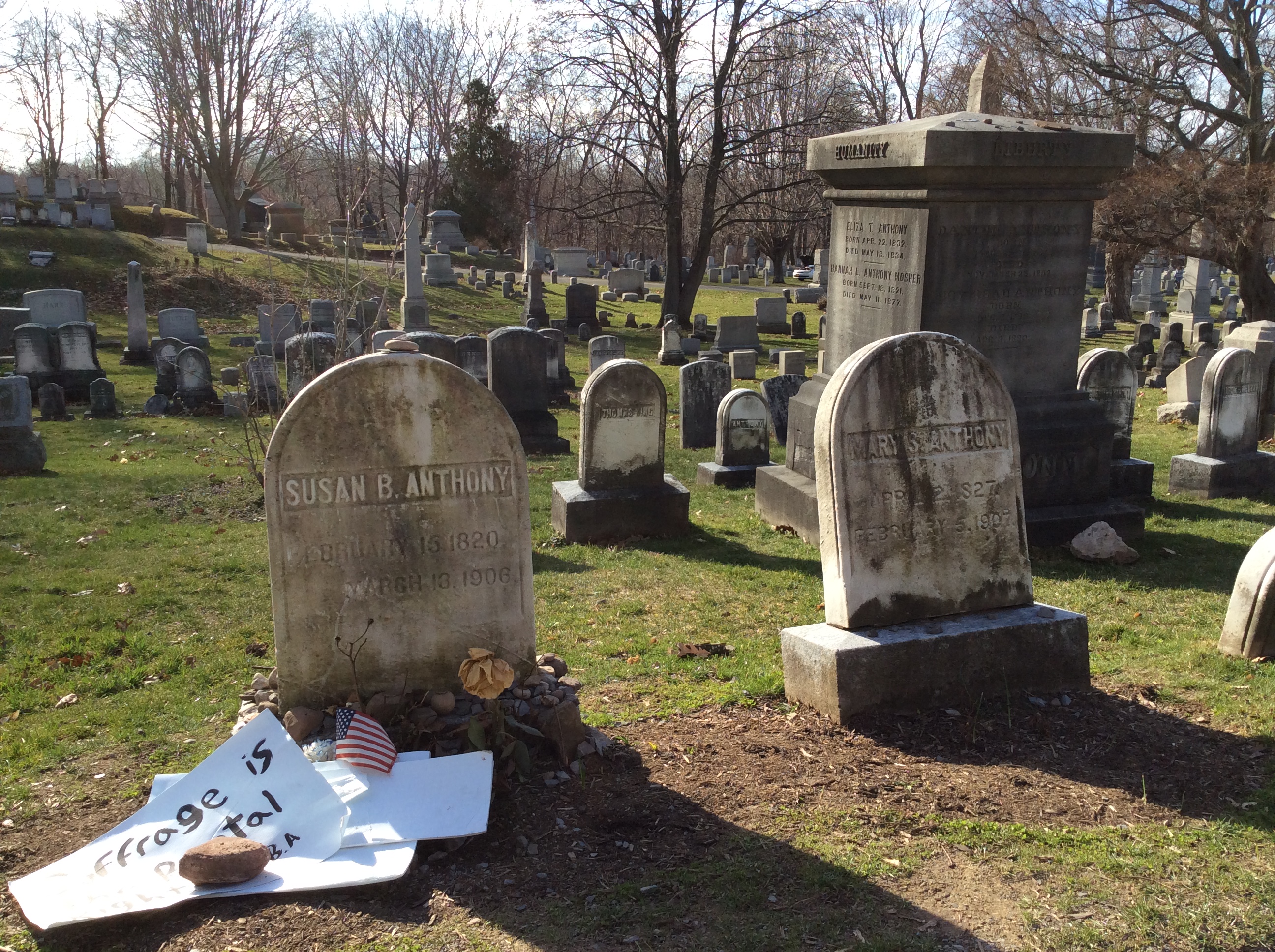
Susan B. and Mary S. Anthony headstones, with Daniel and Lucy Anthony family monument behind and to the right

Susan B. and Mary S. Anthony headstones, with Daniel and Lucy Anthony family monument behind and to the right

His friend Susan B Anthony is also buried here. I return to the main path and wind my way up north and to the left. The path continues to curve around, going up to a rise above a chapel-like structure. A little ways down, just past a tall stone monument on the right crowned with a figure of a young woman holding two tablets propped on her lap, there’s another historical marker and a pointer sign directing you down a gravel path that soon turns right. I follow it where it leads back down parallel to the way I came. A little ways before you see another tall obelisk to the left, there’s a modest little white gravestone on the same side of the path with a rounded top. It’s engraved, simply, ‘Susan B. Anthony, February 15, 1820, March 13, 1906’. Next to her stone is that of her sister Mary, who lived with her in the Rochester house I visited yesterday on Madison St. She was a teacher and in many other ways a wonderful and fascinating woman in her own right. For example, she insisted on equal pay to accept a school principle’s job and stood her ground, refusing to take the job until they agreed, making her the first female teacher to receive a salary equal to a man’s in the state of New York. The Anthony sisters are buried next to their parents, Daniel and Lucy, who instilled the Quaker belief in their daughters that women and men are equal in moral worth and insisted on their receiving the full education generally only given to men. Many other members of the Anthony family are buried here too.

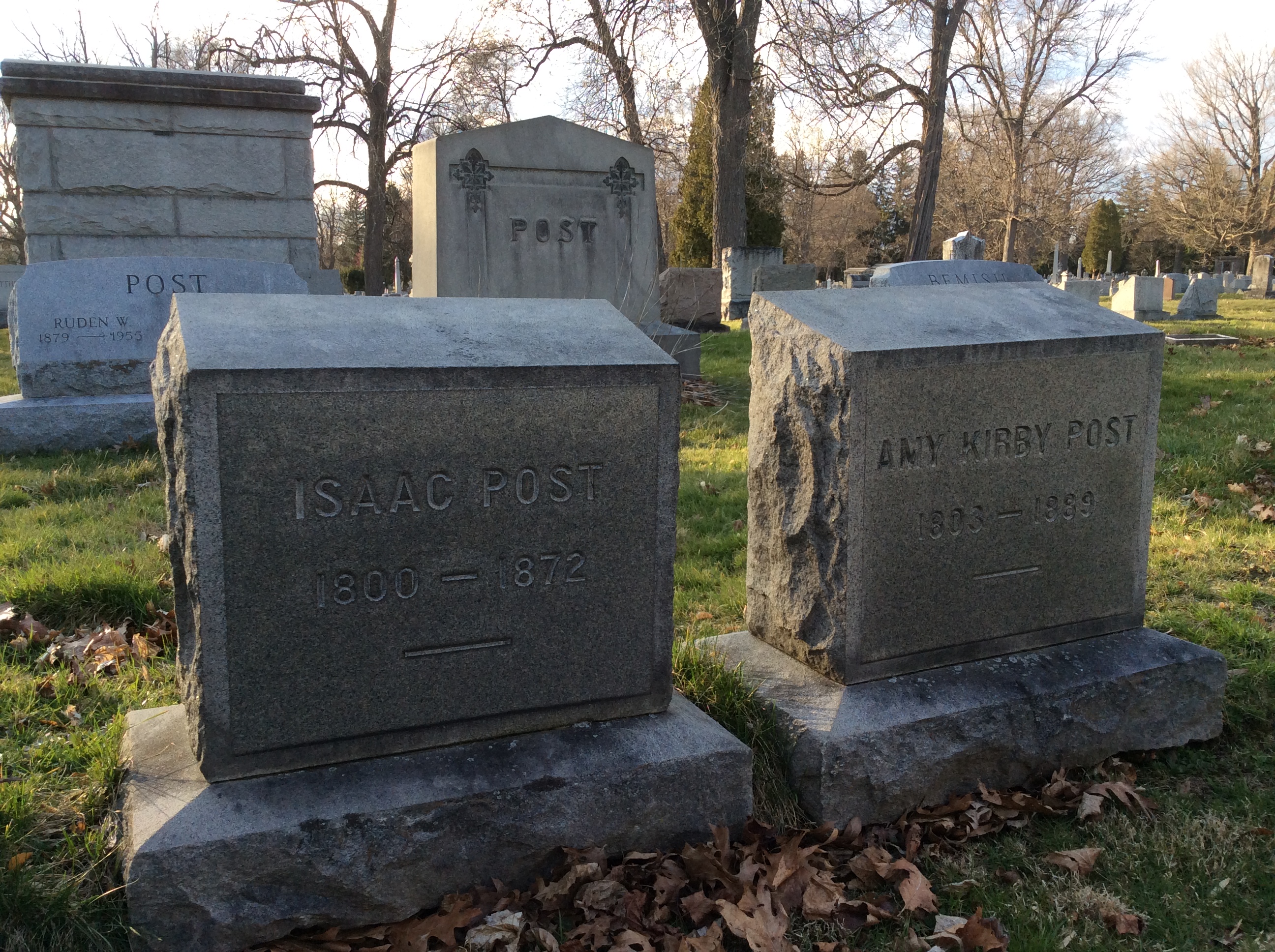
 Amy and Isaac Post headstones at Mt Hope Cemetery, Rochester NY
Amy and Isaac Post headstones at Mt Hope Cemetery, Rochester NY

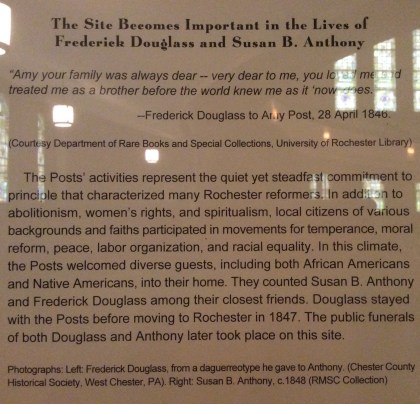
Amy and Isaac Post sign at site of their house, now the Hochstein School, 2016 A Cools

Amy and Isaac Post sign at site of their house, which is now occupied by the Hochstein School, Rochester NY

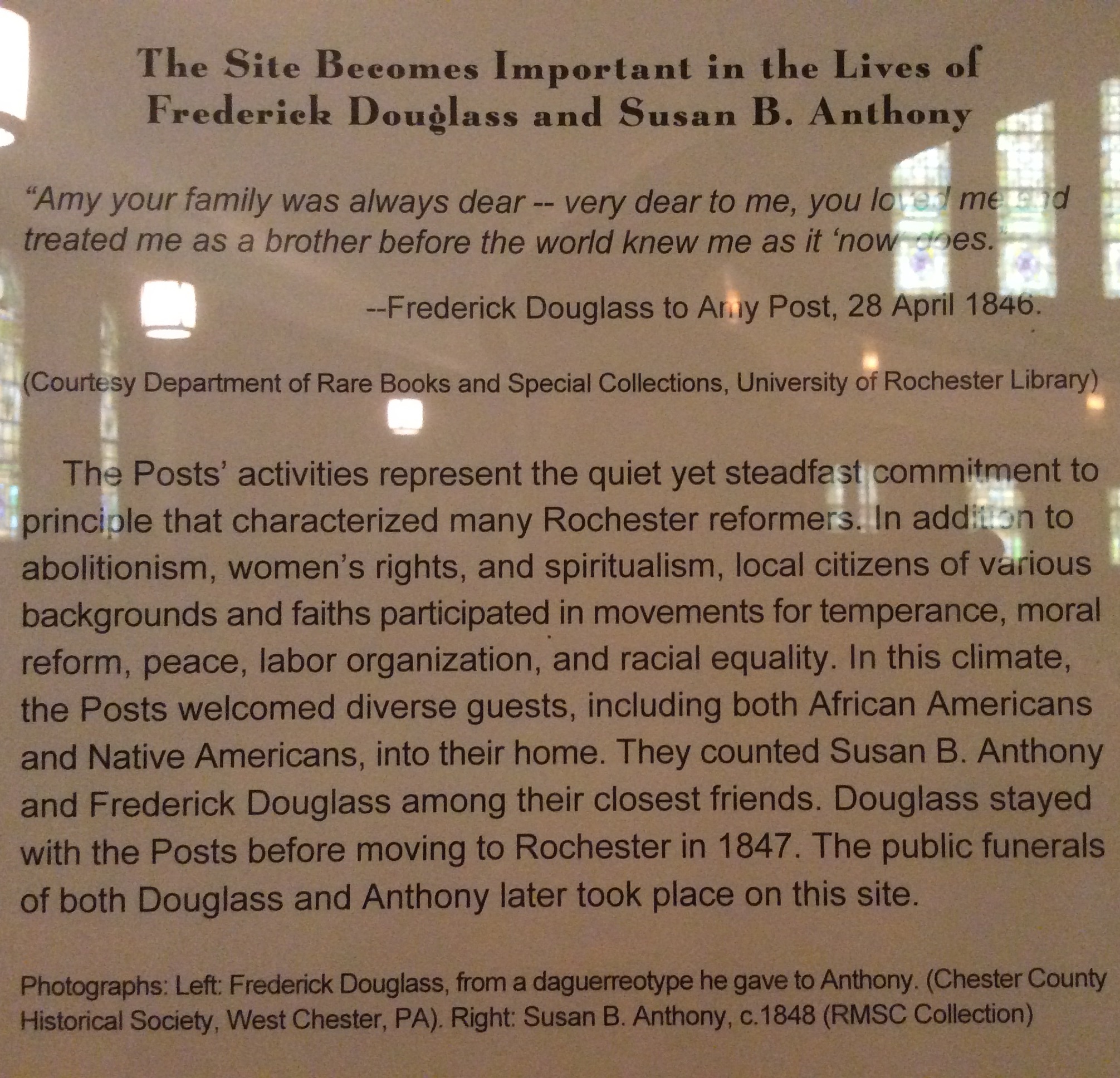
While walking back toward the front gate in hopes of finding one last burial place, the security officer driving by tells me it’s just past six, and the cemetery is closed. The time had flown so fast! He’s kind and lets me stay a little longer, since there’s a car broken down in the cemetery waiting for a tow anyway and he has to wait to close up. So I hurry on. I return to the split road entrance to the cemetery from the parking lot at the Mt. Hope entrance, and this time, take it left for just a bit, then take the first right turn onto Evergreen. I pass Second Ave and go about halfway down the next plot to my left. I wander a little and get a little lost, but I’ll skip that part and tell you where I find the easy route: looking to the left from (south of) Evergreen into area 2, you can see a very tall pillar topped with a robed figure pointing to the sky, and just beyond that, what looks like a little stone house. Head straight between the two into the rows of stones, and pretty much directly east of the little stone house, you’ll find a taller, older stone marked just ‘Post’ and one row to the east of that, two stones side by side reading ‘Isaac Post, 1800-1872’ and ‘Amy Kirby Post, 1803-1889’. As you may remember from my account of my first day in Rochester, Douglass and progressive reformers Amy and Isaac Post were very close friends, from the mid 1840’s until their deaths. I was touched the other day when I read this quote from a letter Douglass wrote in April  of 1846, posted on the wall of the Hochstein school at the former site of the Posts’ home:  ‘Amy your family was always dear — very dear to me, you loved me and treated me as a brother before the world knew me as it now does’. It is a rare and precious thing to find such friends.

The cemetery is closed, and I must leave. But my journey is not over…

*Listen to the podcast version here or on Google Play, or subscribe on iTunes

~ Ordinary Philosophy and its Traveling Philosophy / History of Ideas series is a labor of love and ad-free, supported by patrons and readers like you. Please offer your support today!

~~~~~~~~~~~~~~~~~~~~~~~~~~~~~~~~

Sources and inspiration:

Austin Steward‘. Find a Grave website

Douglass, Frederick. Autobiographies (includes Narrative…, My Bondage and My Freedom, and Life and Times). With notes by Henry Louis Gates, Jr. Volume compilation by Literary Classics of the United States. New York: Penguin Books, 1994.

Douglass, Frederick. ‘Two Speeches, one on the West India Emancipation, the other on the Dred Scott Decision.‘, published in 1857 by C.P. Dewey, Rochester NY, digitized by the Central Library of Rochester

DuBois, Ellen. ‘Reconstruction and the Battle for Woman Suffrage‘. The Gilder Lehrman Institute of American History website

Elizabeth Cady Stanton‘. In Wikipedia, The Free Encyclopedia.

Fought, Leigh. ‘Honeoye, Part 2‘. Frederick Douglass’s Women: in Progress blog

The Frederick Douglass Encyclopedia, ed Julius E. Thompson, James L. Conyers Jr., Nancy J. Dawson. Greenwood Press.

Frederick Douglass Project Writings: West India Emancipation.’ From the University of Rochester Frederick Douglass Project, River Campus Libraries website

Gerrit Smith‘. In Wikipedia, The Free Encyclopedia.

Heritage Documentation Programs: Wesleyan Chapel‘. National Park Service website

Jaschik, Sue. ‘Lucy Read Anthony and Daniel Anthony‘. Epitaph, by the Friends of the Mount Hope Cemetery, Vol 26 No. 1, Winter 2006, found the University of Rochester website

Lewis, David. ‘Steward, Austin (1793-1869)‘. Blackpast.org

Morry, Emily. ‘Susan B. Anthony’s Rural Roots‘. Local History Rocs! blog by Rochester’s Public Library Local History and Genealogy Division

Muller, John. ‘Death Knocked on the Door of the Frederick Douglass Family Too Often…’ Frederick Douglass in Washington, D.C.: The Lion of Anacostia blog

Pierce, Preston E. ‘Main Street Guided History Walk: Special Walking Tour of Lower North Main Street Cannadaigua.’ Ontario County website

Pitts Mansion – Honeoye, NY‘. Waymarking.com

Schmitt, Victoria Sandwick. ‘Rochester’s Frederick Douglass Part One‘ and ‘Rochester’s Frederick Douglass Part Two‘. Rochester History journal, Vol. LXVII Summer 2005 No. 3 and Vol. LXVII Fall 2005 No. 4. McFeely, William. Frederick Douglass. New York: W.W. Norton & Company, 1991.

Seneca Falls Convention‘. In The Encyclopedia of New York State (from selected entries published online)

Truth, Sojourner. ‘Ain’t I A Woman?’ Delivered 1851, Women’s Rights Convention, Akron, Ohio.  National Park Service website

Wellman, Judith. ‘The Seneca Falls Convention: Setting the National Stage for Women’s Suffrage.’ The Gilder Lehrman Institute of American History website

The West Indian Colonies and Emancipation‘. From the Living Heritage: Parliament and Empire series, at Parliament.uk

The Trial of Susan B. Anthony: A Short Narrative‘. History of the Federal Judiciary, Federal Judicial Center website

Women’s Rights National Historical Park website, National Park Service

O.P. Recommends: Philosopher, an Inclusive Forum for Thought

Meena Krishnamurthy, image credit Meena KrishnamurthyI just discovered this wonderful blog called Philosopher, dedicated to women philosophers (‘philosop-hers’) and which ‘for the next six months will feature posts by philosophers of color. After this time, the blog will feature work by philosophers from underrepresented groups in philosophy, more generally.’
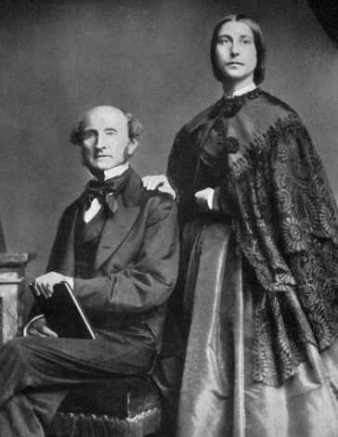
I have been inspired, edified, and intrigued by what I’ve read here thus far, and I trust you will be too. Thanks, Meena Krishnamurthy, for creating such an excellent forum!

You can learn more about Ms. Krishnamurthy, Assistant Professor of Philosophy at the University of Michigan, at her personal website, https://meenakrishnamurthy.net/

Ordinary Philosophy and its Traveling Philosophy / History of Ideas series is a labor of love and is ad-free, supported by patrons and readers like you. Please offer your support today!

Happy Birthday, John Stuart Mill!

John Stuart Mill and Helen Taylor, daughter of Harriet Taylor, collaborated with Mill after her mother's death, public domain via Wikimedia CommonsOne of my very favorite ideas in political philosophy is John Stuart Mill’s ‘marketplace of ideas’ (though he didn’t phrase it this way himself): that the free, open, and vigorous exchange of ideas in the public square does more to further human knowledge than anything else. But not only has his comprehensive and to my mind, absolutely correct defense of free speech in his great work On Liberty had an immense and beneficial influence on the history and theory of human rights, he was admirable in myriad other ways as well:
‘Mill believed in complete equality between the sexes, not just women’s colleges and, someday, female suffrage but absolute parity; he believed in equal process for all, the end of slavery, votes for the working classes, and the right to birth control (he was arrested at seventeen for helping poor people obtain contraception), and in the common intelligence of all the races of mankind… all this along with an intelligent acceptance of the free market as an engine of prosperity and a desire to see its excesses and inequalities curbed…. Mill was an enemy of religious bigotry and superstition, and a friend of toleration and free thought, without overdoing either…’ ~ Adam Gopnik, from his article and book review ‘Right Again‘, 2008

‘The son of James Mill, a friend and follower of Jeremy Bentham, John Stuart Mill (1806-1873) was subjected to a rigorous education at home: he mastered English and the classical languages as a child, studied logic and philosophy extensively, read the law with John Austin, and then embarked on a thirty-five career with the British East India Company at the age of seventeen. (He also suffered through a severe bout of depression before turning twenty-one.) Despite such a rich background, Mill credited the bulk of his intellectual and personal development to his long and intimate association with Harriet Hardy Taylor. They were devoted friends for two decades before the death of her husband made it possible for them to marry in 1852; she died in Avignon six years later. Mill continued to write and to participate in political affairs, serving one term in Parliament (1865-68). The best source of information about Mill’s life is his own Autobiography (1873). Mill

Philosophically, Mill was a radical empiricist who held that all human knowledge, including even mathematics and logic, is derived by generalization from sensory experience. In A System of Logic, Ratiocinative and Inductive (1843) he explained in great detail the canons for reasoning inductively to conclusions about the causal connections exhibited in the natural world.

Mill’s moral philosophy was a modified version of the utilitarian theory he had learned from his father and Bentham. In the polemical Utilitarianism (1861) Mill developed a systematic statement of utilitarian ethical theory. He modified and defended the general principle that right actions are those that tend to produce the greatest happiness of the greatest number of people, being careful to include a distinction in the quality of the pleasures that constitute happiness. There Mill also attempted a proof of the principle of utility, explained its enforcement, and discussed its relation to a principle of justice. Mill

Mill’s greatest contribution to political theory occurs in On Liberty (1859), where he defended the broadest possible freedom of thought and expression and argued that the state can justify interference with the conduct of individual citizens only when it is clear that doing so will prevent a greater harm to others. Mill also addressed matters of social concern in Principles of Political Economy (1848) and Considerations on Representative Government (1861) and eloquently supported the cause of women’s rights in The Subjection of Women (1869).’

~ from The Philosophy Pages by Garth Kemerling, licensed under a Creative Commons Attribution-Share Alike 3.0 Unported License

Read more about John Stuart Mill:

Anschutz, Richard Paul. ‘John Stuart Mill: British Philosopher and Economist‘. In Encyclopædia Britannica.

Gopnik, Adam. ‘Right Again: The Passions of John Stuart Mill‘. New Yorker magazine website, Oct 6 2008

Heydt, Colin. ‘John Stuart Mill (1806—1873)‘, Internet Encyclopedia of Philosophy

Mill, John Stuart. On Liberty, from Project Gutenberg

Wilson, Fred. “John Stuart Mill“, The Stanford Encyclopedia of Philosophy

~ Ordinary Philosophy and its Traveling Philosophy / History of Ideas series is a labor of love and ad-free, entirely supported by patrons and readers like you. Please offer your support today!

Happy Birthday, Lady Mary Wortley Montagu!

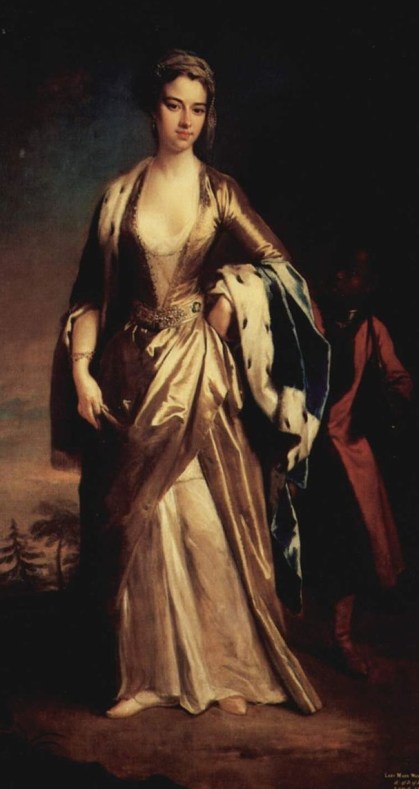
Mary Wortley Montagu by Jonathan Richardson the Younger (cropped), public domain via Wikimedia CommonsI just discovered this fascinating woman this morning, on the occasion of her birthday.

According to Encyclopedia Britannica, Lady Mary Wortley Montagu was a ‘prolific letter writer in almost every epistolary style; she was also a distinguished minor poet, always competent, sometimes glittering and genuinely eloquent. She is further remembered as an essayist, feminist, traveler, and eccentric.’

Here are three excellent features on Montagu:

Lady Mary Wortley Montagu“. Encyclopædia Britannica.

Lady Mary Wortley Montagu, 1689–1762“. The Poetry Foundation.

Secor, A., 1999. ‘Orientalism, gender and class in Lady Mary Wortley Montagu’s Turkish Embassy Letters: to persons of distinction, men of letters and c’. Cultural Geographies (formerly Ecumene) Volume 6, Issue 4 pp375-398. Arnold Publishers.

~ Ordinary Philosophy and its Traveling Philosophy / History of Ideas series is a labor of love and ad-free, entirely supported by patrons and readers like you. Please offer your support today!