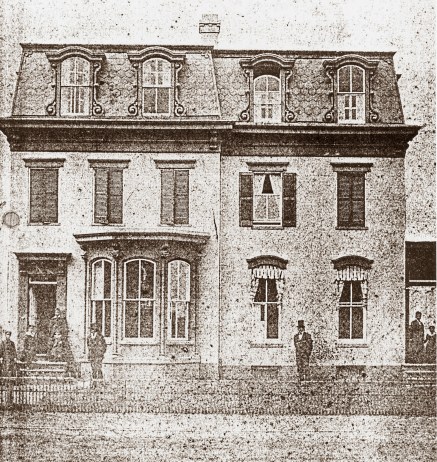
Frederick Douglass standing in front of his home at 320 A Street NE, Washington, DC, in 1876. Public domain via NPS
Thirteenth Day, Friday, April 1st, continued
I leave the approximate site of Helen Pitts-Douglass’ onetime home at 913 E St NE, and head southwest to 316-18 A Street NE.
In 1872, Douglass moved his family here to Washington, DC. Since his beloved farm home on the hill in Rochester had burned to the ground on June 2, 1872, probably by arson, Douglass was bitter and in the mood to shake the dust of that city from his feet. He had already been considering a permanent move to Washington since his work with the New National Era newspaper (more on that to come), his political work, and his efforts to obtain a good government appointment often took him there, sometimes for lengthy stays. In fact, he was in Washington when he received a telegram notifying him of the fire.
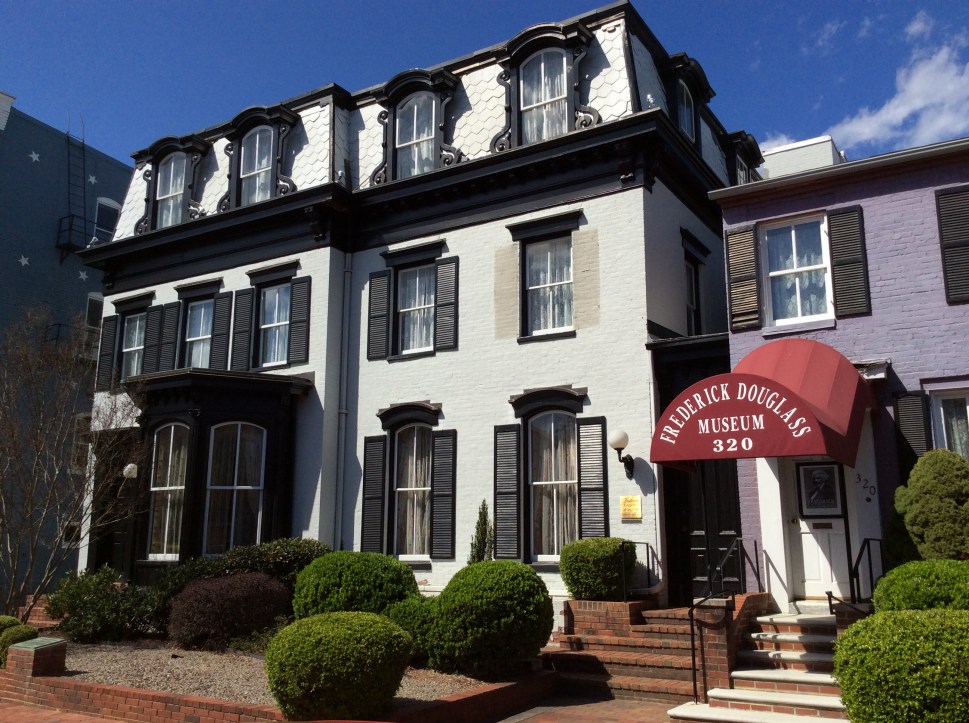
Frederick Douglass house at 316-318 A St and the museum dedicated to him next door, in Washington, D.C.
So Douglass brought his family here, and after a stay in rented rooms, the Douglass family moved into this pretty Queen Anne brick house, likely in late 1872. I haven’t yet found a more exact timeline for where the Douglasses lived and when during their first months in Washington: sources vary on this. The plaque I find here at the house, placed in 1966, says that Douglass lived here from 1871 to 1877, though many other sources say 1872 and 1878, respectively. Perhaps Douglass had purchased this already as a second or investment home in 1871. In any case, the Douglass family lived here for about six years until they moved across the Anacostia River to Cedar Hill in 1878, though Douglass retained ownership of this house. I find an entry in John Muller’s Lion of Anacostia blog showing that Douglass applied for a permit to build onto this property in 1879, and his son Charles was living here when he died in 1920.
The restored house and the adjacent building at 320 A St now make up The Frederick Douglass Museum and Caring Hall of Fame, which is available for tours by appointment.

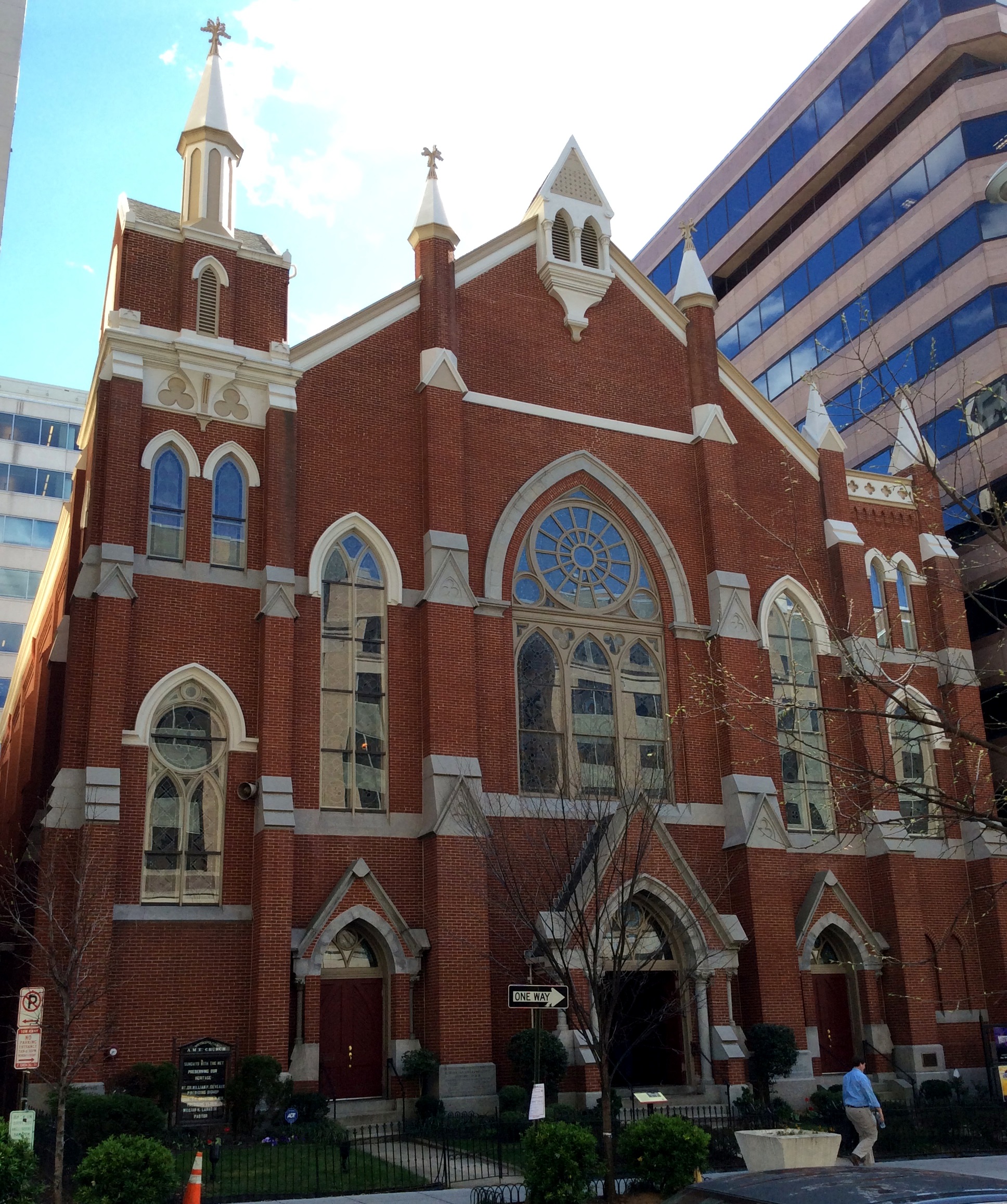
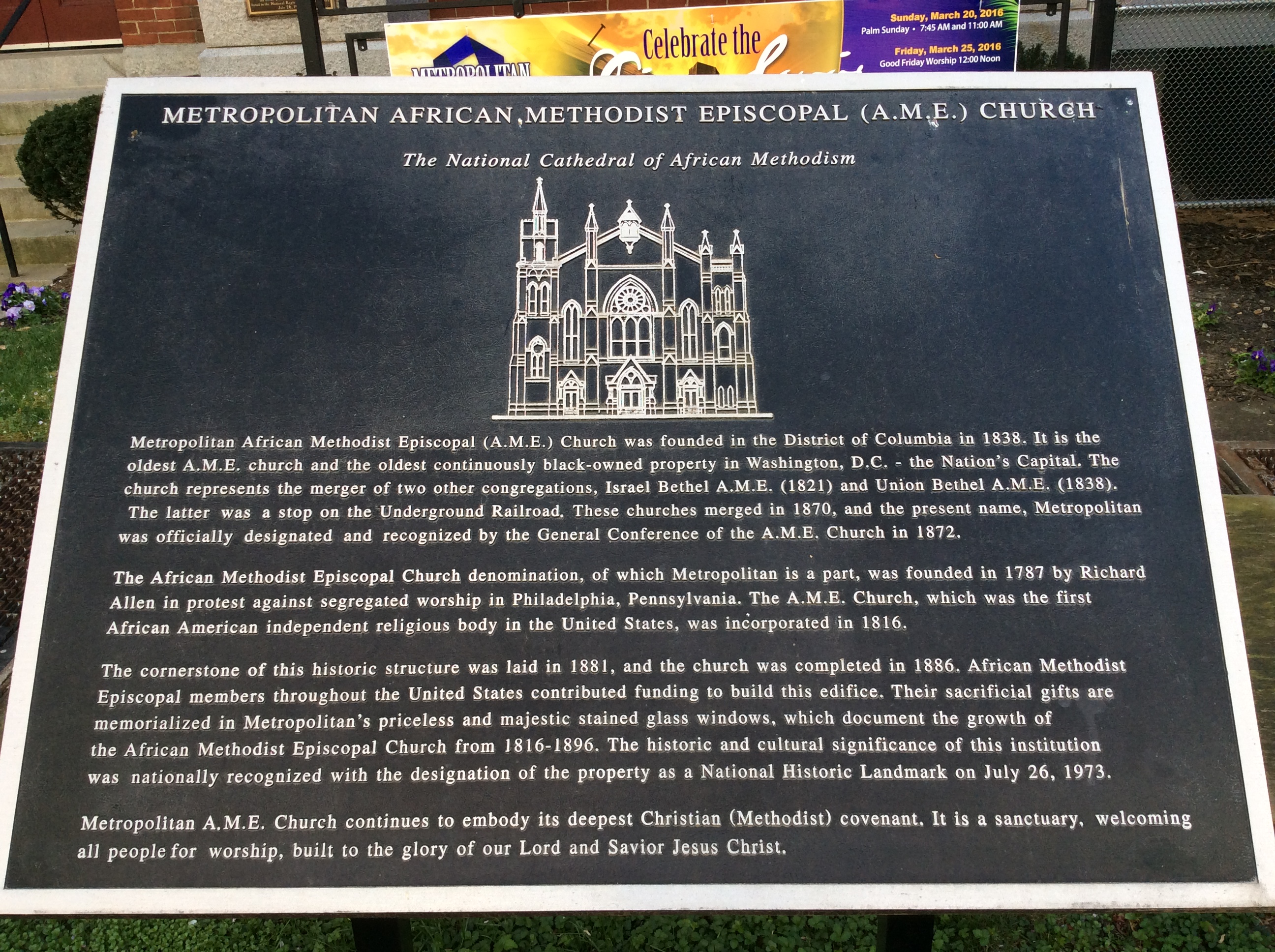
The Metropolitan A.M.E. Church at 1518 M St NW, Washington D.C.
Then I head northwest across town, a cross-wise route via Massachusetts Ave to the Metropolitan A.M.E. Church at 1518 M St NW. This historic church has many associations with Douglass, but I’ll focus on three main ones. In 1889, the Bethel Literary Society held a surprise 71st birthday celebration for Douglass here. Actually, the party would have been held at the church hall next door, since that’s where the Society met, where the ugly office building now stands to the right of the church. He was called upon to speak, and speak he did, of course, that was his specialty. The speech was written down by hand then typed; it’s at the Library of Congress today.
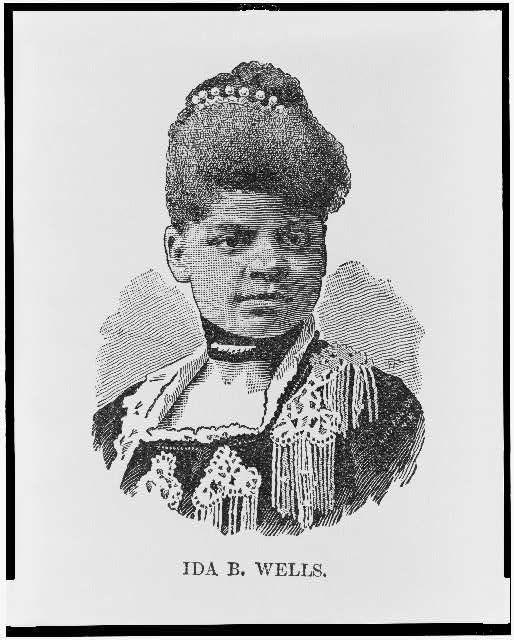
Douglass delivered another speech here five years later on January 9th, 1894. It was one of his greatest, called ‘The Lessons of the Hour’. In it, he speaks out against the lynching which had become rampant in the South. As you may remember from my New York account, Douglass was inspired by Ida B. Wells’ investigative journalism into the true nature and extent of lynching in the South, and had joined her in campaigning against it in 1892. Douglass blamed the accusations of rape used to excuse the lynchings as a new method of slandering black people and inciting white people to hate and fear them, since they could no longer use the excuse of a fear of slave uprising or black domination of white people through the vote. If it was true that black men were actually suddenly going around raping white women right and left, which mind you, hadn’t happened much in the South historically, why resort to mob violence instead of proving these cases in court? Because, Douglass charged, the lynchers and their apologists knew these accusations were lies. 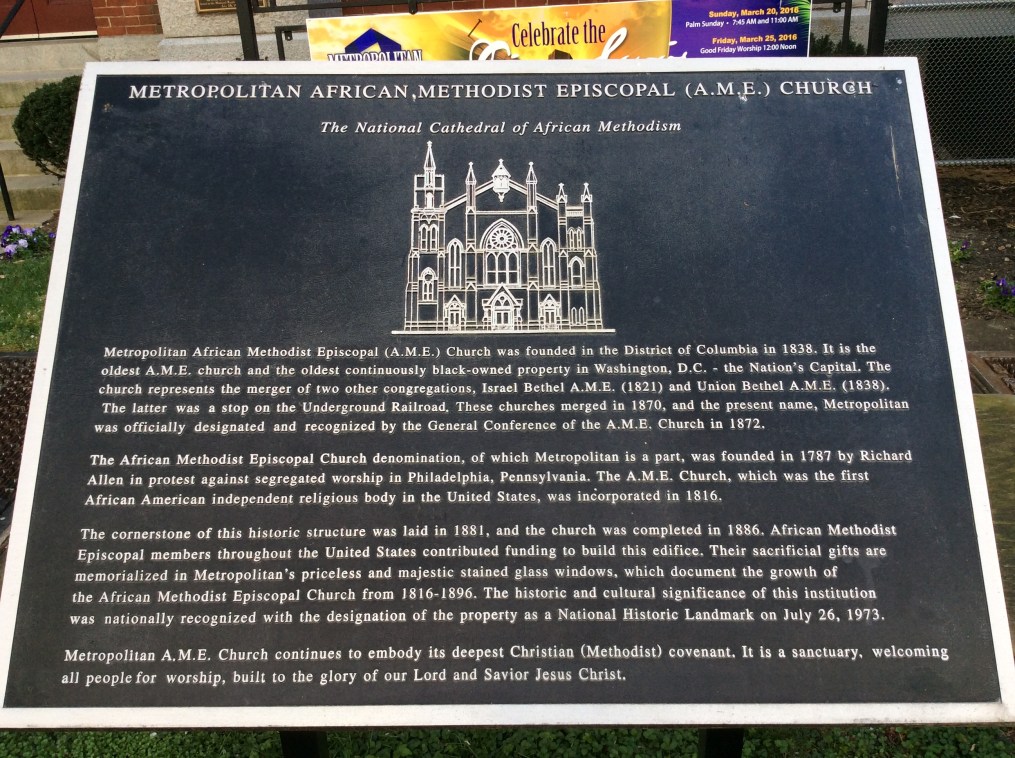
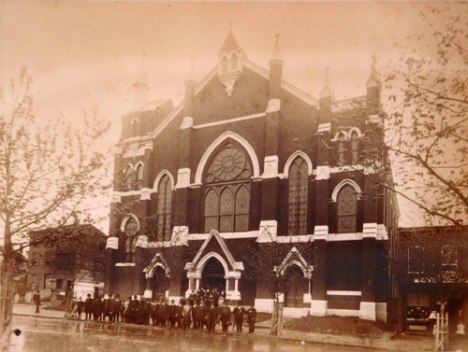
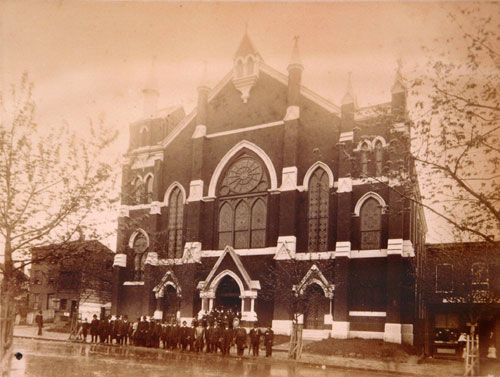
Photo of AME Metropolitan Church by Charles Frederick Douglass, circa 1900, public domain via the National Park Service website.
One year later, Douglass’ funeral service was held here, on Feb 25th 1895, the first of two; the second was held in Rochester, where he was buried. This funeral was attended by huge numbers of mourners and dignitaries, including Susan B. Anthony and Justice John Marshall Harlan, the great Kentucky-born Supreme Court justice who had reversed his views on slavery to become a champion of civil rights. (A factoid of personal interest: Justice Harlan’s family home was in Harrodsburg, a town founded by an ancestor on my mother’s side; she’s a Harrod.) Justice Harlon famously dissented in the Court’s decisions in the Civil Rights Cases of 1883 and Plessy v. Ferguson of 1896, which set back the cause of black rights for over half a century. Douglass, who believed in the perfectibility of humankind, would have welcomed Harlan’s moral evolution warmly, just as he welcomed Lincoln’s.

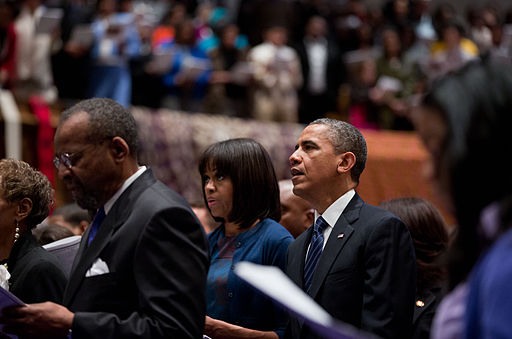
United States President Barack Obama and First Lady Michelle Obama attend a church service at Metropolitan A.M.E. Church in Washington, D.C., on Inauguration Day, Sunday, 20 January 2013, by Peter Souza, public domain via Wikimedia Commons
I don’t enter the church because there’s a man standing outside clearly discouraging drop-in guests, as they appear to be setting up for an event; I have the impression it’s a funeral. I curb my curiosity with some effort, out of respect, though I really, really want to see the inside of this great historic place. President Bill Clinton’s inaugural prayer service was also held here, and Barack and Michelle Obama attended a service here on the occasion of Obama’s inauguration in 2013 as well. What excitement for Douglass, if he were there that day! Well, I’ll make it inside next time I’m in D.C., I hope.
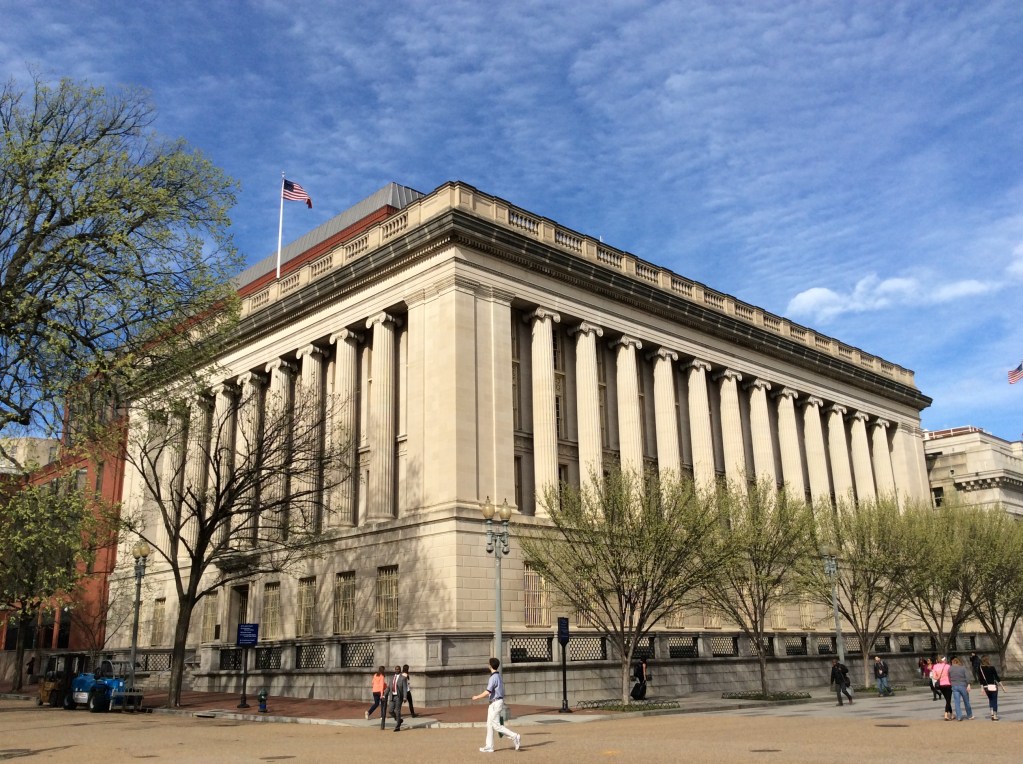
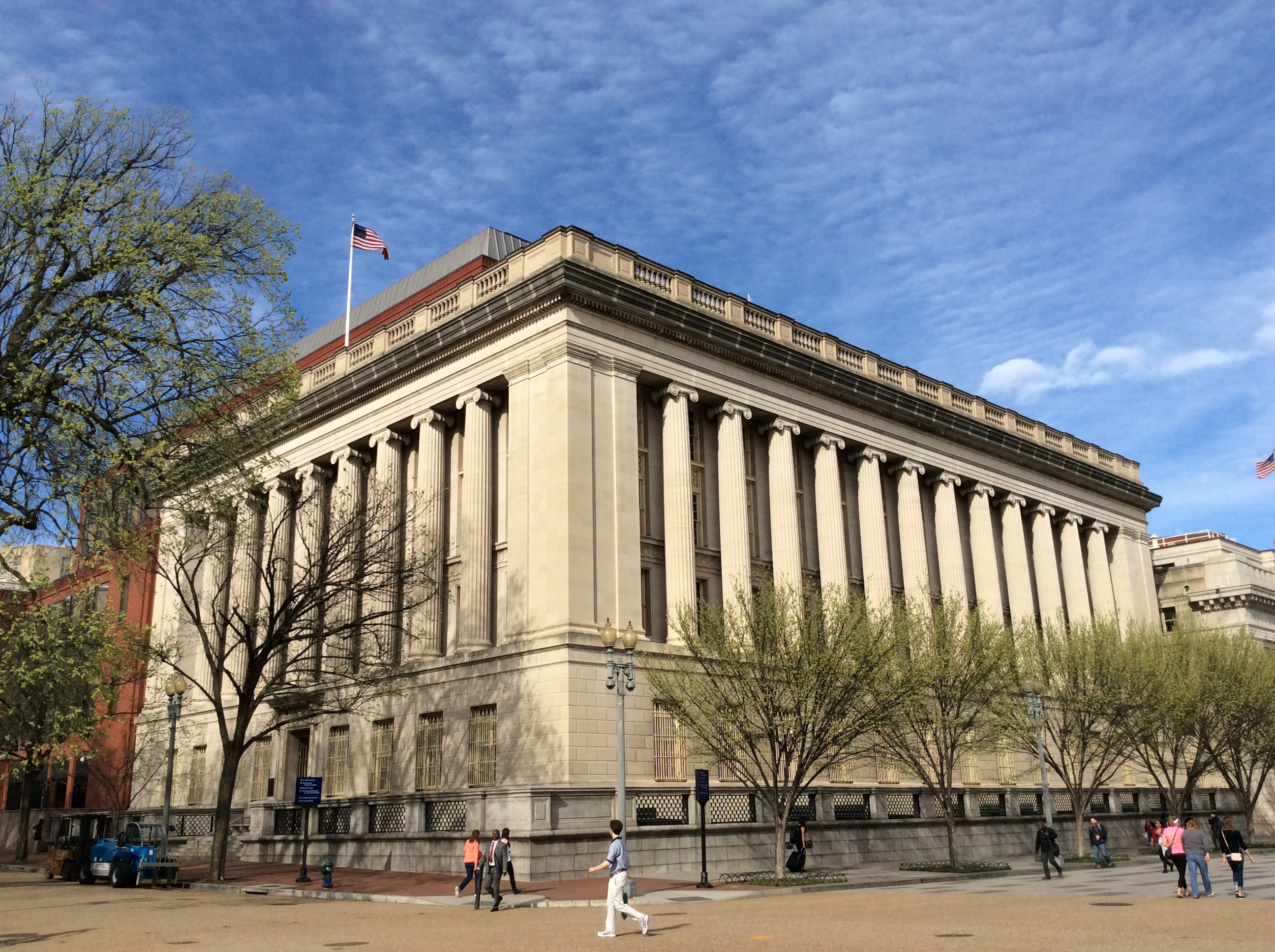
US Treasury Annex renamed the Freedmen’s Bank Building, 1503 Pennsylvania Ave
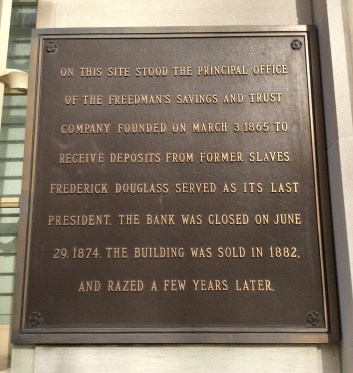
Freedmen’s Bank building plaque, on entrance of the building facing onto Madison Pl.
I find I need to move my car, so I head down the way a bit and find a good parking spot and walk south towards the Mall, to 1503-1505 Pennsylvania Ave NW. My destination is the U.S. Treasury Annex building, a marble edifice with classical columns off the pedestrian-only section of Pennsylvania Ave where it joins the southeast corner of Lafayette Square. It stands across from the north end of the main U.S. Department of the Treasury building to the left (west) of the PNC and Bank of America building.
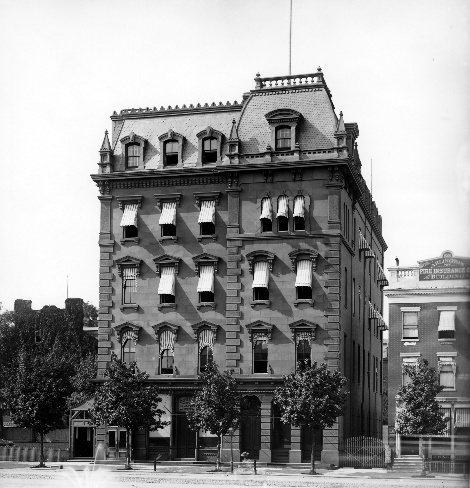
I’m here because the Annex building stands on the site of the original headquarters of the Freedman’s Bank, and has recently been renamed the Freedman’s Bank Building to commemorate that institution’s 150th anniversary. Though the bank was headquartered here in 1867, the first branch had opened over a year earlier in Baltimore, Maryland, the site of which, as you may remember, I sought in Baltimore on my way back from the East Shore of Maryland. The 1874 newspaper article I referenced lists the Baltimore location as a branch office of the main one in Washington, though it still likely predates the main office.
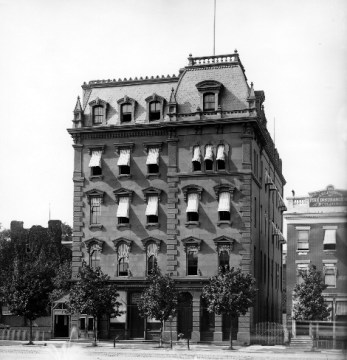
Freedman’s Savings Bank Building in 1890 not long before it was razed, at about 1503 Pennsylvania Ave, Washington DC. In his Life and Times, Douglass wrote of this handsome, exquisitely appointed building devoted to the well-being of his people, ‘The whole thing was beautiful’.
In March 1874, Douglass was named President of the Freedman’s Bank. It was a private bank chartered by the U.S. government with Lincoln’s support, with Congressional oversight. It was supposed to help freed slaves and their families gain economic independence as well. The Bank opened to widespread popular support and for many years did just what it set out to do, and Douglass was a passionate fan of the project, depositing $12,000 of his own money. However, over time, poor management and corruption left it heavily in debt and on the verge of collapse. Douglass was asked to take over the Bank in hopes that his reputation would buttress the Bank’s own. But Douglass found he just couldn’t save it. Not only did he lack expertise as a banker, he learned only after he accepted how deeply the Bank was in trouble. Even a personal loan of $10,000 could do little to contribute to the Bank’s solvency. From this experience, as Douglass told it, he learned a great deal about how corrupt the political system had become as well as the unfortunate selfishness and greed of too many people.
Douglass also learned that he was not particularly adept as a businessman in many ways. He well understood the importance of economic independence for achieving full political and social equality, and succeeded financially due to his hard work, his prudent investments in safer ventures such as real estate, and his prodigious array of skills in other areas. As he admitted, however, he lost a lot of money when he helped found the New National Era paper and could not save the Freedmen’s Bank because, in both ventures, he failed to look into and secure their financial underpinnings himself before putting his own money in. In both cases, he simply took other people’s word for it, for how the venture was doing or likely to do, and his advisors were not disinterested parties. So the New National Era and the Bank failed as his North Star had nearly done before Julia Griffith’s tenure there, through poor financial handling. In business matters at least, Douglass’ idealism tended to win out over his more pragmatic approach in other areas.

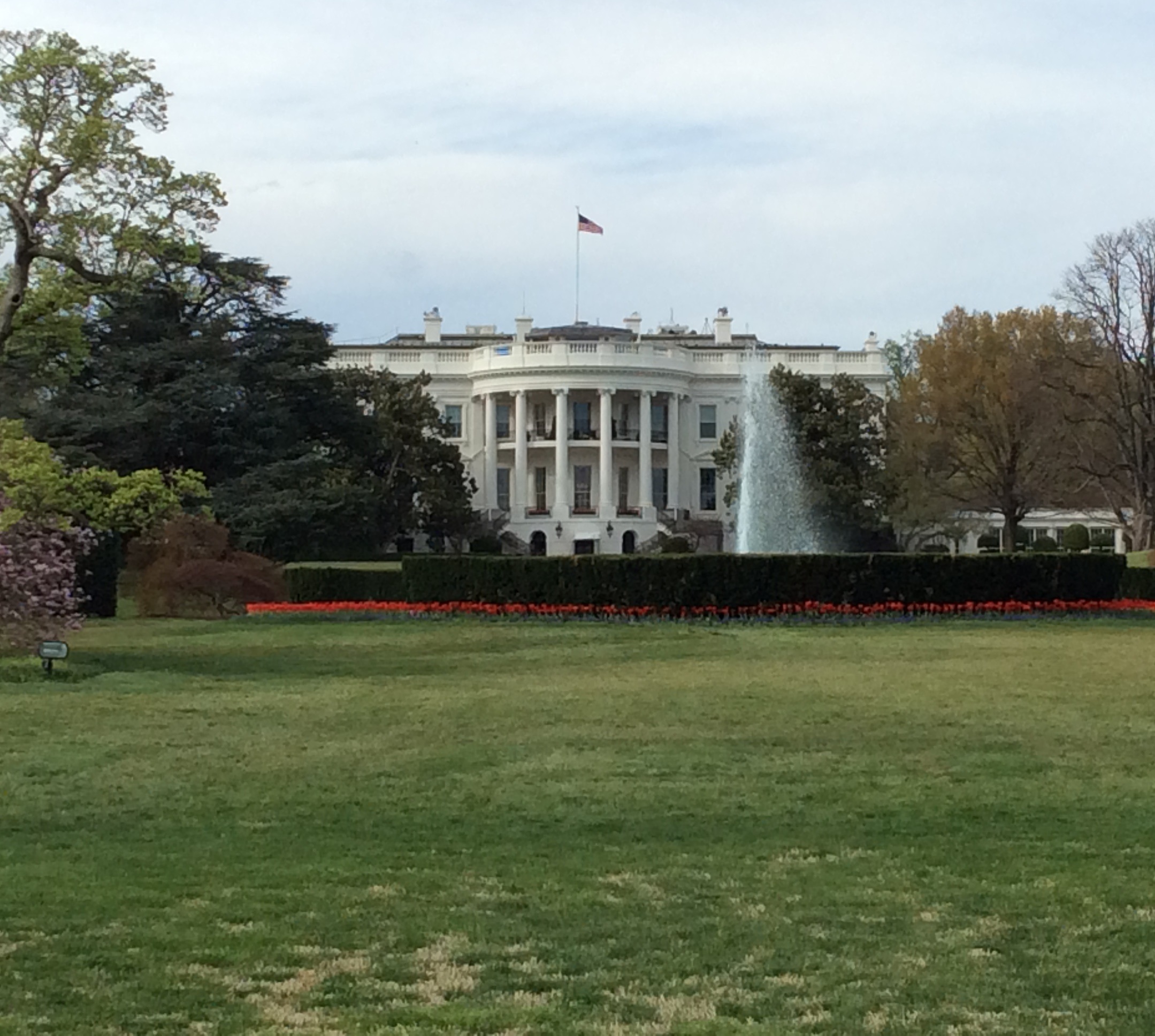
The White House, Washington D.C., looking across the South Lawn and President’s Park fountain
Next, I head south on 15th St, and turn right on the pedestrian walkway that E St becomes as it passes between President’s Park and the South Lawn of the White House, and the Ellipse.
Late in July of 1863, Douglass visited the White House for the first time when he requested, and was granted, an audience to address President Abraham Lincoln directly. His mission was to obtain better treatment of black soldiers. When they were first admitted to the Union Army, black soldiers received less pay and less and poorer quality equipment than their white compatriots. This, though they faced greater danger at the hands of hostile Southerners, especially if they were captured.
Lincoln told Douglass, regretfully, that he could not yet guarantee equal treatment of black soldiers given the strength of Northern opposition to enlisting black soldiers at all. He agreed, however, that Douglass’ demands were just and he would do as much as he could as the opportunities presented themselves, including signing off on Secretary of War’s commissions for black soldiers. Though he had often considered Lincoln a ‘vascillator’, not a consistent or even principled champion of black rights, Douglass left this audience with an impression of Lincoln as ‘an honest man’ and, personally, ‘entire[ly] free… from prejudice against colored people’. On the basis of this meeting, Douglass decided to resume recruitment of black soldiers into the Union Army, which he had stopped for awhile in protest over their treatment. However, over time, he still found himself often frustrated at the slow pace of reform in the President’s administration, and his old doubts about Lincoln stayed with him, enough for him to join in an effort of Radical Republicans to replace Lincoln in the next election. Douglass met Lincoln a second time about August 25, 1864; Lincoln had asked to meet Douglass again since he heard Douglass was unhappy with his policies. As I described in my Chambersburg account, Lincoln and Douglass concocted a plan for the latter to lead efforts to help slaves flee north behind Union lines, a plan very like John Brown’s original one before Harper’s Ferry. Douglass agreed to this plan but it never materialized.
Douglass returned again to the White House many times. On March 4th, 1865, he attended the reception held here following Lincoln’s second inauguration. When Douglass tried to enter, he was stopped by two policemen who tried to trick him into leaving. He stood his ground and got word in to Lincoln, who ordered that Douglass be allowed in. When Douglass entered, Lincoln strode across the room, shook his hand, and loudly greeted him as ‘my friend Douglass’.
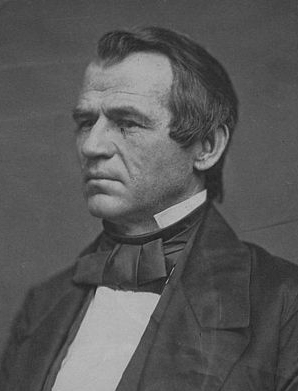
Andrew Johnson in 1860. Yes, I agree, he looked a lot like Tommy Lee Jones
On February 7th, 1866, Douglass arrived here again with a delegation, which included his son Lewis, to meet President Andrew Johnson. They discussed and debated Johnson’s Reconstruction policies. Johnson protested that his South-friendly, anti-black-suffrage policies were designed to prevent race wars, while Douglass argued that since his policies perpetuated the same old hatreds and bigotries, they would result merely in prolonging the conflicts. The year before, on the Capitol steps just before he delivered his Second Inaugural Address, Lincoln pointed Douglass out in the crowd to then Vice President Johnson. Douglass noticed that Johnson looked at him with ‘bitter contempt and aversion’ when he didn’t know Douglass was looking. But when Douglass caught Johnson’s eye, his faced smoothed into a friendlier expression. Douglass would go on to write that he knew then that Johnson was not a sincere friend of the cause for black rights.
Douglass returned to the White House more than once in the mid-to-late 1880’s at the invitation of Grover Cleveland. But likely not to dinner, as some had said, despite what alcoholic-turned-prohibitionist preacher Sam Small wrote. Small was also quite the racist, and used the rumor to try and discredit Cleveland, writing ‘[he] invited that leader of niggerdom, Fred Douglass, to his dinner table. I might excuse him…, but when he invited the low wife to go there, it is more than I can stand’. (What a creep!) Douglass himself wrote in his Life and Times that he and Helen were invited to many receptions by the Clevelands but didn’t mention a dinner with them. Douglass expressed approval of Cleveland as a person, though they were divided over politics, because Cleveland treated the Douglasses with courtesy and respect despite Douglass’ efforts against him in the presidential race. Perhaps Douglass was more disposed to friendliness because of his disillusionment with the Republicans and their abandonment of the black rights cause at this time, and as always, he was very proud that he was now a man that presidents rub shoulders with. But I don’t find evidence that Cleveland did much of anything to show he cared about black rights either. In later years, he even took to protesting to the House of Representatives that he had never done such a thing as invite a black person to dinner at the White House. Douglass’ flattering picture of Cleveland, sadly, appears to show a weakness. Always a proud man, Douglass let his personal pride overcome his convictions somewhat in this instance.
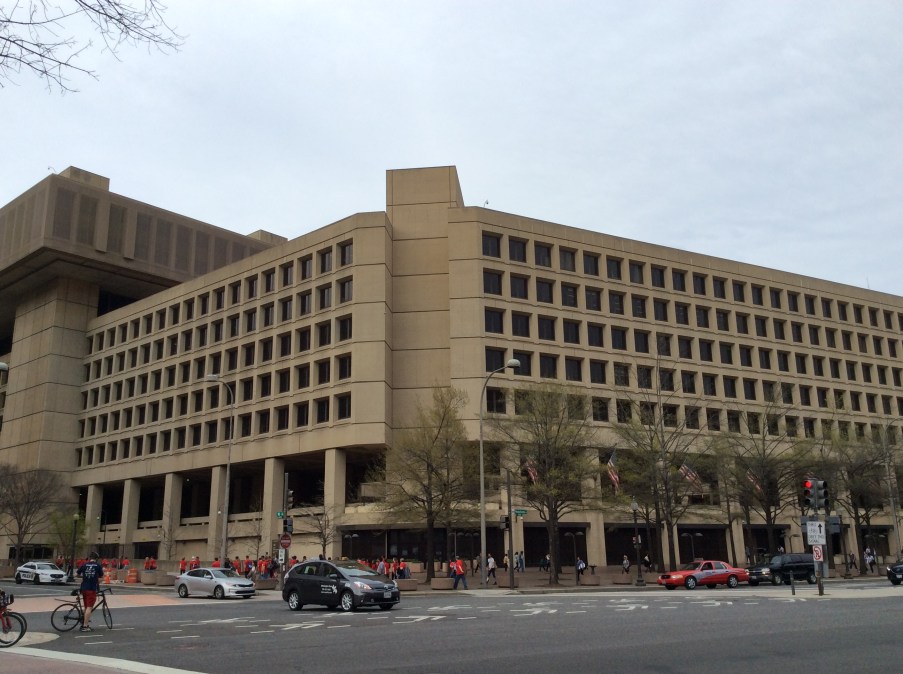
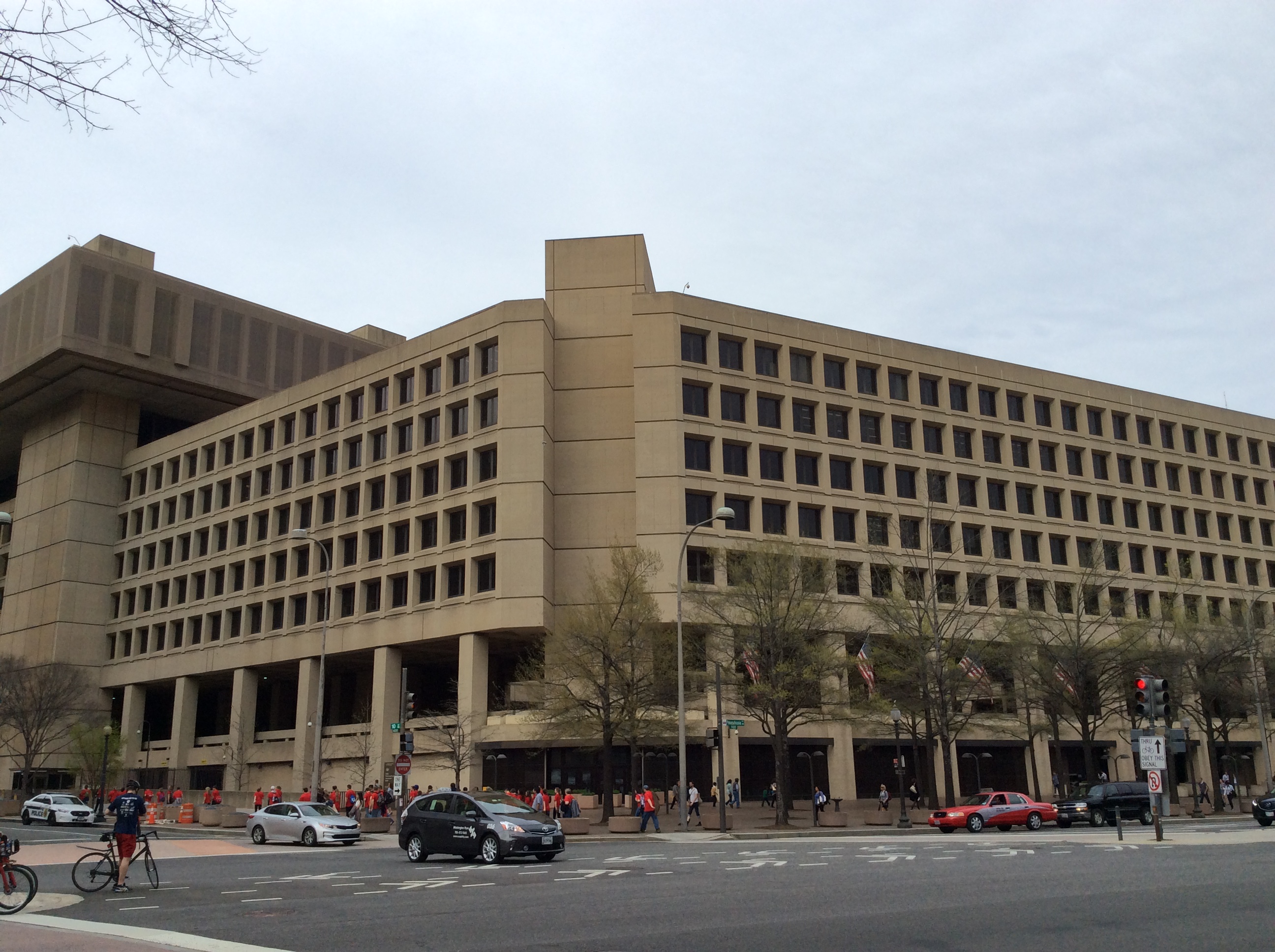
J. Edgar Hoover Building at 925 Pennsylvania NW, Washington DC
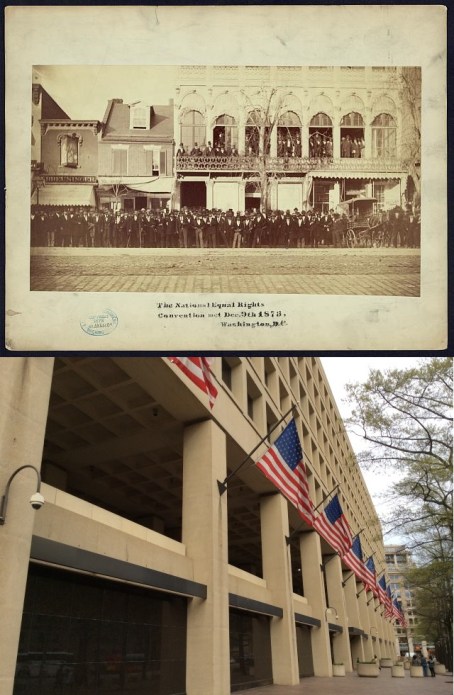
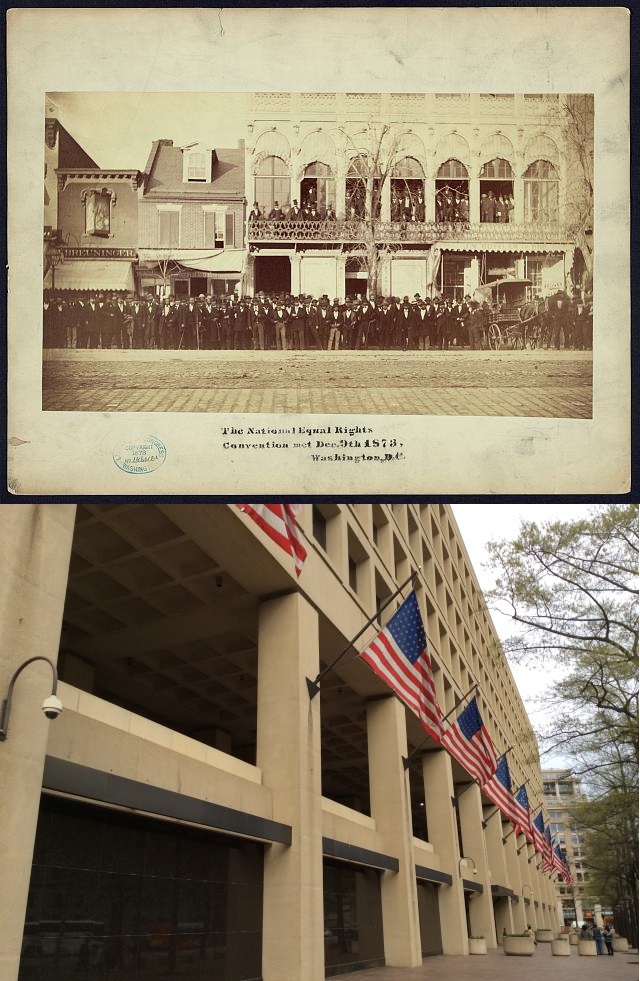
Metzerott Hall in 1873 at 925 Pennsylvania Ave, public domain via Library of Congress (above), and the Hoover Building today (below)
I head southwest along Pennsylvania Ave to 925 NW, the former site of Metzerott Hall now occupied by the humongous and hideous J. Edgar Hoover Building. Once called Iron Hall, its facade collapsed in 1894, presumably due to the massive weight of its iron portions.
On February 20th, 1895, Douglass addressed a meeting of the National Council of Women here. This address was his last act of public service: at about 7 that evening at home, as he described the events of this meeting to Helen, he fell to his knees and died suddenly of heart failure. Douglass’ friend Mark Twain also spoke here, and as we can see from the postcard at the left, the Equal Rights Association met here too. As you may remember, Douglass was a member. On May 15th, 1871, Douglass was appointed to the brand new Legislative Council of the Territorial Government of the District of Columbia by Ulysses S. Grant, who both Twain and Douglass admired. However, Douglass only kept the post for a little over a month. He resigned on June 20th, citing pressing engagements elsewhere, but I suspect Douglass might have suspected this legislature was flawed. Exactly 3 years after his resignation, the Territorial Government was abruptly disbanded for financial irresponsibility. As you may remember, while Grant was personally honest as far as historians can tell, his administration was infamous for its corruption and waste.

The Capitol Building with its dome under reconstruction

First inauguration of President Lincoln, March 4, 1861, photographer unknown
I continue east on Pennsylvania Ave to the Capitol Building, and go around to its east facade off East Capitol St NE and First St SE.
On March 4th, 1861, Lincoln delivered his first inaugural address on the steps of the not-quite-finished Capitol Building. Douglass did not attend but he read the Address and critiqued it sharply in Douglass’ Monthly, the successor to the North Star and Frederick Douglass’ Paper. He described the address as ‘double-tongued’ and ‘…but little better than our worst fears, and vastly below what we had fondly hoped it would be’. Douglass viewed Lincoln’s refusal to take a strong stance against slavery as a betrayal of principle. He accused Lincoln of being as cowed by the slaveowners as previous administrations had been, as Lincoln stated his intention not to interfere with slavery where it already existed and promised to uphold fugitive slave laws in the North. Over time, Douglass realized that Lincoln personally hated slavery and that this conciliatory stance was a pragmatic way of attaining the presidency so he could save the Union and reform it gradually. But Lincoln’s caution and reticence went too far even for the pragmatic Douglass, who had lost his faith that slavery could be ended without force.
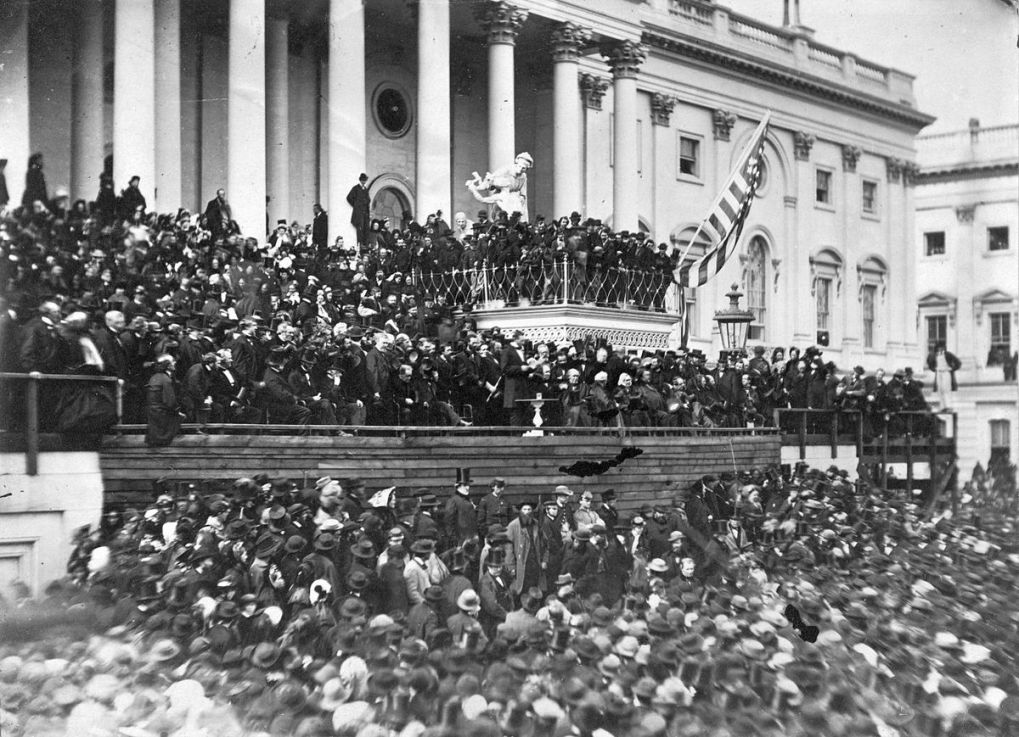
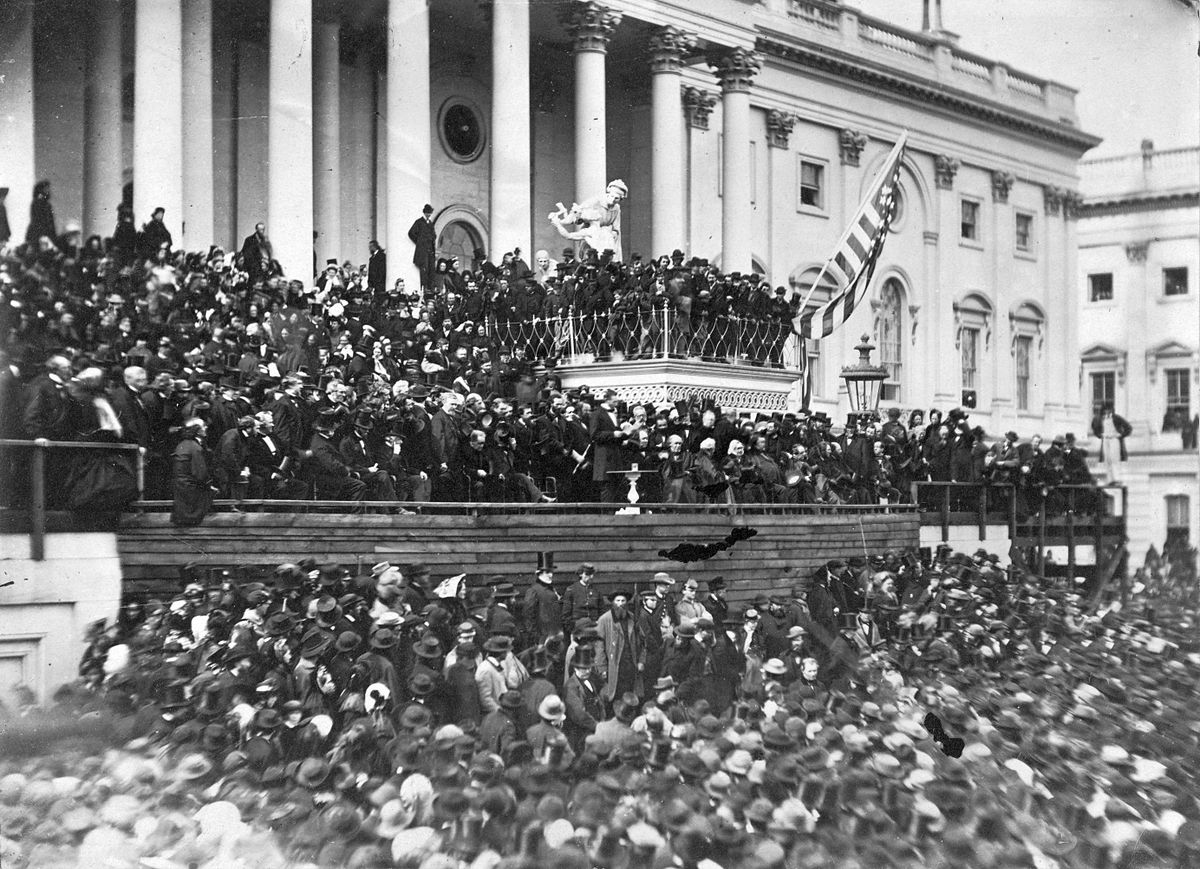
Abraham Lincoln delivering his Second Inaugural Address on the steps of the Capitol Building, Washington, D.C.. This photo was made especially famous when historian Ronald C. White identified John Wilkes Booth among those standing on the platform above and to the right of Lincoln, to the right of the statue and just to the left of the tall man with the bowler hat
As we have already seen, however, Douglass did attend Lincoln’s second Inaugural Address, held here on the steps of the then-finished Capitol Building on March 4, 1865. Douglass was far, far, better pleased with this one, to say the least. Lincoln, at last, had taken a firm stance against slavery, and the line ‘every drop of blood drawn with the lash shall be paid by another drawn with the sword’ surely resonated with Douglass’s sense of justice. He was ambivalent about violence throughout his life, but had come to believe it was sometimes both justified and necessary. Later that day at the White House reception, Lincoln asked Douglass what he thought of this Address, presumably because he knew Douglass had so thoroughly and publicly excoriated Lincoln’s first.
Douglass was here at the Capitol Building one last time on the morning of his death. According to his obituary in the New York Times, he was dropped off at the Congressional Library (Library of Congress) which was located in this building until it was moved across the street to the beautiful new Jefferson Building two years later, in 1897. More on that in tomorrow’s account.
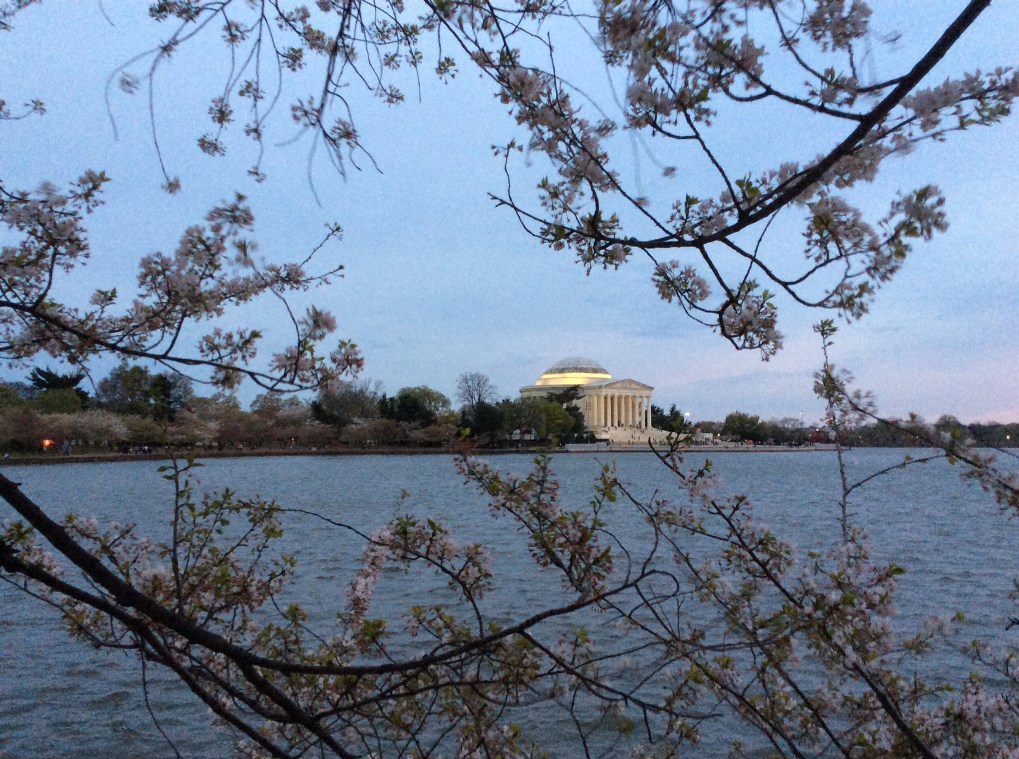
The Jefferson Memorial on the Tidal Basin among the cherry blossoms
It’s a beautiful early evening when I end my Douglass explorations for the day here at the Capitol Building. I make my way to the Jefferson Memorial to watch the sun set over the Tidal Basin through the cherry blossoms now in full bloom. Tomorrow will be my last day in D.C., and my last day following Douglass on this tour. To be continued….
*Listen to the podcast version here or on Google Play, or subscribe on iTunes
Ordinary Philosophy and its Traveling Philosophy / History of Ideas series is a labor of love and ad-free, supported by patrons and readers like you. Please offer your support today!
~~~~~~~~~~~~~~~~~~~~~~~~~
Sources and Inspiration:
Baist’s Real Estate Atlas of Surveys of Washington, District of Columbia: Volume 2, Plate 21. By Baist, George William, William Edward, and Harry Valentine Baist, 1909. Via Library of Congress website
Blight, David W. ‘Lincoln, Douglass and the ‘Double-Tongued Document’’. New York Times Opinionator blog, May 6, 2011.
Blight, David W. ‘“Your Late Lamented Husband”: A Letter from Frederick Douglass to Mary Todd Lincoln‘. In The Gilder Lehrman Institute of American History website
‘Death Of Fred Douglass: Obituary‘, February 21, 1895, The New York Times from On This Day, nytimes.com
Douglass, Frederick. Address … January 9th, 1894, on the Lessons of the Hour. Press of Thomas and Evans, Baltimore, Maryland. From the Library of Congress website.
Douglass, Frederick. The Life and Times of Frederick Douglass. Re-published 1993, Avenal, New York: Gramercy Books, Library of Freedom series.
Douglass, Frederick. My Bondage and My Freedom: 1855 Edition with a new introduction. Re-published 1969, New York: Dover Publications, Inc.
Douglass, Frederick. ‘Speech at a Surprise Party on Douglass’ 71st Birthday. 1889‘. Manuscript/Mixed Material. Retrieved from the Library of Congress website
Douglass, Helen, 1838-1903, ed. In Memoriam: Frederick Douglass. Philadelphia: J.C. Yorston & Co, 1897
Foner, Philip S. The Life and Writings of Frederick Douglass, Vol. 1-4. New York: International Publishers, 1950.
Gayle, Margot and Carol Gayle. Cast-iron Architecture in America: The Significance of James Bogardus. WW Norton & Co: New York, 1998.
Harris, Gardiner. ‘The Underside of the Welcome Mat‘, The New York Times, N0v. 8, 2008
‘Jefferson’s Legacy: A Brief History of the Library of Congress‘, Library of Congress website http://www.loc.gov
King, Gilbert. ‘The Great Dissenter and his Half-Brother‘. Dec 20, 2011, Smithsonian.com
McFeely, William. Frederick Douglass. New York: W.W. Norton & Company, 1991.
Muller, John. ‘Francis Grimke tells story of “The Second Marriage of Frederick Douglass” [The Journal of Negro History, 1934]’ In Frederick Douglass in Washington, D.C.: The Lion of Anacostia blog
Muller, John. ‘Frederick Douglass’ “Application for Permit to Build” for 316 & 318 A Street NE’. In Frederick Douglass in Washington, D.C.: The Lion of Anacostia blog
Muller, John. Frederick Douglass in Washington, D.C.: The Lion of Anacostia. Charleston: The History Press, 2012.
Quarles, Benjamin. Frederick Douglass. Washington D.C.: The Associated Publishers, 1948.
Roberts, Kim. ‘The Bethel Literary and Historical Society‘. Beltway Poetry Quarterly, Literary Organizations Issue.
Roe, Garrett W. Frederick Douglass’ ‘Homecoming’: Funeral and Burial, visual presentation, May 23rd 2014
Stiller, Jesse. ‘The Freedman’s Savings Bank: Good Intentions Were Not Enough; A Noble Experiment Goes Awry‘. Office of the Comptroller of the Currency, U.S. Treasury Department website
‘Treasury to Commemorate 150th Anniversary of Freedman’s Bank,’ 12/29/2015 press release of the U.S. Treasury Department’s Press Center
Veroske, Ariel. ‘The Feather Duster Affair of 1874‘, June 20th, 2013, from WETA.org
The Washington Times. (Washington, D.C.), 18 Feb. 1895. From Chronicling America: Historic American Newspapers, Library of Congress.




 There’s a common idea which leads many people (myself included) to instinctively excuse our own or others’ less-than-desirable behavior because we were under the sway, so to speak, of one or another mental state at the time. This is illustrated especially clearly in our justice system, where people are routinely given more lenient sentences, given the influence of strong emotion or of compromised mental health at the time the crime was committed. “The Twinkie Defense” is a(n) (in)famous example of the exculpatory power we give such mental states, where Dan White claimed that his responsibility for the murder of two people was mitigated by his depression, which in turn was manifested in and worsened by his addiction to junk food. We routinely consider ourselves and others less responsible for our wrong actions if we’ve suffered abuse suffered as children, or because we were drunk or high at the time, or we…






 I’m hard at work these days studying for the general GRE and have found that maths, other than practical arithmetic, have a way of slipping away from memory with utter thoroughness if they haven’t been practiced in awhile. And as is often the case, my restless habit of constantly piling new projects on top of others I’m already working on led me to start studying in earnest far too last-minute.
 Ordinary Philosophy