Joseph and Amy Cassey historical marker, Old Town Philadelphia, 2015 Amy Cools
Amy Cassey, anti-slavery and civil rights activist, was born in New York City on August 14, 1808. Born Amy Williams to an elite family, she married a wealthy Philadelphia businessman named Joseph Cassey in 1825. This partnership was very happy and fruitful, and the Casseys used their wealth and prestige to do much good, particularly in the antislavery movement. She outlived her husband, who was twenty years her senior, and married Charles Lenox Remond, a mutual friend and co-activist of herself and Frederick Douglass (and namesake of one of his children), continuing her work until her death on August 15, 1856, just one day after her birthday.
I couldn’t find any images of Amy Cassey or her first husband, but there are many of Remond who, by the way, had particularly awesome hair.
Amy and Joseph Cassey House at 243 Delancey Street, Philadelphia, PA
Learn more about this great woman:
Amy Matilda Cassey Album – a treasure trove of poetry, drawings, and various writings by herself and many famous human rights activists of her time, from the collection of The Library Company of Philadelphia
General store on the main road at Kenel, a community in Standing Rock Reservation, South Dakota, as seen through the windshield.
Standing Rock Sioux Reservation, North and South Dakota, morning and early afternoon of July 25th, 2017
I wake up at Prairie Knights Casino and Resort at the north end of Fort Yates in Standing Rock Reservation, on the North Dakota side. It’s by far the nicest place I’ve stayed during this trip and one of the cheapest. Thanks, gamblers, for subsidizing my roomy bed, my nice bathtub with its complimentary tasty-smelling chokecherry bath products, and my ultra-clean room!
Historical sign and wood structures near the site of old Fort Manuel, Kenel. The original site of the town
I head south on Highway 1806, otherwise known as the Native American Scenic Byway, towards the tiny unincorporated community of Kenel, in search of the site of old Fort Manuel. Counting from the road just across from Kenel’s general store, I turn left on the third road, a dirt road, guided by a little brown road sign. Then I head straight, past the turnoff that curves off to the left back towards Kenel. After a little while, this road curves to the left as well and arrives at a simple, tall, broad gateway made of three large poles with a pair of antlers in the center of the crossbeam, indicating the entrance to someone’s private property, likely a farm or ranch. The place for which the gate marks the entry is encircled by a thick grove of trees. I pull off to the right of the road in before I reach the gateway. Then I look around and see what look like historical marker signs in the field around and beyond the left side of the wooded boundary. There are some wood structures rising from the grass beyond that. I take the little footpath heading in that direction.
Portrait medallion on Sakakawea’s memorial obelisk on the west bank of the Missouri River, Standing Rock Reservation. In his record of her death, clerk John Luttig wrote: ‘She was a good and the best woman in the fort, aged about 25 years. She left a fine infant girl.’
I’m here following my trail of discovery to the site where Sakakawea lived her last year, and where she died. She was a Shoshone girl captured and enslaved by the Hidatsa people, and became one of three purchased Native American wives of an inept, and by at least one account brutish, French Canadian fur trapper named Toussaint Charbonneau. Sakakawea died at only twenty-five years of age after a long illness, probably secondary to the rigors of the Lewis and Clark expedition. During that trek, which was otherwise only undertaken by strong, travel-hardened men, she gave birth to her first child, a son, which she carried and nursed the rest of the way. Despite what would seem to us as a rather grim life story, she was loved and admired for her ability to navigate most difficulties with aplomb and for her cheerful and willing disposition. Sakakawea went on to become one of the most famous and beloved women in American history.
According to most histories, Sakakawea, sometimes spelled Sacagawea or Sakajawea (the first two are preferable because they most closely indicate the correct pronunciation in the name’s Shoshone language), died here at Fort Manuel on December 20th, 1812. There are some sources which place her death much later and far away, at the Wind River Shoshone Reservation in Wyoming on April 9th, 1884. However, that evidence is much more circumstantial and based on hearsay, and later attempts to corroborate those sources are irreconcilable with better-recorded contemporary evidence.
Reconstruction of old Fort Manuel Lisa, Kenel, South Dakota, Standing Rock Reservation
Sakakawea had moved to Fort Manuel the year before her death with her husband and a troupe of fur traders in August of 1811. Her death in December of the following year was recorded by John Luttig, clerk of the Missouri Fur Company for which the fort was founded as an outpost. This company, in turn, was founded in St. Louis in 1809 by Manuel Lisa, the Spanish entrepreneur for whom the fort was named, and William Clark was elected its president. This was the Clark of Lewis and Clark; he and Meriwether Lewis led the great exploratory expedition ordered by President Thomas Jefferson to discover a more direct trading route across the continent. From 1804 – 1806, the expedition wound northwest up the Missouri River then straight west across land to the Pacific Ocean. It was Charbonneau who was recruited by Lewis and Clark, but it was Sakakawea who lent her invaluable assistance to this mission as interpreter, trail guide, identifier of wild foods to gather, and on one occasion, rescuer of the all-important contents of a tipped boat. Clark later adopted her son, Baptiste, whom he called ‘Pomp’; he had become very fond of this tiniest member of the expedition. He later made sure Baptiste received a quality education. Charbonneau, evidently, was also rather a deadbeat.
Theodore Roosevelt Monument Manhood stone
By the way, I remember being annoyed a couple of years ago while visiting Theodore Roosevelt’s monument in Washington, D.C. Among the monument’s structures was a row of large stones engraved with quotes. On one of these, Roosevelt equates manhood with daring and courage. I commented in a piece I wrote at the time that virtues such as these are human ones, and are not distributed in human nature according to sex. Sakakawea is just one of the countless women who demonstrate this, though she performed her brave acts within a cultural milieu that inculcated these virtues primarily in men while encouraging shrinking, even shuddering, modesty in women. To be sure, she showed fear at times and wept at others. But she not only did what it was her duty to do regardless, she took on men’s duties when they weren’t fulfilling them, and then went beyond that! And she did so in a way that made others love, admire, and remember her for her ability and excellent personal qualities long after others were forgotten.
A large fireplace inside of one of Fort Manuel’s reconstructed buildings, Standing Rock, South Dakota
But back to my story… The wooden structures I see here today at Fort Manuel were built in 1965. They replaced a 1941 facsimile of the old stockade that had been built according to the details of a 1938 study of the fort’s records and of the grounds. The reconstructed stockade was not built on the exact site: its walls tracked more or less the shape of the original ones but about 6 feet away, to keep the ground open for a planned excavation that was done in 1965-1966. Fortunately, since the fort was built on high ground, it escaped the flooding of Kenel’s original location three miles north of its current site as a result of the construction of the Oahe Dam in 1944. Unfortunately, the original remains of the fort were eroded away shortly after its excavation by unusually high waves. But at least the archaeological information about the fort was retrieved before that happened. The reconstructions standing here today near the old site likely portray the original structures quite accurately, since they’re based on the very meticulous archaeological and historical research work done on the site.
View from a reconstructed building at Fort Manuel
The excavation uncovered the remains of seven structures within the original stockade walls. According to an archaeological and cultural report prepared for the U.S. Army Corps of Engineers, ‘Four of these units were dwellings (Structures A-C, E), one probably a storehouse (Structure 0), one a blacksmith shop (Structure F), and one possibly a stable or barn (Structure G). It is not known whether the post had other buildings, although extensive stripping of the site failed to reveal more. Luttig’s list of structures at the post does not tally exactly with the seven sites found by excavation and it may be incomplete.’ At first, I wonder why I see only five structures here today, but then I realize three of them are linked together like row houses, making seven in all.
Very, very few artifacts were found in the dig except for remains of the structures themselves. Fort Manuel was abandoned in the spring of 1813 after it was attacked by Native Americans allied with the British in the War of 1812. Any remaining goods were likely taken by the fort’s captors before it was burned down. Luttig, the clerk who admired Sakakawea and recorded both her death and his esteem for her; her little daughter Lizette; and her husband were among the survivors. Lizette likely died as a child, Charbonneau went on to enjoy a long life, and I don’t know what became of Luttig.
View of the Grand River from the bridge looking southwest, Standing Rock, just south of Little Eagle
Late nineteenth-century map showing the site of Sitting Bull’s camp on the north bank of the Grand River in Standing Rock Sioux Reservation, from the papers of Francis M. Craft
Little Eagle and Bullhead on the Grand River, as shown on Google Maps, 8-13-12017. Compare the dip of the river on today’s map with the dip of the river above.
I leave Fort Manuel and head south a little ways, turn right towards Kenel Road, stop for gas and an ice cream sandwich in McLaughlin, then turn south onto Highway 63. Just south of Little Eagle, I arrive at the bridge over the Grand River, the same bridge I crossed to come to Standing Rock and Fort Yates. I pull over at the head of the bridge and stop. I have more information this time. I’m here seeking the site of Sitting Bull’s death.
Based on Francis Craft’s late nineteenth-century map, Sitting Bull’s camp was on the north bank of the Missouri River, a good ways west of it, and a little ways east of Bullhead. I compare this map with the lay of the land and water here with that as shown on Google Maps. If Bullhead and the course of the Grand River are more or less the same as they are today and this map is accurate, the site of Sitting Bull’s camp would be a little ways west of where I’m standing, near the center of the curve where the river dips south. However, when you zoom out further, the lines of the river in the old map and in Google Maps track each other only loosely. Many years and weather systems have passed and the course and flow of the Missouri River, of which the Grand River is a tributary, have been tinkered with a lot since then. The first certainly, and the second likely, would affect its course over time.
Looking north and west from the bridge over the Grand River. It was somewhere along this north bank of the river, not far from here, where Sitting Bull was killed
I think of Sitting Bull’s death… no, martyrdom; he was killed for his beliefs. His real ones, and those that others ascribed to him.
Others believed he believed in the Ghost Dance movement because he tolerated it, and that the Ghost Dance movement was really a secret plot to violently overthrow white authority because it envisioned a blessed future in which the whites couldn’t oppress Native Americans anymore. Never mind that a specific doctrine of this cult was strict non-violence. Others believed he was a threat because he didn’t believe in white people, because he didn’t trust them as they thought he should. Never mind that white soldiers and settlers had treated him and his people so badly for so long.
Sitting Bull Monument on the west bank of the Missouri River near Mobridge, SD
He believed that the world was big enough to hold many people with their different ways of living and that his people and their way of life deserved to exist, too. He believed in self-sacrifice and that convenience and luxury are not worth betraying your values for. He believed it was worth fighting the white people who were destroying his people’s ability to survive so long as it seemed there was a chance to drive them out. Then, he believed in peace when it became clear that was the only way left to survive. He believed in giving individuals, white ones too, the benefit of the doubt but he also believed you shouldn’t trust people who were crazy enough to value money and putting up fences above everything else. He believed in promises but not in written treaties: promises were the way of his people, but written treaties were invariably broken, as soon as they became inconvenient, by the very people who insisted on them.
Those are a few things I believe that he believed. I think I’m right about these, but I’m still learning, and I know there’s so much more.
I cross the bridge and continue south towards Pine Ridge Reservation, south and west of here, about a 5-hour drive.
Foley, Thomas W, ed. At Standing Rock and Wounded Knee: The Journals and Papers of Father Francis Francis M. Craft, 1888-1890. Norman: University of Oklahoma Press, 2009
Howard, Helen Addison. ‘The Mystery of Sacagawea’s Death.‘ The Pacific Northwest Quarterly, Vol. 58, No. 1 (Jan., 1967), pp. 1-6, University of Washington
Jackson, Joe. Black Elk: The Life of an American Visionary. New York: Farrar, Straus and Giroux, 2016
Green fields and an old stone wall after a summer rain, Edinburgh, Scotland
Journal: Calton Hill, Edinburgh, early Saturday evening, August 12th
Right now, I’m tucked into a little sort of alcove formed by a guardrail behind me and an old cast iron fence in front of me, sitting on one of the concrete guardrail supports, resting my back on the end of the wide rail, with my feet up on the stone wall from which the cast iron posts rise. The slope of the hill behind Arthur’s Seat and the abbey ruins on the Holyrood Palace grounds are in my view. I’m eating an early dinner (or late tea) of sharp cheddar, an apple, a tangerine, and gingerbread which I brought with me, and a lightly salted, crusted pillowy pretzel and tiny bottle of wine which I picked up on my way here.
A view from my walk on Alnwickhill Rd north to Edinburgh’s city center with Arthur’s Seat in the background
Arthur’s Seat looms larger and the castle enters the view in the distance to the left, walking north along Liberton… perhaps Brae, perhaps Road, the one becomes the latter as you head north
I slept off much of my jet lag yesterday, last night well into the morning, with a break of wakefulness to sit down for a celebratory carvery dinner – with Yorkshire pudding, oh joy! – and beer, then grocery shopping. Much of this morning and early afternoon was spent on letters, working on my history of ideas travel articles for Ordinary Philosophy, going through photos of my journey of the last few weeks for that series, and a very, very long hot bath. It was raining pretty steadily all that time and it’s Saturday during the annual, world famous Fringe Festival, so it was not a good day to go hiking or taking care of business or commence job-hunting. Not that I minded at all. My room is cheery and cozy and I passed the first part of the day very pleasantly and unhurriedly.
Shops and cafes line Clerk Street
More shops and cafes on bustling Newington Road. The showy peacockian array of vintage clothing in the shop window catches my eye. I have a long background working with vintage clothing and these are very nice specimens
The crowds thicken considerably as I draw near to central Edinburgh
But as soon as I left the bath, it felt like it was time to go out. I was suddenly eager to see the lovely city I first fell in love with about three and a half years ago. It’s about an hour and a half walk from where I’m staying and I need the exercise, so I decide to go on foot. I love walking, and it’s a great way to get a detailed sense of the lay of the land between the city center and where I’m staying at the southern end of town near the city bypass. It’s sprinkling on and off a little, but I don’t mind. I’ll likely get tired of the damp and cold over time, but the last few weeks traveling through the United States have been mostly oppressively hot. It felt good today to put on a light wool sweater and not to be flushed and soaked in sweat after only a few moments of activity.
On the Royal Mile, the crowds meld into a dense throng attending Fringe Festival. During this famous, international event, the city population grows by about a third, even though many of the locals leave for vacation during this time to escape the hubbub and overcrowding
The route north to Calton Hill is pretty straightforward. After about a mile you clearly see Calton Hill and the Castle most of the way, so it’s very easy to orient yourself. I passed by petite and tidy suburban row houses, old and even ancient standalone ones, stone walls ditto, and even in one place, to my surprise, small crop fields [on subsequent thought, I think it’s a golf course, it just looks different than many American ones]. These gave way to taller, fancier buildings, new apartments, large handsome older row homes, parks, rows of shops with flats over them, then fancier homes, then tall handsome guest houses, and then, suddenly, I was in the city proper. It’s usual for Edinburgh’s old city to be very busy in tourist season but today, it’s absolutely packed, thronged with festival goers interspersed with those locals who have not fled the city, gritting their teeth as they try to reach their destinations through the hordes.
A view of Edinburgh’s New Town from the North Bridge. Sir Walter Scott’s darkly romantic neo-gothic monument rises prominently from the center of that stretch of Prince Street
A view of Calton Hill from the North Bridge
David Hume’s mausoleum and a monument to Scottish American soldiers featuring Abraham Lincoln at Old Calton Burial Ground at the foot of Calton Hill. I think it’s a beautiful thing that a great emancipator of the human person has a monument next to that of a great emancipator of human thought
I reached Calton Hill and turned into the cemetery gates to my right and paid my respects at the tomb of my man, the great Enlightenment philosopher David Hume. It was through him I met this lovely city, and he who inspired me to apply to the University of Edinburgh which he attended as a young prodigy of twelve years old.
His monument is beautiful, a neoclassical structure with clean lines, embellished just enough with a frieze of flowers and a carved urn. Other family members are buried here with him. The monument was built to reflect Hume’s wishes about the kind of monument he’d prefer if one was to be built for him; it was designed by his architect friend about a year after his death. He didn’t want anything too fancy. It’s near the base of the hill, just down the street from where the scenic walkway named for Hume circles the crown of the hill and its monuments. He successfully lobbied the town council for this path to be built so that the local people could take their exercise in a wholesome and beautiful environment readily accessible from the crowded, dirty, often dark and dank city. In this as in so many other ways, he’s totally my type of guy.
The doorway to David Hume’s mausoleum, Calton Hill, Edinburgh
I look forward so much to learning more about his life, thought, and legacy in my upcoming year here in Edinburgh. If, indeed, it’s only a year. Who knows, I may get even more hooked on this place and find myself here longer…
Statue of Robert G. Ingersoll in Glen Oak Park, Peoria, Illinois
Robert G. Ingersoll, orator, lawyer, politician and Civil War veteran often called ‘The Great Agnostic’, was a very famous man in his time but rather forgotten today. He was born on August 11, 1833 and died almost 66 years later. Among other things, he was a vocal and consistent advocate for abolitionism, women’s rights, freethought, and scientific progress. While very liberal and broad-minded, he was a dedicated family man. While his views are as progressive as could be for a person if his time, he was what we might call a square. Besides his unabashed and very public religious skepticism, he lived a life that even Victorian standards would consider altogether blameless, despite frequent attempts to discredit his views through uncovering some hint of scandal.
He was a great friend of many of the era’s most interesting and influential people including Walt Whitman and Thomas Edison, who made two recordings of his voice with his new invention, the audio recorder.
He was also an admirer and promoter of the memory of Thomas Paine. Though Paine was a founding father of the American cause for independence with his great pamphlet Common Sense and other writings, he had long fallen out of favor in American public memory following the publication of TheAge of Reason, his diatribe against religious orthodoxy and superstition, as he perceived it.
In the time Ingersoll enjoyed fame as an orator, freethought ideas had become more acceptable as a matter of public discourse. It was still generally unacceptable to be an out-and-out atheist, but even these could become popular speakers if they were eloquent and interesting enough. In fact, they were often considered novel and exciting, and free speech was enjoying one of its heydays in the United States in this period sometimes called The Golden Age of Freethought. This was a time when public speakers provided a very popular form of entertainment. Many of that era’s important thinkers and activists made their living, or much of it, through public speaking: Ingersoll himself, abolitionist and civil rights leader Frederick Douglass, and feminist, atheist, and civil rights activist Ernestine Rose among them. Rose was also a famous orator in her day, pre-dating Ingersoll by almost a generation but like him, eloquent, witty, and a champion of Paine. She generally spoke only of topics related to her social justice causes, but Ingersoll and Douglass, like many famous orators, spoke on a wide range of topics such as Shakespeare (both men were big fans), science, politics, and much more.
In fact, I have a great anecdote to share that involves both Ingersoll and Douglass, but I’ll share it with you very soon in another article or two. Ingersoll is one of the subjects ofmy current history of ideas travel project, and I have a wealth of notes, photos, and memories to share with you about my recent trip following Ingersoll’s life and ideas in Peoria, IL. As soon as I’m settled in Edinburgh, my new home city for at least the next year, I’ll write it up. I have some great information and stories about Douglass and Abraham Lincoln there, too.
Miniature room by Mrs. James Ward Thorne portraying a French salon from about 1780, ca. 1930’s, Art Institute of Chicago
In a global culture that appears increasingly obsessed with radical individualism, narcissistic presentations of self, and incendiary political rhetoric, it is hard to imagine that society once cared about the beauty of the soul. But, in the late 18th and early 19th centuries in Germany and across Europe, the pursuit of a ‘beautiful soul’ became a cornerstone of philosophical thought and popular discourse, advanced by some of the most important intellectuals of the time, including Johann Wolfgang von Goethe, Friedrich Schiller and Wilhelm von Humboldt. To these thinkers, the pursuit of inner perfectibility responded to the horrors of the French Revolution’s irrational mass action culminating in The Terror of the 1790s. Nascent notions of democracy, they believed, could be developed only if each individual achieved liberation from what Immanuel Kant described as the ‘self-incurred tutelage’ of intellectual immaturity by developing cognitive and emotional faculties through aesthetic experiences.
At the core of the beautiful soul is the idea that the individual possesses an innate cognitive potential. Subject to the right environmental and educational conditions, this latent potential can be developed to reach a more perfect state of intellect, morality, character and conduct. The beautiful soul is an aesthetic concept focused on developing human capacities and advancing knowledge and culture. It entails the pursuit of personal cultivation to create a convergence of the individual aesthetic impulse with a collective ethical ideal. The beautiful soul is a virtuous soul, one that possesses a sense of justice, pursues wisdom, and practises benevolence through an aestheticised proclivity for the ‘good’.
Inspired by ancient Greek philosophy, the beautiful soul reflects Plotinus’ imperative to cultivate the self in the same way that the sculptor works:
Withdraw within yourself, and examine yourself. If you do not yet therein discover beauty, do as the artist, who cuts off, polishes, purifies until he has adorned his statue with all the marks of beauty. Remove from your soul, therefore, all that is superfluous, straighten out all that is crooked, purify and illuminate what is obscure, and do not cease perfecting your statue until the divine resplendence of virtue shines forth upon your sight …
Sculpting the soul and creating what Goethe referred to as ‘a more beautiful humanity’ is achieved through the internalisation of the Platonic triad of beauty, truth and goodness. Beauty is conceived as the integration of intellectual and aesthetic faculties in the encounter with art and nature. Truth is the result of the logical exercise of rational faculties and the elevating sense of curiosity derived from experiences in the world. Goodness is found in the human capacity to feel compassion for others and thereby contribute to the betterment of society.
The Platonic triad is realised within the soul by exploring ideas through lived experiences, not by blindly following abstract principles or dogma dictated by a church or political system. The concept requires that the individual actively engage her senses to navigate the material world in which beauty acts as her guide. The ineluctable indeterminateness of aesthetic, sensory experience is precisely what makes it valuable in expanding one’s consciousness in order to explore the ultimate questions of reality. Watching a lark’s parabolic trajectory in the sky, observing the fractal patterns found in nature, contemplating the concentric circles produced by rain droplets in pools of water become opportunities to understand the universe and reach a heightened cognitive-affective state. As Goethe observed: ‘A man should hear a little music, read a little poetry, and see a fine picture every day of his life in order that worldly cares may not obliterate the sense of the beautiful which God has implanted in the human soul.’
The concept affirms that, in its universality, beauty offers a means of engaging with the world, providing a common basis upon which positive social relationships can be developed, acting as a lexicon for communicative exchange. Since it is a natural human inclination to share sensory experiences, beauty provides an opportunity to bond individuals in a moment of ultimate meaning, conveying ineffable feelings that cut to the core of existence. By opening one’s perceptual horizons, a person is elevated beyond ego and self-absorption into a realm of universal concern and contemplation. Beauty achieves the good by strengthening faculties of empathy that induce deeper compassion for others and attentiveness to the wellbeing of the social collective. Thus, the marriage of the beautiful, the true and the good is for the beautiful soul more than the metaphysical meditations of antiquity but the very basis of a more just and equitable society.
Although the philosophy was never realised in the way that its theorists envisioned, the beautiful soul is far more than a beautiful idea. In turning towards aesthetics, the philosophers of the German Aufklärung (Enlightenment) did not naively evade political realities. Instead, they offered a holistic theory that recognised the long-term horizon for the flourishing of reason and human understanding. In doing so, they developed a poetic conception of politics that took inspiration from ancient Greek notions of an aesthetic state. In working towards her own self-improvement and fearlessly venturing into society, the beautiful soul was a revolutionary figure, at the vanguard of Enlightenment progress.
Self-cultivation was not an idle, vainglorious pursuit of the wealthy, but rather a radical reformulation of what it meant to be human and how to harmoniously exist in society. The beautiful soul anticipated the problems of instrumental reason, overcoming the dangers of mere utility, disenchantment and social isolation by offering an aesthetic world view that facilitated positive human interactions and a multidimensional understanding of human experience. She epitomised Enlightenment values of equality, fraternity and rationality, serving as the model of a citizen who lived up to the responsibilities associated with democracy.
The contemporary turn towards nihilism that lionises the individual at the expense of the collective has made the idea of cultivating a more beautiful soul appear hopelessly idealistic and disconnected from ‘hard realities’. In a realist’s world, we seek utilitarian ends under the guise of pragmatism, turning away from the illusiveness of an immaterial and ultimately unattainable ideal. The mystery and poetry of human nature has been stripped from our daily experience at the expense of our imaginations and our will to envision a more beautiful world. Yet, the social and environmental ills induced by our unfettered economy of instrumentality are proving anything but pragmatic for the long-term sustainability and wellbeing of our species. If we still harbour hope in the human propensity for goodness, then we ought to contemplate anew the poetic, revolutionary figure of the beautiful soul that might once again provide a vision for deepening our intellectual, moral and emotional faculties in the service of a more just and progressive future for us all.
~ Justine Kolata is the founder and director of The Public Sphere, and the co-founder and co-director of The Bildung Institute. She is currently pursuing a PhD in the German department at the University of Cambridge on enlightenment salon culture.
Standing Rock Monument, Fort Yates, Standing Rock Sioux Reservation, ND. It’s a very odd monument to unfamiliar eyes: unglamorous, unprepossessing. It’s the beginning of a part of my tour where the monuments and significant places are less curated. It’s up to the looker to slow down and really look close.
~ Dedicated to Genessa Kealoha
Journal: Faith, South Dakota, early morning July 24th, 2017
I woke up in the backseat of the rental car this morning feeling just a little stiff. I drove late into the night last night so I could break up the long drive. I stayed alert enough to continue until a little after midnight, but then sleepiness began to give me that oddly swaying feeling; time to pull over. I chose a nice big gravel lot with a semi truck parked close to the road. I pulled into the other end of the lot near a row of colorful but rusted old tractors and other farm machinery, changed into my sleep clothes, and curled up in my backseat nest. I’ve decided to leave it ready for such impromptu car campings.
When I awoke, I stepped out to a soft cool morning. It had rained intermittently last night and there were still a few occasional drops falling. A man stepped out from a little garage in front of what I then observed was a little motel right next to the lot. He kindly invited me into the motel’s cafe for hot coffee and to freshen up, without rebuking me in word or in tone for spending the night for free right outside of his establishment. I thanked him but decided to push on. I had a little thermos with some coffee left and had felt the urge to keep going. But what a generous man! I did rebuke myself afterward for not stopping in just to show that I appreciated the invitation.
Journal: Standing Rock Sioux Reservation, July 24th, 2017, later
A little less than two hours later, I reached McLaughlin, South Dakota, in the Standing Rock Sioux Reservation. At the little gas station, deli, and apparently popular gathering place, I confirmed directions to Fort Yates, another half hour northeast in the North Dakota part of the reservation.
I followed the signs to Fort Yates and to historical monuments on the main street that runs along the Missouri River. In a parking lot across from the tribal administration building, there’s a stone set upright on a pedestal of yellow-painted brick, well weathered, and some historical placards, also worn. The Standing Rock placard tells the tale of how this stone inspired the reservation’s name:
I went into the administration building and briefly described the nature of my trip. The woman at the desk directed me to the Sitting Bull Visitor Center at Sitting Bull College, up on the side of the hill above the main campus buildings. I was greeted there by Jennifer Martel, and she had much to say. Before long, it was clear to me that she’s had a long experience of feeling that she and her people are often talked at and around, that they are very frequently misrepresented and misunderstood, often because people from academia and from other cultures try to explain and portray Native American cultures in ways that make sense to themselves. That doesn’t necessarily translate into truth. It was also clear to me that this was a time to say very little, just to listen. So I did.
Lakota Winter Count (facsimile), Sitting Bull Visitor Center in Standing Rock Reservation
After we spoke for awhile, Jennifer rose to greet some people who arrived for a meeting and said she’ll keep in touch. I looked through the exhibits in the lounge area of the visitor center, then headed to the Sitting Bull College Library. I’ve just set up a little writing station where the wireless signal is best. I’ll start with asking the young lady at the desk for help….
Standing Rock Sioux Reservation, July 24th, 2017: the rest of the story
I ask the young lady at the front desk to help me find a few things I’m looking for, especially biographical information for the life and death of Sitting Bull, and especially, precisely where he died. So far, I’ve had little luck with that. She’s welcoming and friendly, and we get to talking as she begins to look through her digital and print materials. She introduces herself as Stormy, great-great (how many greats, I don’t remember) granddaughter of One Bull, nephew and adopted son of Sitting Bull. She kindly prints out maps for me to make it easier to find Sitting Bull’s monuments. After we look around for awhile, I sit down to look through what she’s given me so far while she assembles a collection of books for me. She’s friendly but not gushing, and seems like a person that would take most things in stride. I like her a lot.
Map showing the site of Sitting Bull’s camp on the north bank of the Grand River in Standing Rock Sioux Reservation, based on a late nineteenth-century map among the papers of Francis M. Craft
We continue to search our materials for information about the exact location of Sitting Bull’s death. Stormy hasn’t come up with anything so far with her online search. Among the books she gave me, I read that Sitting Bull was killed in his cabin on the Grand River ’40 miles from the Agency’, according to his biographer Stanley Vestal. The number of miles is new information for me, and I do find one more particularly helpful thing in these books: a map of Standing Rock from the late nineteenth century from the papers of Francis M. Craft, a Catholic priest who used to live here. Sitting Bull was killed on December 15, 1890, and the map shows the location of his camp on the Grand River. One of Sitting Bull’s monuments is near where the Grand River flows into the Missouri. I’ll start there so I have plenty of daytime hours to work my way west along the Grand River to seek the place where he died.
Sakakawea Memorial on the bank of the Missouri River near Sitting Bull’s memorial at Standing Rock Sioux Reservation
I make my way to Highway 1806, here called the Native American Scenic Byway, and head south towards Mobridge, short for Missouri Bridge, a little town near the monument. I cross a bridge over the Missouri River and a little island. Instead of turning left on the 12 to Mobridge, I turn right towards the casino, then left, following a roadside sign which directs me towards the Sitting Bull Memorial down a little gravel road. I park and walk down the path towards the monument site near the bank of the river. Or, rather, monuments. I didn’t know that I would find two monuments here. The first I see is an obelisk with a medallion set into it portraying a woman and an infant. My mind immediately goes to the legend of Standing Rock, of the Arikara woman and her baby who turned to stone long ago.
But across the little path that encircles the obelisk, I find a bronze plaque which tells the story of Sakakawea, who famously accompanied the Lewis and Clark Corps of Discovery and was instrumental in its success. Cartoonist Bob Thaves once joked that sure, Fred Astaire was great, but Ginger Rogers did everything he did backwards and in high heels. Sakakawea guided Meriwether Lewis, William Clark, and all their big, strong men on their grueling trail first as a pregnant teenager, then as a first-time mom caring for the newborn infant strapped to her. Not only that, she jumped into a river to rescue Lewis and Clark’s journals and other important things when their boat capsized or was about to (they named that river in her honor), found wild foods for the men to eat when their rations ran low, and in countless other ways was instrumental to the expedition’s success. She was a truly impressive person.
As I read the plaque’s brief summary of her life and death, I remember that I saw signs earlier for Kenel and Fort Manuel. I mentally add that to my itinerary for later today or early tomorrow.
Sakakawea Memorial historical plaque
After I spend a little time here, I walk further down the path towards Sitting Bull’s monument overlooking the river. This may be the site of his remains, or of some of them. He was originally buried at Fort Yates, on the other bank of the Missouri River north of here. I’ll visit that monument later today or tomorrow. There’s a story that says his remains were secreted away and buried here, closer to the place he died, away from the Agency whose overzealous Indian police killed him in a botched arrest for allegedly helping to foment Native American discontent reinvigorated by the Ghost Dance movement. The Ghost Dance was the central ritual of the quasi-Christian cult of Wovoka, a Paiute holy man. Wovoka preached that Jesus Christ would soon return to earth if the Native Americans would live lives of scrupulous virtue and perform this sacred circle dance. In the happy time of Christ’s return, the sad world of death, destruction, deprivation, and loss of liberty brought by the whites would be swept away. Health and plenty would return and the people would be joyfully united with their ancestors and dead loved ones (the ‘ghosts’).
Sitting Bull Monument near Mobridge, SD, Standing Rock Sioux Reservation
The evidence was scant indeed that this religious movement was linked to any plans for violent rebellion; indeed, one of the virtues that Wovoka called on the people to practice was total nonviolence. The evidence was also scant that Sitting Bull had much more than a tangential link to the movement. He was curious about the movement and looked into it, but didn’t become a believer. However, there seemed to him no harm in it, and its message of nonviolence accorded well with the peaceful practices of his own life subsequent to his life as a young warrior. True, Sitting Bull never trusted the U.S. government, as was fitting given the history of their encounters with his people, but he no longer advocated armed resistance. He had seen the futility of this course over his lifetime and since his people now numbered so few, his primary purpose was to see that the remainder live as best they could in this alien new world imposed upon them.
Sitting Bull Memorial plaque
The distrust between Sitting Bull and the U.S. government went both ways, however, though the military power was all on one side. Standing Rock agent James McLaughlin sent out a cadre of Native American tribal police to arrest Sitting Bull for questioning. Initially, Sitting Bull was willing to go and asked leave to get dressed first, since it was his practice to sleep without clothes. But the police were impatient and tried to force him into his clothes while restraining his hands. Some friends and family, as well as adherents of the Ghost Dance movement, observed the disturbance and came to investigate. Sitting Bull then began to resist his rude treatment and in the scuffle that ensued, shots rang out. Sitting Bull was deliberately killed by shots from two separate policemen, and all told, fifteen men died, some from each side of the fight.
Sitting Bull was killed very near the site where he was born.
Ranchland along the north bank of the Grand River
After awhile, I go back a little ways north on 1806 and turn left, or east, on the first gravel road past the dirt road that runs along the Grand River, to see what I can see. I turn left again on another road, a rougher little dirt road called 121st St, which points directly toward the river. I pass through ranchland with grazing black cattle, the river usually in sight to my left. The road dead-ends at Strong Heart Ranch. I have not gone nearly far enough to reach this site I seek, but this road places me closest to the river bank that I can reach from this side, and I want to get a feel of what the riverside scenery is like. I turn back, then turn left on the gravel road towards Wakpala. I take this road through that little town and beautiful ranch land, all the way to Highway 12. I take the 12 to Highway 63, which I take back north to Fort Yates. Little Eagle, a town near the Highway 63 bridge that crosses the Grand River further south than the 12 junction, is nearer the likely site: it’s almost 40 miles from Fort Yates, the distance specified in the old map between Fort Yates and Sitting Bull’s camp. I decide to wait until tomorrow to visit that place since I’ll be passing that town and that bridge on my way south tomorrow to my next destination.
Tipis and farmland along the Wakpala road
I return to Fort Yates and seek Sitting Bull’s original burial site, which is still perhaps the current site of his remains. Stories of his reinterment elsewhere, which I mentioned earlier, are still in dispute. I find the monument on the east bank of the Missouri River, just off Sitting Bull Ave on a wide gravel path that runs north from here along the river through a tiny park. I read the plaque, look around, then sit and think. Two Native women walk by, talking and picking up litter from the grounds. One of the women approaches and greets me. We each tell what brings us here and where we’re from. She’s lived here for most of her life, as has her shy friend. That friend smiles at me and moves off to continue her task, taking no part in the conversation. The woman who greeted me tells me what she knows of the story of Sitting Bull and of his possible reburial, and about local landmarks. She points out an area where the sage grows thickly. It’s used for sweat lodges by the men and just to crush and breathe in the scent by women because, she says, the men can handle breathing in the smoke but the women can’t ‘well, you know, because we’re women’. I smile inwardly. She has a very sturdy appearance, like she’s spent her life outdoors and working hard, and seems able to hand more physically than most women and men I know.
The other Sitting Bull memorial on the other bank of the Missouri River, Fort Yates
Sitting Bull Memorial plaque, Fort Yates
I double check with her about a good place to spend the night. She agrees with a person I spoke to earlier that day, that the lodge and casino I’ll find just a few miles north of here is the best local place to go. I head there to get a good night’s sleep and do some research for my journey tomorrow.
Foley, Thomas W, ed. At Standing Rock and Wounded Knee: The Journals and Papers of Father Francis M. Craft, 1888-1890. Norman: University of Oklahoma Press, 2009
Joseph Priestley’s chemical flask at the Smithsonian, Washington, D.C. I took this photo while on the first of my Thomas Jefferson history of ideas tours, 2015. Priestly discovered oxygen on this day, August 1, in 1774 (not 1775 as the placard says) and he became most famous for his discovery since he was the first to publish a description of it. It was, however, first discovered two years earlier by a Swedish chemist, Carl Wilhelm Scheele, independently.
Ordinary Philosophy and its Traveling Philosophy / History of Ideas series is a labor of love and ad-free, supported by patrons and readers like you. Please offer your support today!
The Disneyfied, Las-Vegased Main Street of Deadwood.
Journal: Horsethief Campground North, Black Hills National Forest, Saturday evening, July 22nd, 2017
It’s a little before 10 pm, the last vestige of the sun’s light has left the sky. The starlight is somewhat obscured by the slight haze and the ambient light from this bustling, heavily populated campground. The children’s shouting and crying are finally quieting down but the teens and adults are still chatting, and some are partying. I chose this site, one, because it was available (it was the last one) and two, because of its proximity to the hike I have planned for early tomorrow, I’ll tell you about that after it happens. My tent is pitched for the night, my clothes are ready for the morning. I’ll be glad when the night is over and I can leave this campsite. I’m rather regretting choosing this spot because all the hubbub is breaking the peace and disturbing the beauty that this forest could bring, and worsens the disappointed surprise I’ve been feeling since I entered the Black Hills.
The first attraction (as a street sign identified it) that I came across after entering the Black Hills from the north is Deadwood. This Old West town has been converted to a sort of quaint Disneyland of themey cutesy old-timey trinket-mall combined with Las Vegas excess. I’m sure that if I expected to arrive at Disneyland-LasVegas, I’d think nothing of it, or take it all in with the sense of humor that usually keeps me from turning curmudgeon. But for the last few days I’ve been immersed in national parks, monuments, memorials, forests, and other spaces that move one to wonder and contemplation and even enlightenment. They’re managed so as to showcase, and to protect, and to educate about the natural wonders or important historical occurrences that caused them to be instituted. When I saw that ‘Black Hills National Forest’ sign among the lovely pines across from a glowing red clay hillside, I was happily anticipating more of that since that’s primarily what I was here for.
But here on Deadwood’s Main Street, the greed for gold, which drove our theft and rape of this natural treasure from those who treated it with the leave-no-trace care that did much better justice to its grandeur, is celebrated without any apparent self-consciousness. The signs proclaim ‘Black Hills Gold!’ and ‘Celebrity Hotel!’ and ‘Gaming!Gaming!Gaming!’ I would not presume to speak for any Native American of the Great Plains, but I can imagine that seeing this screamingly cartoon take on the gold rush, for the sake of which countless numbers of their people suffered, died, and were dispossessed of the homes and ways that gave life its meaning, as a result of greed for that ultimately useless soft yellow metal… I imagine that if I saw this while remembering what happened to my ancestors, I would want to vomit or set it all on fire.
Billboards off the highway through the Black Hills. ‘Buy booze!’ they shout.
As I continued my drive, I passed tacky billboard after tacky billboard, loud recreational vehicles roaring by painted in garish colors, each casino and resort and gimmicky attraction following on each other’s heels with tedious regularity, and my mood continued to slump.
As there was a just enough light left to get a look at one of my destinations, I followed the signs to Mt Rushmore. I arrived not long after sunset. It was crowded and it cost $10 to park in the massive parking garage across from the monumental sculpture carved out of the rock of the cliff side (unfortunately, my magic annual National Park pass didn’t work to waive the concession parking charge, as the signs refer to it). The parking garage is actually well-designed for its purpose: it accommodates a huge number of vehicles while not interfering with the view of the sculpture and directs the considerable traffic very efficiently.
Mt Rushmore in Black Hills National Forest, South Dakota, shortly after sunset
Bust of Gutzon Borglum by Lincoln Borglum, Mt Rushmore viewing platform, Black Hills, SD
I don’t care so much for the bust of the Mt. Rushmore sculptor and designer Gutzon Borglum that I passed on the walkway to the viewing platform. The bust is the work of Borglum’s son Lincoln, who helped sculpt Mt Rushmore especially in the finishing stages after his father’s death in 1941. It’s technically good but rather stiff. Except for the semewhat redeeming little smile on the lips, the portrait bears an unfortunate resemblance to those forbidding Lenin busts and sculptures so omnipresent in parts of midcentury Europe. Gutzon Borglum had talent and perseverance and sculpted many of the most important figures in American history, and I’ve encountered his work many times throughout my historical travels. However, I’m not an admirer of him personally; perhaps that contributes to my impression of his portrait bust. He was a rather unscrupulous character and an unabashed white supremacist. I’ve no doubt he was aware of the incongruousness, even insult inherent in carving U.S.-presidential portraits into this U.S.-stolen mountain.
Walkway to the viewing platform at Mt Rushmore
It was sort of a carnival atmosphere when I approached the viewing platform. Patriotic music started blaring over the loudspeakers, and I heard talk of a light show. I was struck by the lack of diversity in the large crowd: I could count non-white people there on two hands. Born and raised in Southern California and having lived in the San Francisco Bay Area for fifteen years, I always find a lack of diversity discomfiting. I am used to being around a wide ethnic variety of people and I love it.
I thought about which of the four presidents would approve of their 60-foot-tall likenesses here. Washington and Jefferson: no, surely. Both were wary of the power of power to corrupt one’s character, and neither believed in deifying other human beings, especially themselves, in the way that this extraordinary sculpture seems to do. I’m a little less sure that Lincoln would wholly disapprove: he did believe in the unifying power of symbols, and he was an extremely ambitious man, though I think he was one of those rare characters whose ambition did little to erode his integrity. On the whole, I still think he would disapprove. Of the four, I think Theodore Roosevelt would most likely to approve if it, with his outsize personality, love of power, and ‘great man’ theory of history. He was a committed conservationist and was instrumental in creating the National Park system, but I still think he might approve of this particular exception to the rule of forbearance when it comes to altering natural wonders.
View of Horsethief Campground from my tent
After a rather short time on the viewing platform, I left. I was in no mood for a light show. The sculpture is impressive and looks lovely in the low soft light of the evening, but it just doesn’t belong here in the Black Hills.
Journal: On Black Elk Peak, Black Hills National Forest, Sunday afternoon, July 23rd, 2017
I woke up refreshed and cheerful this morning. The campers, cabin vacationers, and partiers of last night are getting ready for the day. Their evident satisfaction with this beautiful morning after a day and night of fun made me feel more kindly disposed towards them, and I chatted with several of them while waiting for a shower stall to open up, including the hospitable couple from the campsite next to mine who loaned me their camp light last night to set up my tent by.
Black Elk prays to the Six Grandfathers on Black Elk Peak, formerly known as Harney Peak, in 1931, when he ascends this peak for the first time in the flesh. He’s accompanied by his son, and by the poet and author John Neihardt with his daughters. Black Elk had been on this mountaintop in a vision when he was very young, a vision that guided him for the rest of this life. ‘He’d prepared in advance for this address to the gods. In his Vision, he’d been naked except for his breechclout, his body painted red, the color of the right road. But the girls were there and he didn’t want to embarrass them [what a gentleman! – AC], so he stepped behind an outcrop and a few minutes later emerged wearing a bright red union suit commonly called long johns. Over that he wore a black or dark blue breechclout, trimmed in green, and on his feet high stockings and beaded moccasins’ – Joe Jackson, Black Elk: The Life of an American Visionary
I packed up my tent and drove to the Sylvan Lake recreation center, where there’s a hotel, cabins, and structures for boating and water sports, and where I’ve been recommended by a few people to start my Black Elk Peak hike from. The young woman at the front desk looked and sounded quite a bit like Winona Ryder, but taller, leaner, more what’s often called ‘girl-next-door’. She looked to me like a local and a hiker so I approached her; my guess turned out to be right. I asked her about the hiking trails to Black Elk Peak, and she hesitated. I assured her that I’m a sturdy hiker and was looking for the best hike, not necessarily the most popular one. Her smile broadened, and she directed me to ascend via Trail #9, the Black Elk / Harney Peak Trail, from the Willow Creek trailhead rather than the Sylvan Lake one. The former is longer and more strenuous, but, she said, much more spectacular. ‘That’s the one, then!’ I said. After all, I’ve gone all this way to do this, so best do it right.
She was the first person in the Black Hills that didn’t react negatively to my calling it Black Elk Peak. It was finally renamed by the U.S. Board on Geographic Names last year after years and years of protest. Until last year, it was named Harney Peak after General William S. Harney, whose forces massacred Native American women and children in the wars for the Plains. When I had asked various people for directions and advice or just mentioned my plans in conversation, the response was invariably a rather sour look and something like ‘Oh, you mean Harney Peak. It’ll always be Harney Peak around here.’ I realize people like familiar things to remain familiar, but I’m still disappointed by this ungenerous reaction. I mean, c’mon. We’ve taken these hills by force and trickery and are milking them for cash to this day, and we’ll never give them back. Let a little something of their sacred history be memorialized here, too.
Trailhead to Black Elk Peak / Harney Peak from Willow Creek, Black Hills, SD, via Trail #9 by way of Trail #8
A view from Trail #9 in the Black Elk Wilderness
Returning to my story, the woman at Sylvan Lake Hotel was right. I’m so very grateful that she sent me here. This 9 ½-mile out-and-back hike is glorious, from gently winding sandy horse trails through pines and voluminous wildflowers to steeper, narrower climbs between fantastic rock formations….
…. Continued later the same day: I stopped writing just there because I of a happy interruption.
As I was writing what you just read, I was perched on a rock near the edge of the peak with a very long, nearly sheer drop under my feet. At overlooks like this one, I like to reverse-Spiderman towards the edge, creeping face-up along on all fours so I can’t slip as I near it, until I find a hollow I can sit in. The depression needs to be deep enough so I can tuck my rear well into it and feel that there’s no way I can fall unless I really tried (this tactic allowed me to fully enjoy the grandest view possible of the Virgin River canyon at Zion National Park from Observation Point not too long ago). I took photos of the amazing scenery from my perch and then was inspired to write. I was so absorbed in my writing that I was unaware of what was happening right next to me until I heard the tinkle of a bell and someone say, ‘Whoa!’ I swung my head around in the direction of these sounds and I saw a couple with their medium-size dog (the bell was on its collar) well behind me on the rocks. I swung my head back around again towards the white shape they were looking at rather near to me on my right, also near the edge like I was.
Perched on a rocky ledge on Black Elk Peak
It was a female Rocky Mountain goat, a mature one, with curved pointed horns. She was perhaps twenty-five or thirty feet away from me. I was surprised that such a large animal could come so close without my noticing, but I think the people who know me best would not be surprised. When I’m reading or writing, generally, I’m pretty oblivious to what’s going on around me. I carefully gathered up my things that I had tucked into another crevice next to me, buckled my pack around my waist again, and backed up a little farther from the edge, moving slowly all the while. I wasn’t afraid of her since she was very clearly not afraid of me so long as I didn’t approach or make any sudden sounds or movements. She kept half an eye on the dog which was carefully restrained by its owners; it was quiet, tensed in riveted attention. After apparently satisfying herself that the dog was no threat, she turned her attention to me, sniffing energetically and edging herself in my direction, chewing her cud all the while. At a certain point, she turned and walked purposefully towards me, coming to a stop about 8-10 feet away. I was only a little nervous, but not as a result of her behavior: she was still at ease. I was just aware that she’s a wild animal, very large, her efficient tools for ridding herself of enemies, and I’m near the edge of a cliff. It’s her natural habitat, but not one I could navigate gracefully if I needed to beat a quick retreat.
A Rocky Mountain goat approaches me on Black Elk Peak
We observed each other for quite a while at these close quarters. She continued to sniff: at my scent? at the snacks in my bag? and to watch me, sometimes looking at my straw-colored hat flopping in the wind. I could almost reach out and touch her: she was only about two steps and an arm’s length away. At one point, however, I coughed, and she shied away about ten feet.
A panoramic view from Black Elk Peak with a Rocky Mountain goat
A broken rock reveals its inner shine, set on a fallen log
After quite awhile, I decided it was time to go. I was thirsty, and I noticed my legs were getting sunburned. I still had a long trek ahead of me, mostly downhill, but steep and very hot. I rose slowly to my feet, and the goat ambled a few more feet away. I looked back at her at the edge of the rocks as I left. She looked grand standing there, ageless.
I wound my way back down, and the sandy trail sparkled under my feet. It’s as if the passing stars, in their slightly changed positions in each night sky, left a pinpoint of their glow behind, except where spilled moonlight stuck to the ground in the form of shining rocks and large luminescent pieces of mica. The trail is beflaked liberally in many places by thin little sheets of this translucent and opalescent mineral.
The trail was also bounded by exuberant sprays and stands of wildflowers. The wild raspberries were bursting with fruit along most of my course up and down. The ripe berries fell off their stems with very little encouragement and were as effortless to eat too. They were so tender that chewing and swallowing were almost unnecessary: you could just roll them on your tongue then press gently in your mouth and they would just dissolve away. I must have eaten one or two pounds of them on the round trip.
Wild raspberries grow plentifully along Black Peak Trail
A view near the top of Black Peak Trail
Flowers and fruits along the Black Peak Trail
Another view from the Black Elk Peak Trail
When I reached the end of my hike, I rested a bit, then headed to the nearest KOA center for some ice. I was soaked in sweat and covered in dust, the latter stuck firmly to me from the former. First I poured several pints of water over the ice, drank all that down, then poured a warm bottle of beer from the car over the rest to enjoy that when I reached my next destination. I headed east on 244, then south on 385.
Portrait of Korczak Ziolkowski at the Crazy Horse Memorial Visitor Center. The unfinished frame is purposeful: by direction of the artist, the rest of it will be put in place when the Crazy Horse sculpture is finished
In the early 1930’s, Lakota chief Henry Standing Bear approached Gutzon Borglum with a proposal to create another monument carved into the Black Hills. This one would immortalize his cousin, the great warrior Crazy Horse, a leader of the victorious Native American forces at the Battle of the Little Bighorn in 1876. Not surprisingly, Borglum turned him down. Standing Bear persevered in his search for another sculptor willing to undertake this massive project, and he found one: Korczak Ziolkowski, who had assisted with the carving of Mt Rushmore for a time. Standing Bear discovered him in a 1939 article about his prize-winning sculpture of the Polish pianist, politician, and independence activist Ignacy Jan Paderewski.
Ziolkowski thought the project sounded like a worthy endeavor. He worked on this massive sculpture, which already dwarfs the Mt Rushmore sculpture, with determination and single-mindedness for the rest of his life. He did preliminary work on the Crazy Horse Memorial throughout the early 1940’s when he wasn’t serving in the military, then arrived in the Black Hills in 1947 to begin creating the actual sculpture. He married and had 10 children during this time as well, and died 35 years later on October 20, 1982. His wife and now many of his children carry on his work. It won’t be fully finished for another several decades at least. By the way, it’s fully funded by private donations and the proceeds from entry ticket sales, so if you believe it’s a worthy project too, you can donate here.
The Crazy Horse Memorial sculpture by Korczak Ziolkowski rises from the pines of the Black Hills
Inside the shabby but sturdy old school bus that takes us closer to the Crazy Horse Memorial. I particularly liked our tour guide and driver: a funny and warm sweetheart.
After I arrived at the Visitor Center, I looked at a few of the several thousand interesting and beautiful artifacts and artworks throughout, and then made my way back outside to get a better view of the memorial itself. At the bus stop, I rested, waiting with the other tourists for our ride closer to the sculpture, which is not generally accessible by foot since it’s an active work site. I sipped my cold and watery beer, ate my beef jerky, and chatted with other travelers.
Working model of Crazy Horse Memorial at the Visitor Center
Profile view of George Washington’s sculpted head from the side of Mt Rushmore
When I returned from viewing the sculpture, I lingered at the visitor center and museum for awhile, I set off on my journey north and east to my next destination. On my way out from the Black Hills, I returned to Mt Rushmore, which was pretty much on my way, to see if I felt differently about it. The beauty of Black Elk Peak, seeing the Black Hills there as I had longed to see them, and then seeing the more noble and fitting endeavor of the Crazy Horse Memorial had left me feeling uplifted and inspired. Perhaps I could appreciate this work of art more fully and positively in my now very different frame of mind.
But, it was no good. I still felt the same about Mt Rushmore as I did the day before.
Cheyenne Warrior Marker historical placard, Little Bighorn Battlefield Monument, NPS. I’m glad to see that there’s now public acknowledgement that other human beings died here that day besides U.S. soldiers. Soon, I hope, that more of the Oglala, Hunkpapa, Miniconjou, Arapaho, Cheyenne, and other tribe members, their slain warriors and slain women and children as well, will be specifically remembered too, as far as we can identify them. There’s a general remembrance in the Indian Memorial, but it would be a very good thing, I think, to see more of the victims named if possible. The attack began, after all, with U.S. soldiers firing into the lodges of families, regardless of the collateral damage (that pragmatic military term to ease the conscience of war-makers), the lives of noncombatants that would necessarily be lost.
Little Bighorn Battlefield National Monument, Saturday, July 22nd, 2017
As I continue to explore the Little Bighorn Battlefield the next morning and afternoon, I gain a much clearer idea of how the drama played out. I had read many accounts of the battle, but seeing the lay of the land helps me visualize it more clearly. For example, it all happened over a much larger area, and over a longer period of time, than I had conceived.
Here are just a few more images of the many, many more things I see and learn here this second day at the Little Bighorn battlefield:
Headstones marking where U.S. cavalry soldiers fell at the Battle of the Little Bighorn, June 25-26, 1876. The 7th cavalry was hopelessly outnumbered; later, Native American expressed their amazement that George Armstrong Custer’s 7th attacked the encampment given that it was so large, about 7,000 in all, including about 2,000 warriors. Though it was later revealed that Custer ordered the attack because he didn’t want the encampment to escape, still, it was suicidal to lead his men to attack such a large force before the other approaching U.S. troops arrived. So it the question remains unanswered, at least satisfactorily: was it just hubris on his part, or dismissiveness of Native American prowess in war, or ignorance, or some of each? The debate continues….
John Stands in Timber, Lame White Man’s grandson, was one of those who helped the National Park Service to identify and honor the sites of fallen warriors
Here, about 7,000 people banded together near the banks of the Little Bighorn River in 1876 in a bid for freedom
Above: Deep Ravine, through which Crazy Horse led a charge towards Land Stand and Calhoun Hills from the Little Bighorn River.
Site of Major Marcus Reno’s retreat, about five miles from Last Stand Hill, Little Bighorn Battlefield. He attacked the encampment from one direction, Custer from another, and his detachment of soldiers was the first to start firing
Looking towards the Crow’s Nest vantage point from which Custer directed his attack
Black Elk quote on the wall of the Little Bighorn Battlefield National Monument museum. Black Elk, a Northern Cheyenne, was a young teenager when he fought in the battle here, and he went on to become an important witness to what occurred here. This quote is from Black Elk Speaks, poet and author John G. Neihardt’s account of Black Elk’s conversations about, among many things, this battle and of his life as a visionary and holy man. It was published in 1932, when Black Elk was in his late 60’s. Black Elk’s life was a fascinating one, and I’ll continue to follow him in this series. To be continued…
Many times throughout my life, especially as a child and teen, I had heard of the battle at the Little Bighorn, and shrugged my shoulders each time. I was not then inspired to learn more about it: it seemed to me like just one more of the countless times human beings have slaughtered each other for what were probably completely insufficient reasons. Why learn the tedious details?
I’ve only recently begun to make a serious study of the history of the Native Americans of the Great Plains and their encounters with the encroaching peoples of the United States and Europe. What I’ve learned is disturbing, amazing, complex, and heart-wrenching. Learning about this battle, it turns out, is not the least bit tedious. It’s dramatic, tragic, fascinating, and invaluable for understanding this very important and formative period in American history, and continues to be very relevant today. Human beings are still wasting lives on battlefields all over the world, and Americans are still dismissive of and doing wrong to the original inhabitants of the Plains, as the recent Dakota Access Pipeline debacle illustrates.
The view very near where I turned off to sleep at Beartooth Pass, Montana. It was quite a sight to wake up to.
Little Bighorn Battlefield National Monument, Friday, July 21st, 2017
Early morning Friday, I awake to a most spectacular view: the Beartooth Mountains from the top of Beartooth Pass, at about 10,900 feet above sea level. As you may remember, I had to pull off the road to sleep last night since I encountered a road block in the middle of the night between Yellowstone National Park and my next destination, the Little Bighorn Battlefield National Monument. The Beartooth Pass drive is incredible, a worthy destination in itself. I’m very glad I chose this longer route, I can’t imagine any other northern route would come close to its beauty.
View of Custer-Gallatin National Forest from Rock Creek Vista Point off Beartooth / Highway 212 heading east
The drive from the pass to the Little Bighorn is a happy and thoughtful one. I have the deep glow of satisfaction from reveling in the spectacular natural beauty of Yellowstone National Park and Custer-Gallatin National Forest combined with the physical afterglow which follows vigorous exercise from my fast hike up Mt. Washburn. But during the long drive, I also think a lot about the events which occurred at the site I’m approaching, so I’ve grown a little somber as well.
When I arrive at the Battlefield, it’s early evening. There’s still a good couple hours of daylight left, and the angled sunlight makes the grassy undulating land glow gold. It’s windy up here, and the air is soft.
Life-size images of Sitting Bull, chief and holy man of the Hunkpapa Lakota, and U.S. President Ulysses S Grant, at the Little Bighorn National Monument museum.
I stop in at the Little Bighorn National Monument Visitor Center. At the entryway to the museum, I find life-size images of Sitting Bull, chief and holy man of the Hunkpapa Lakota, and U.S. President Ulysses S Grant. Grant was disturbed by what he heard about the mistreatment of Native Americans by white settlers (that’s one thing to call them), but his idea of humane reform was to put Native Americans on reservations and convince them to adopt white language, religion, and culture, and to remove their children to white schools to train Indian ways out of them. Sitting Bull did not see things this way at all. He believed that the Great Spirit had placed his people where they were intending that they live in accordance with the opportunities and limitations of the land as he had created it for them. I think he also realized, as history has taught us time and time again, that culture and a sense of history are essential for health and happiness and a sense of purpose. Like natural immunity, culture takes time and a particular set of circumstances to develop. It works very well but is also very fragile. Rip people out of the environment in which they develop and try to force them to suddenly survive in another, and the results can be just as devastating and long-lasting to physical, mental, or spiritual health.
You likely know at least this about the Battle of the Little Bighorn and its significance: it was the worst defeat inflicted on the United States military in the Great Sioux War of 1876. George Armstrong Custer’s 209-man division of the 7th cavalry was annihilated when they attacked a large encampment of allied Native Americans, shooting without warning into the lodges of families as they slept, for defying U.S. government orders to confine themselves to reservations.
Great Sioux War map at the Little Bighorn Battlefield National Monument museum, NPS
These reservations were largely composed of lands undesirable to white encroachers: they were relatively poor in soil and natural resources and had often already been stripped of their timber, their buffalo herds and other game all but exterminated by the first wave of white arrivals; they were also often damp and mosquito-infested. Many of these Native Americans had already lived for a time on these reservations and found that life there was miserable: the agencies which managed the reservations were often run by both military appointees and private entrepreneurs who supplemented their meager salaries by plundering the rations sent by the government to the tribes. So food was scarce, the lands inhospitable for the reasons described above, and disease was rampant. Malnutrition, depression caused by forced inactivity and homesickness, malarial conditions, and diseases carried by whites for which the Native Americans had no evolved immunity, caused them to sicken and die at alarming rates. So, of course, many of them left. The risk of violent death at the hands of the military seemed preferable to a slow, depressing death by malnutrition and disease.
But the enforced life of hopelessness on the reservation was not the worst of the U.S. government’s depredations. The Black Hills (Lakota Pahá Sápa) of South Dakota and Wyoming were a sacred place to the Native Americans of the Great Plains and were guaranteed inviolate to white invasion by the Treaty of 1868 between the United States and the Native American tribes. However, in response to rumors of gold found there, Custer led an expedition into the Black Hills in 1874 to confirm these reports. He also wanted to find a good location for a fort to defend prospectors and a possible route to the southwest through the Hills. Again, all of this was illegal, in violation of the Treaty. But in this case as in countless others, the lust for money was allowed to conquer all. So not only did the U.S. decide to take their homes, they decided to take their sanctuary, their holy of holies, as well. After Custer’s expedition, prospectors poured in, and after their first feeble attempts to keep them out, the U.S. government caved to monetary interests and took steps to buy, and then to steal, the Black Hills for annexation as U.S. territory.
Sitting Bull portrait etched into black granite at the Little Bighorn Indian Memorial. I like how the golden grassy hills are reflected on the stone as I am looking at it
The Lakota Sioux and their allies, the Northern Cheyenne and Arapaho, were the victors of the Little Bighorn battle. They were led by the famed warrior Crazy Horse, Sitting Bull, and other great Lakota, Cheyenne, and Arapaho warriors. Sitting Bull did not fight but stayed with the women, children, and the aged to protect them. He believed it fitting to leave the fighting and its opportunities for glory to the younger generation. After fasting and sacrificing 100 tiny pieces of his own flesh from his arms at a Sun Dance ritual two years before, the warrior and holy man Sitting Bull had a vision in which he beheld U.S. soldiers falling in great numbers headfirst into a Lakota camp. He believed this presaged a great victory. The minor victory the week before at the Battle of the Rosebud did not seem to fulfill the prophecy he perceived in his vision; the Battle of the Little Bighorn very much did. But this victory sparked a much more vigorous crackdown, and the Native Americans, as we all know, were ultimately defeated in this war.
From the time I arrive at the battlefield, to when I return the next morning, to the time I leave, I experience the place visually and emotionally, with very little inner dialogue. My eyes take over, and I let them. So accordingly, I’ve decided to tell the rest of this story, the story of my visit to the Little Bighorn, in annotated photos, in which I share my thoughts as I review them. They portray just some of the many, many things I see and learn here.
Last Stand Hill, where George Custer was defeated at the Battle of the Little Bighorn, with just a few of the multitude of headstones marking the site of U.S. casualties. At the time I saw this hill, throughout the rest of the evening here and my visit here the next day, I kept thinking ‘Hubris! Such hubris!’ (excessive pride)
Wooden Leg Hill. His account of the Little Bighorn battle was the first first-person account I read and is an integral part of the historical records of what happened here on June 25th and 26th, 1876.
Two Cheyenne warrior gravestones at the Little Bighorn Battlefield Monument. It took far, far too long, but finally, the sites of fallen Native American warriors began to be marked as well starting in the 1990’s, with elegant red granite headstones
Spirit Warriors Sculpture by Colleen Cutschall / Sister Wolf at the Little Bighorn Indian Memorial
About Sitting Bull and Crazy Horse, Little Bighorn Indian Memorial
About some of the warriors who fought here in 1876, Little Bighorn Indian Memorial
About Custer’s pledge not to kill any more Cheyennes, Little Bighorn Indian Memorial. Like so many other white promises to the Native Americans, this promise was unkept
Portraits and a list of warriors who fought here in 1876, Little Bighorn Indian Memorial
View of gravestones and visitor center from Last Stand Hill, Little Bighorn Battlefield Memorial
A chokecherry bush with prayer ties. A jubilant songbird is perched on it as I look. You can see it if you look closely at the center top. Just off the path near Last Stand Hill, Little Bighorn Battlefield Memorial.
I wander here as long as I’s allowed, then the ranger lets me know it was time to go since it was five minutes before the 8 pm closing time. So I leave to find a place to spend the night, and I’ll return tomorrow.

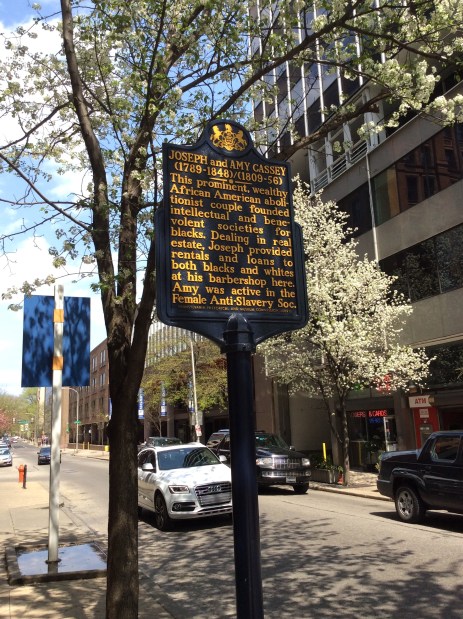
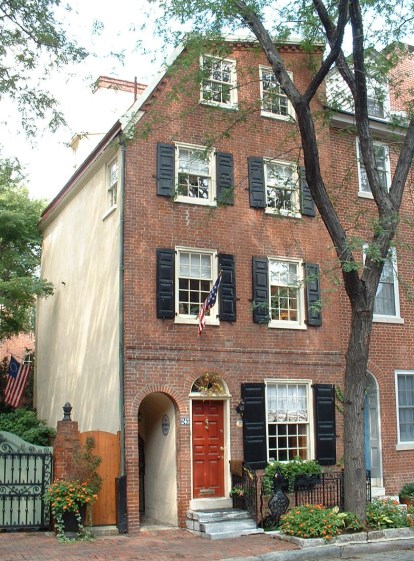
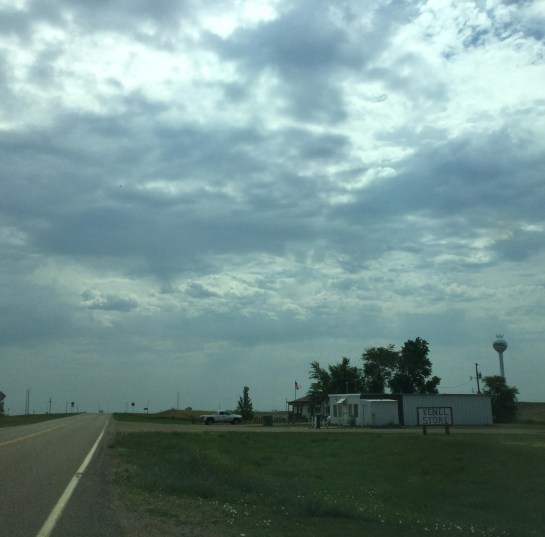
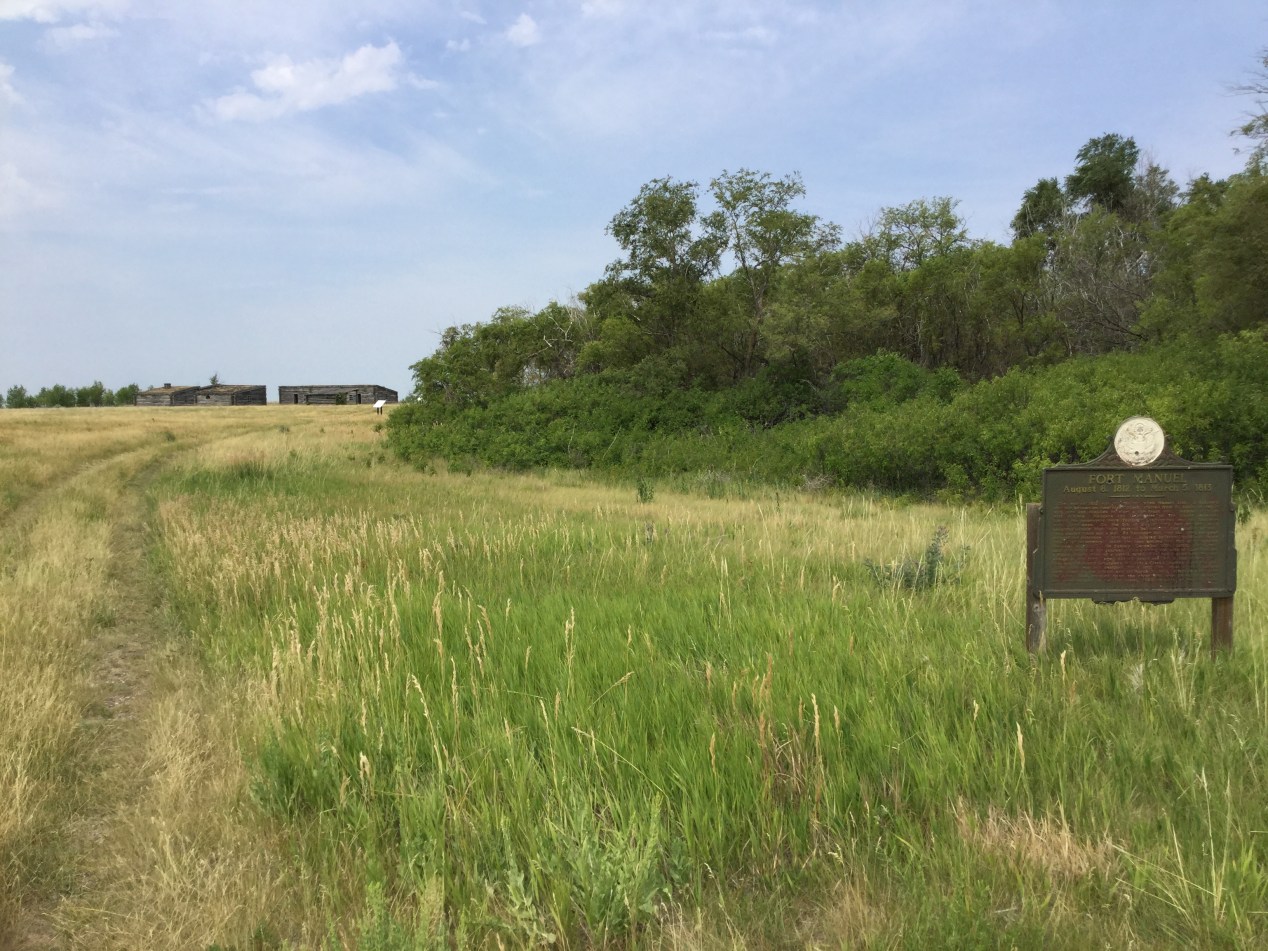
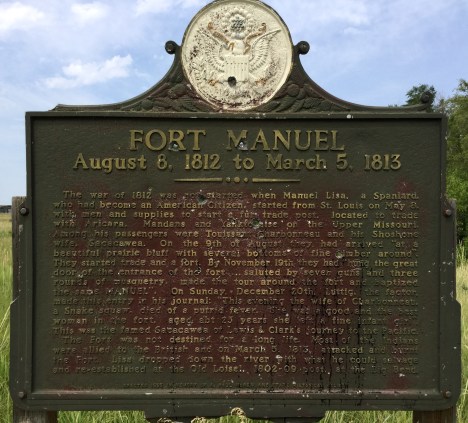
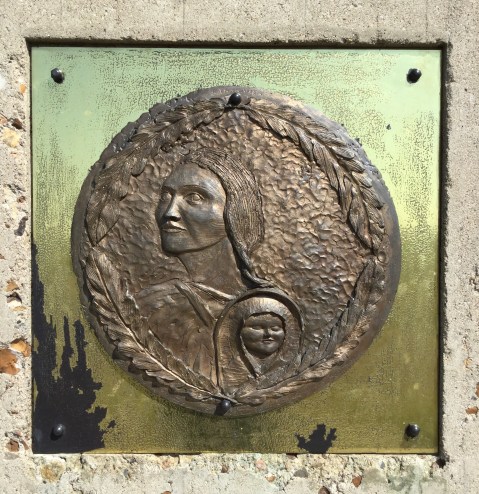
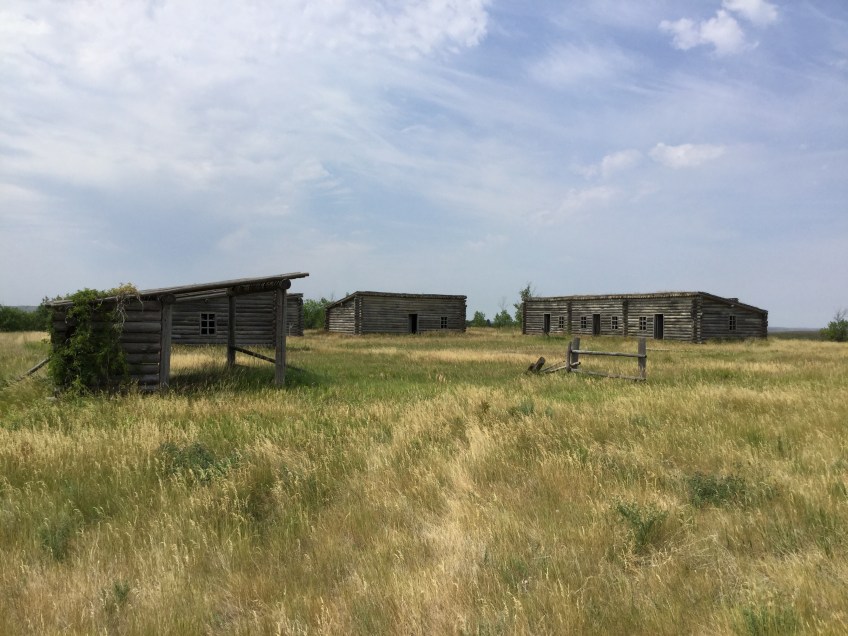
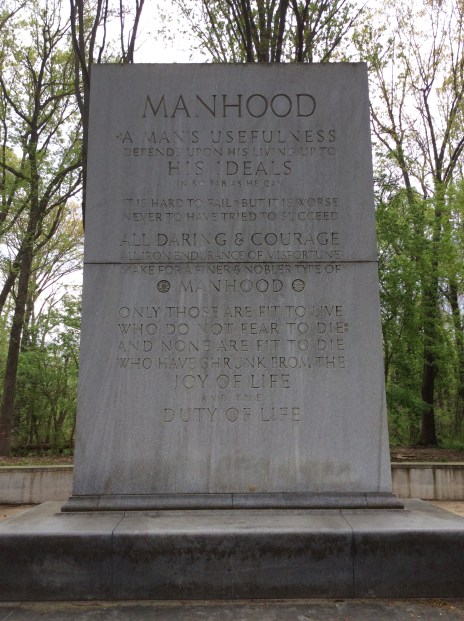
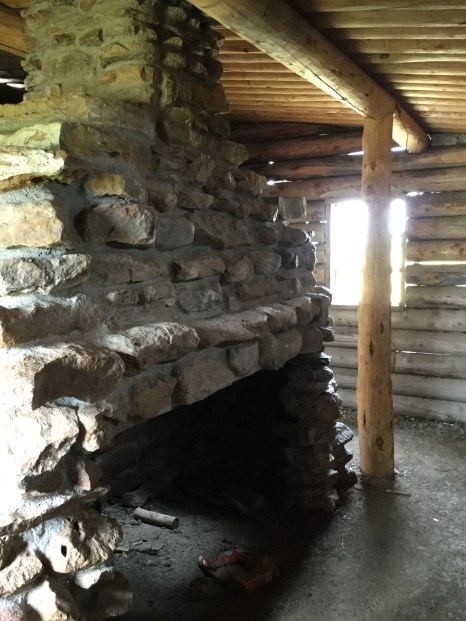
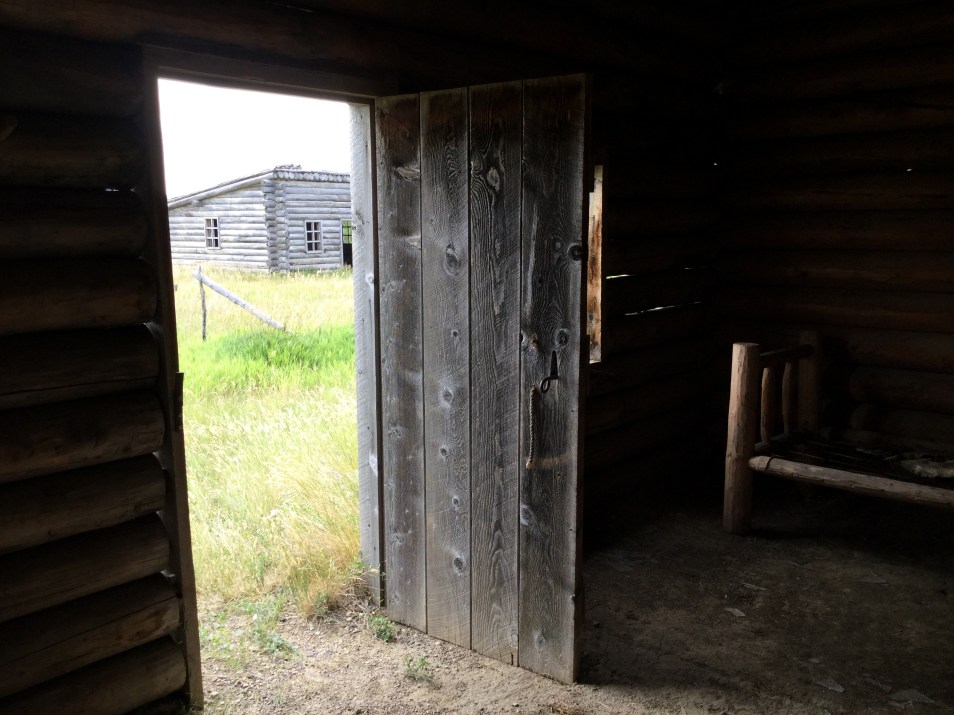
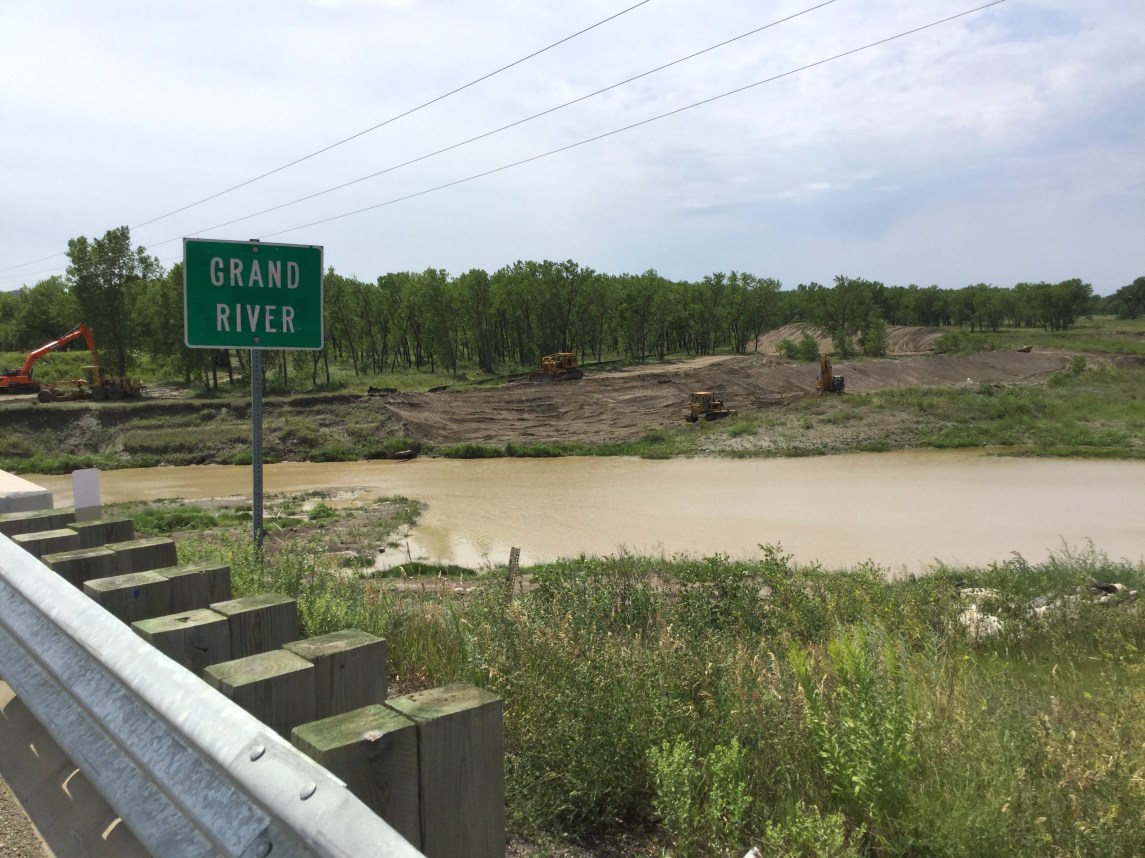
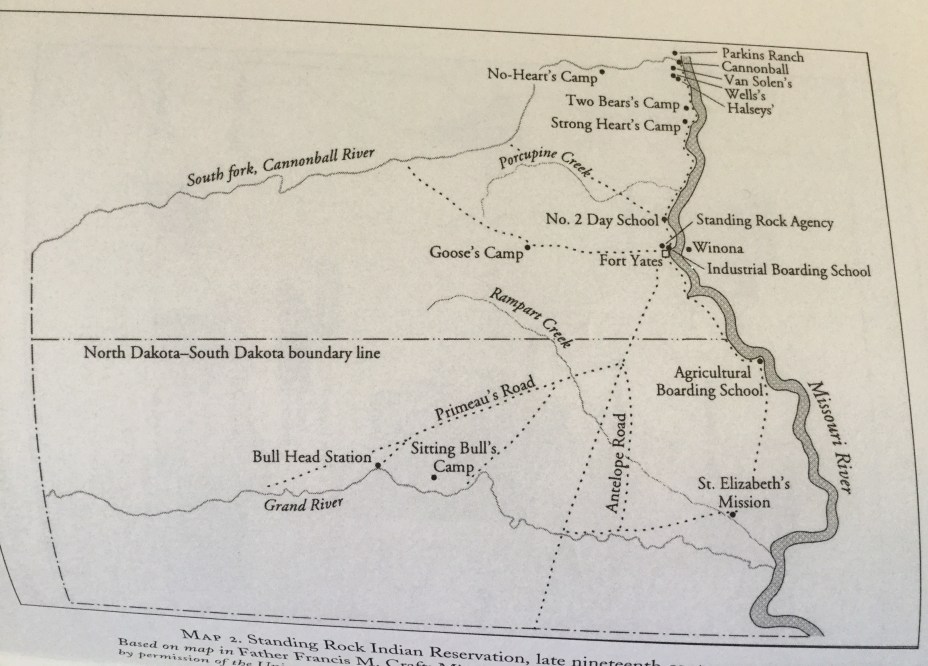
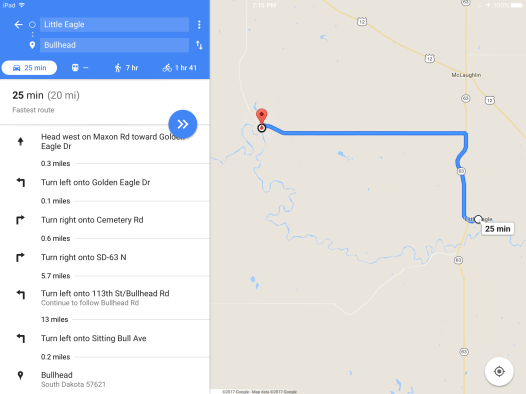
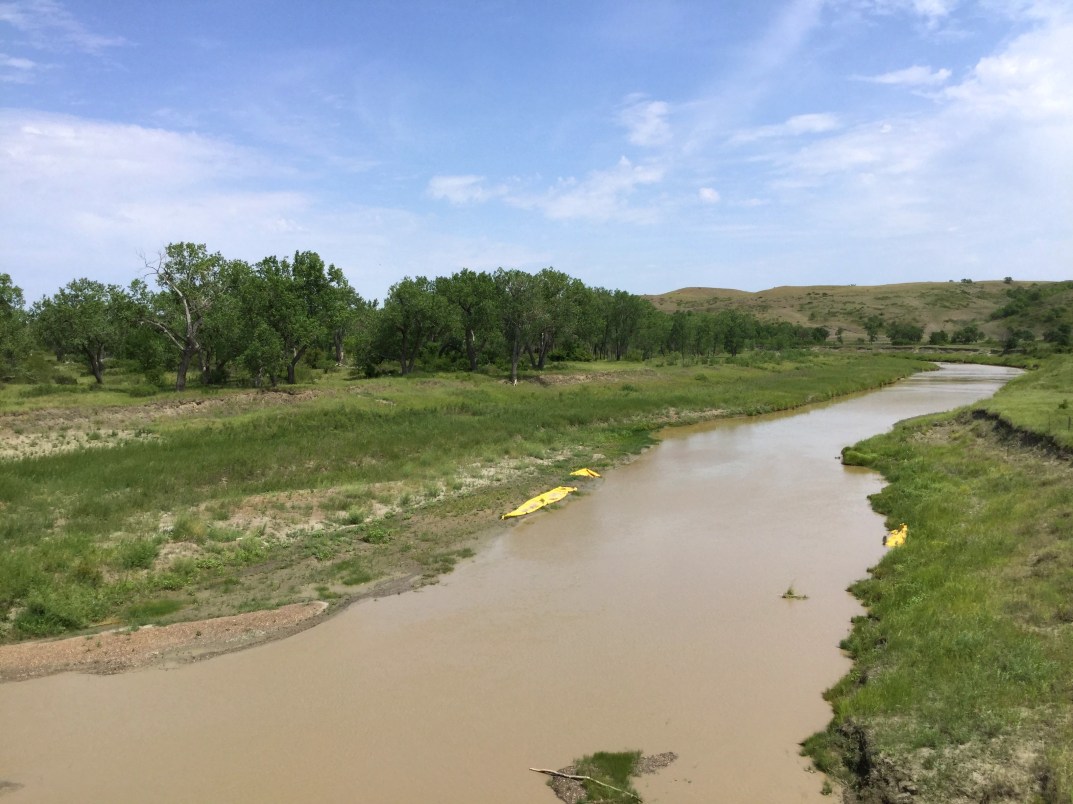
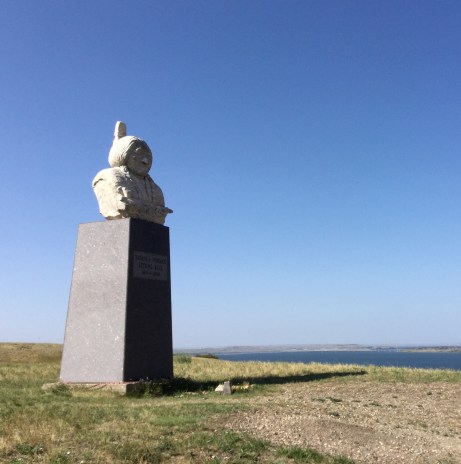
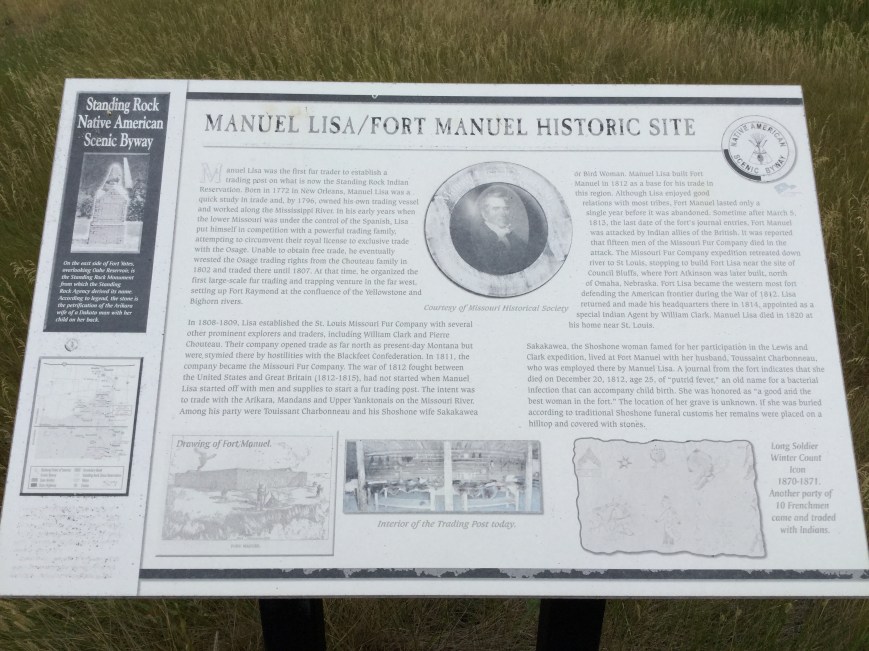

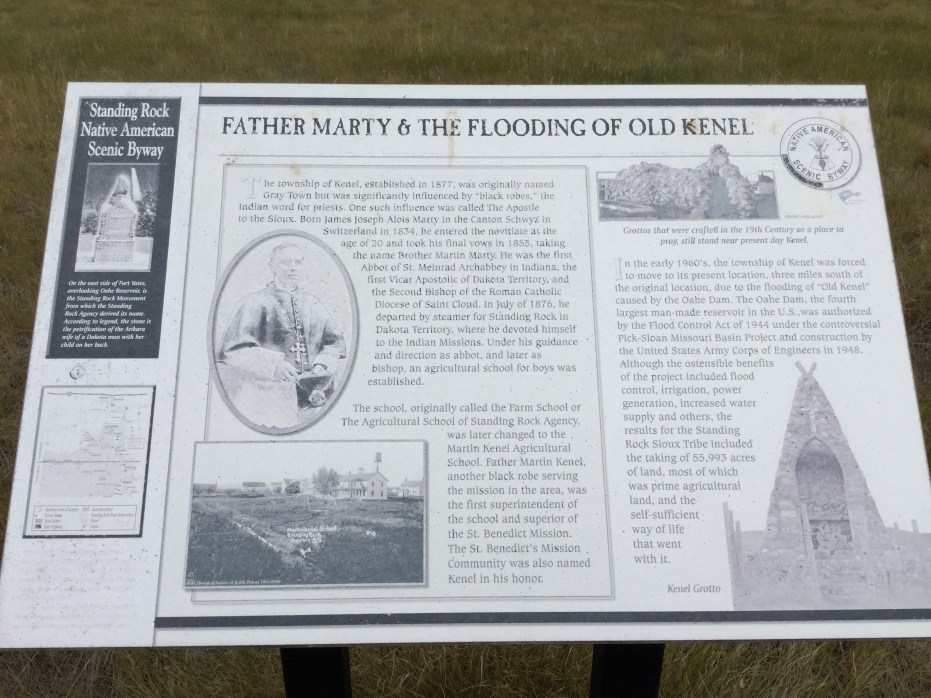 and:
and:
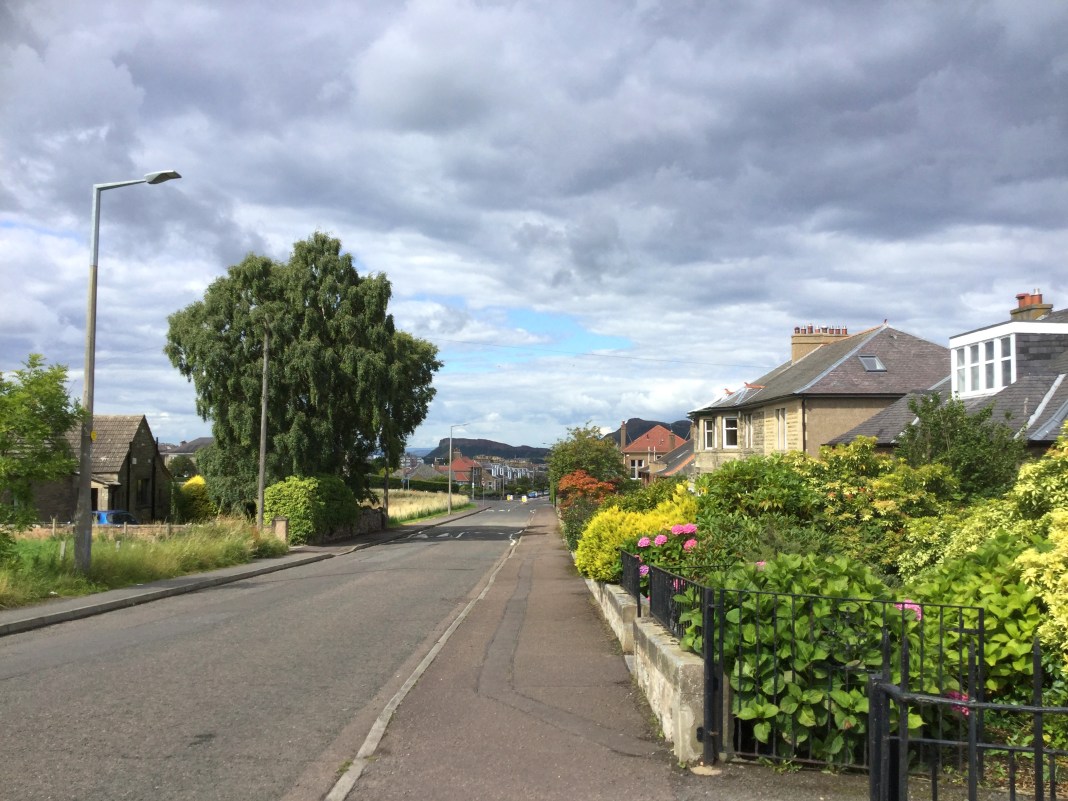
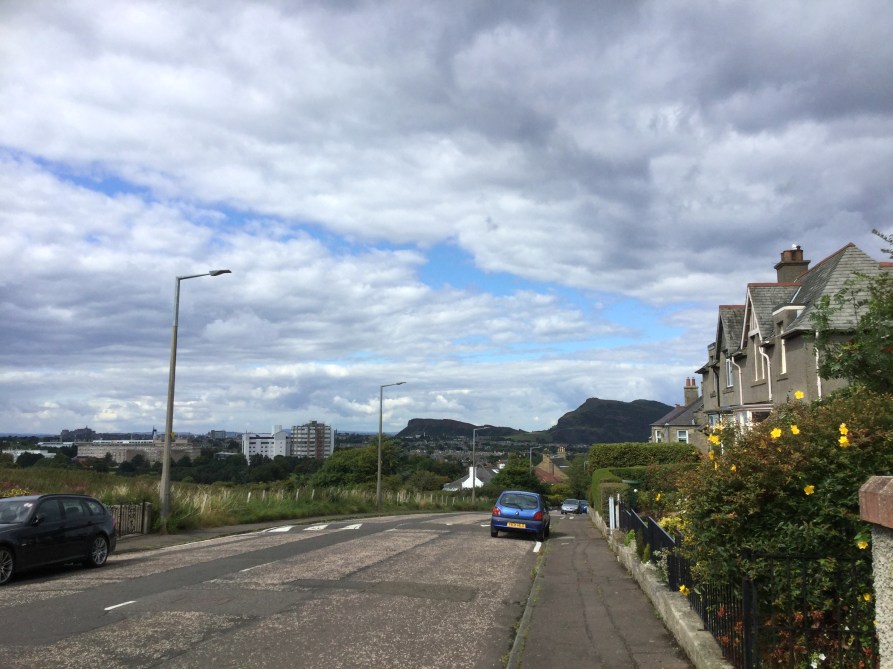
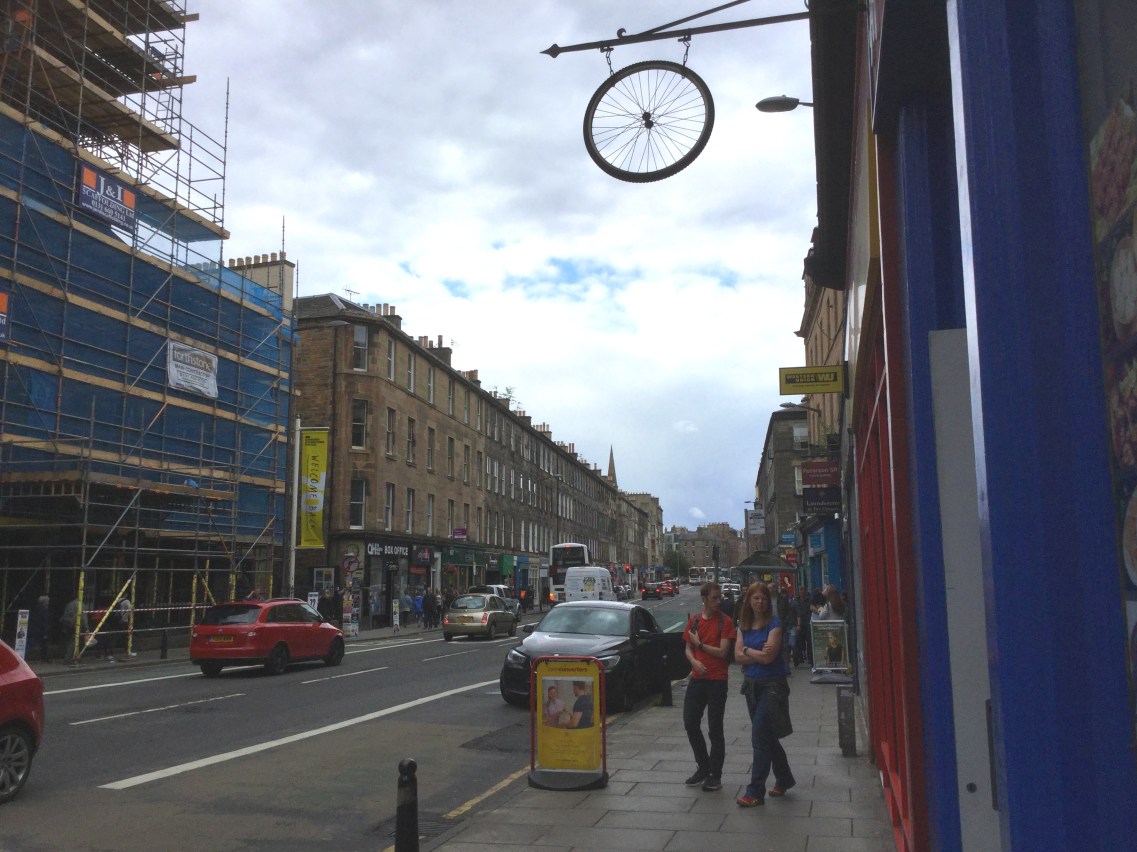
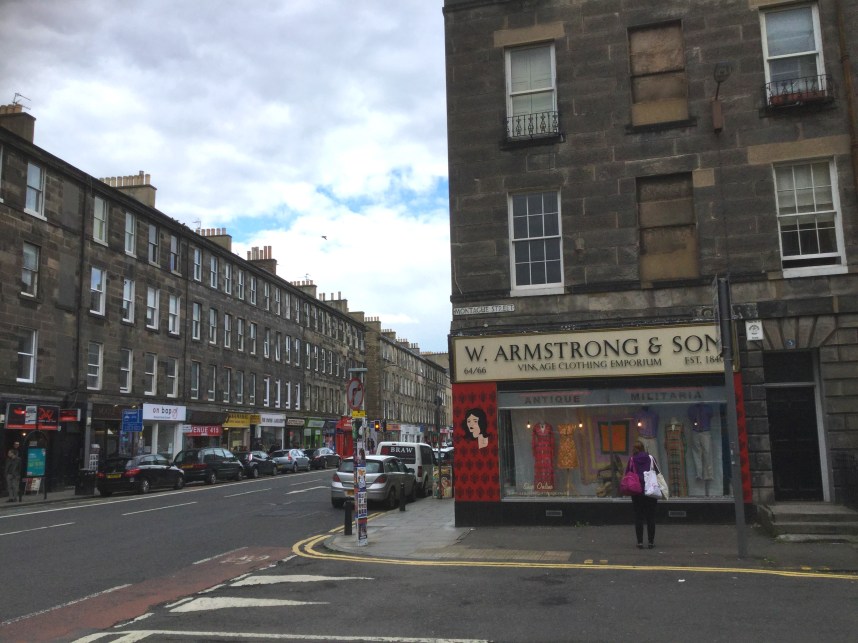

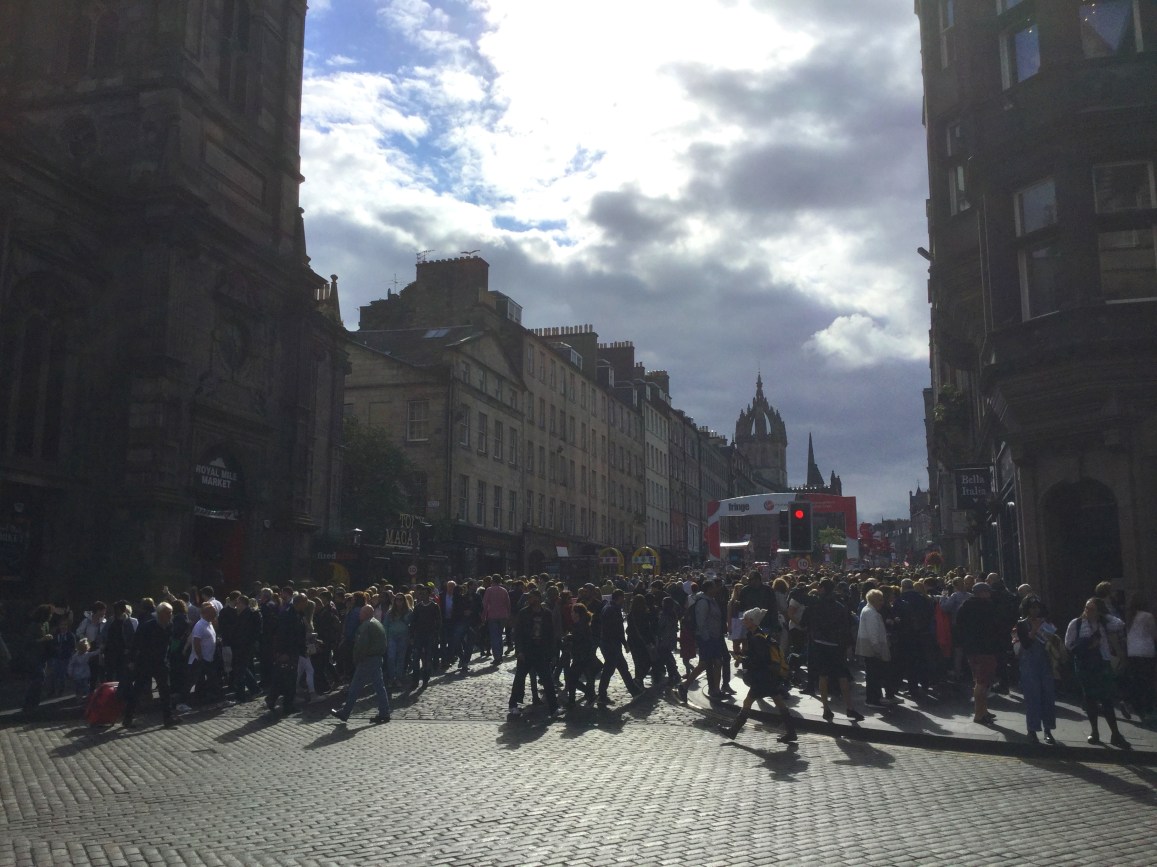
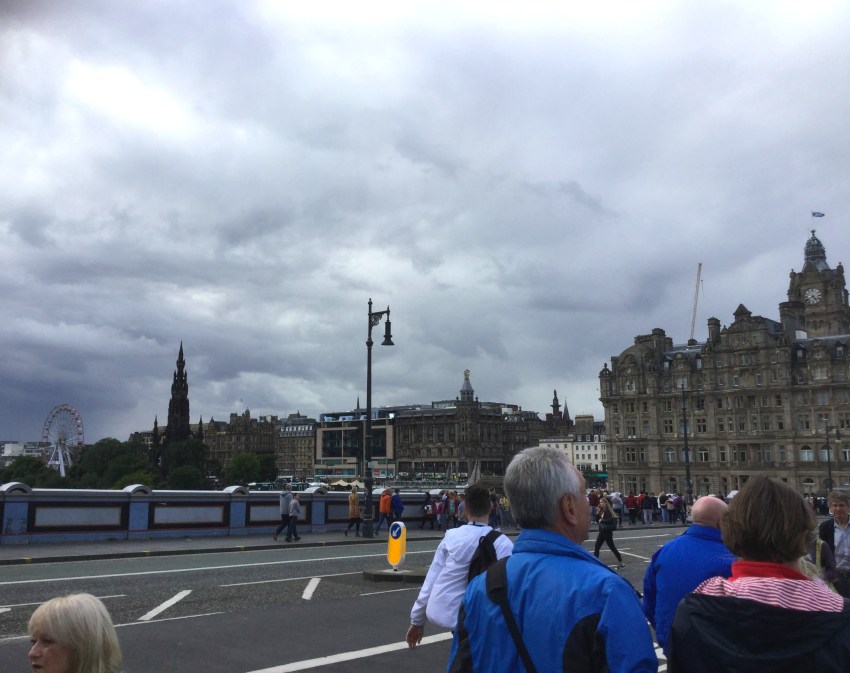
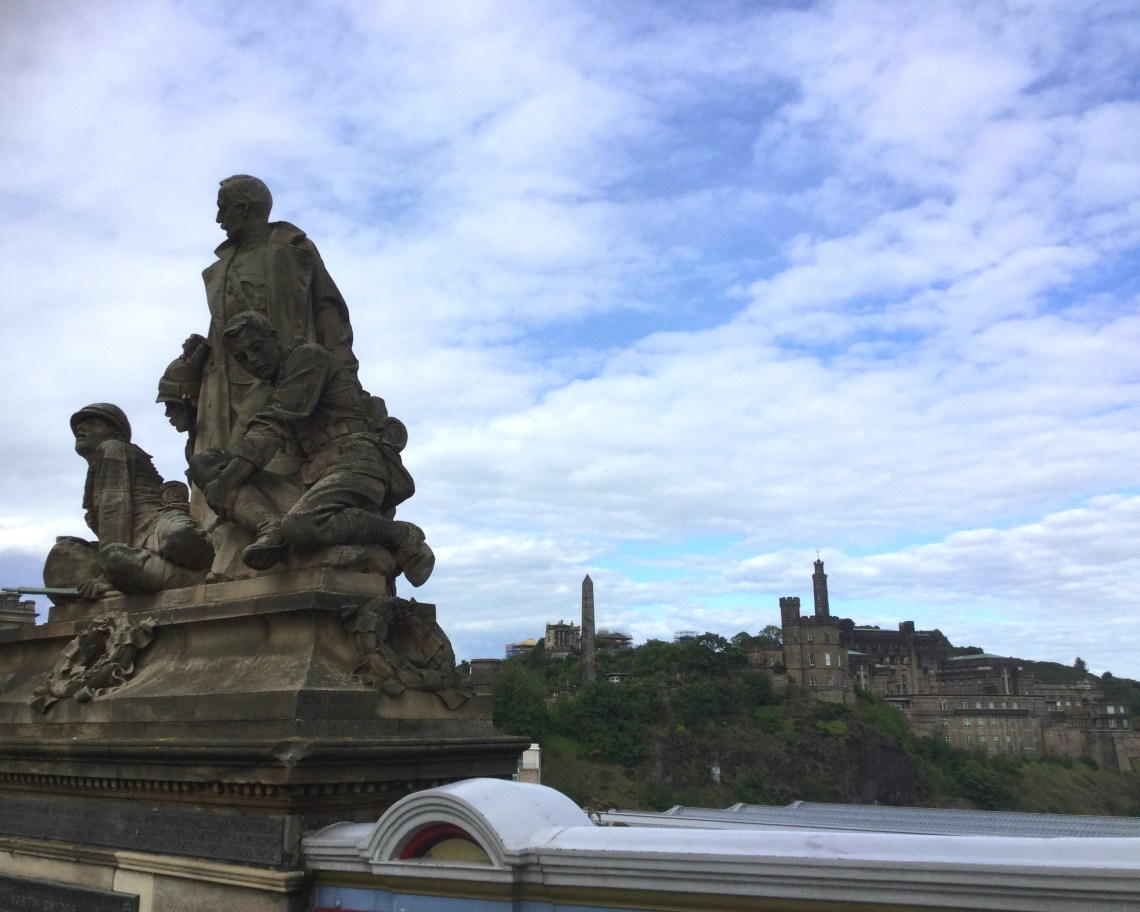
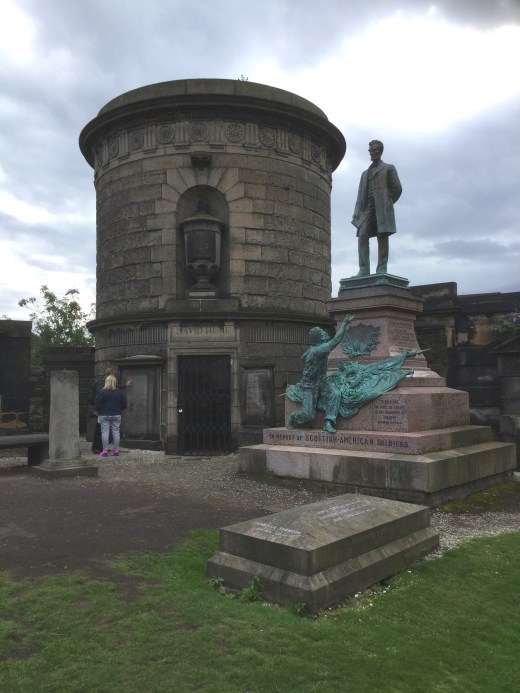
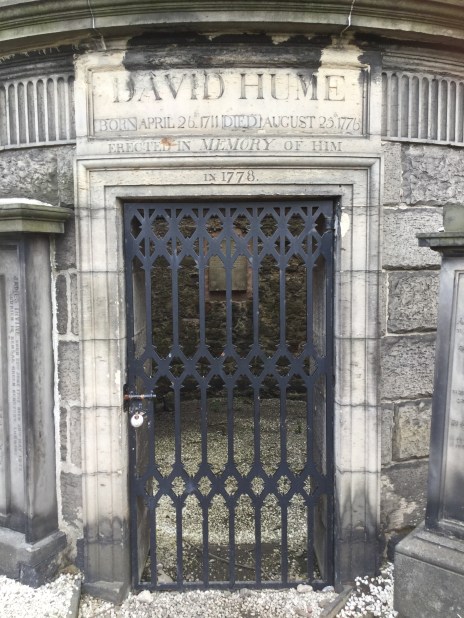
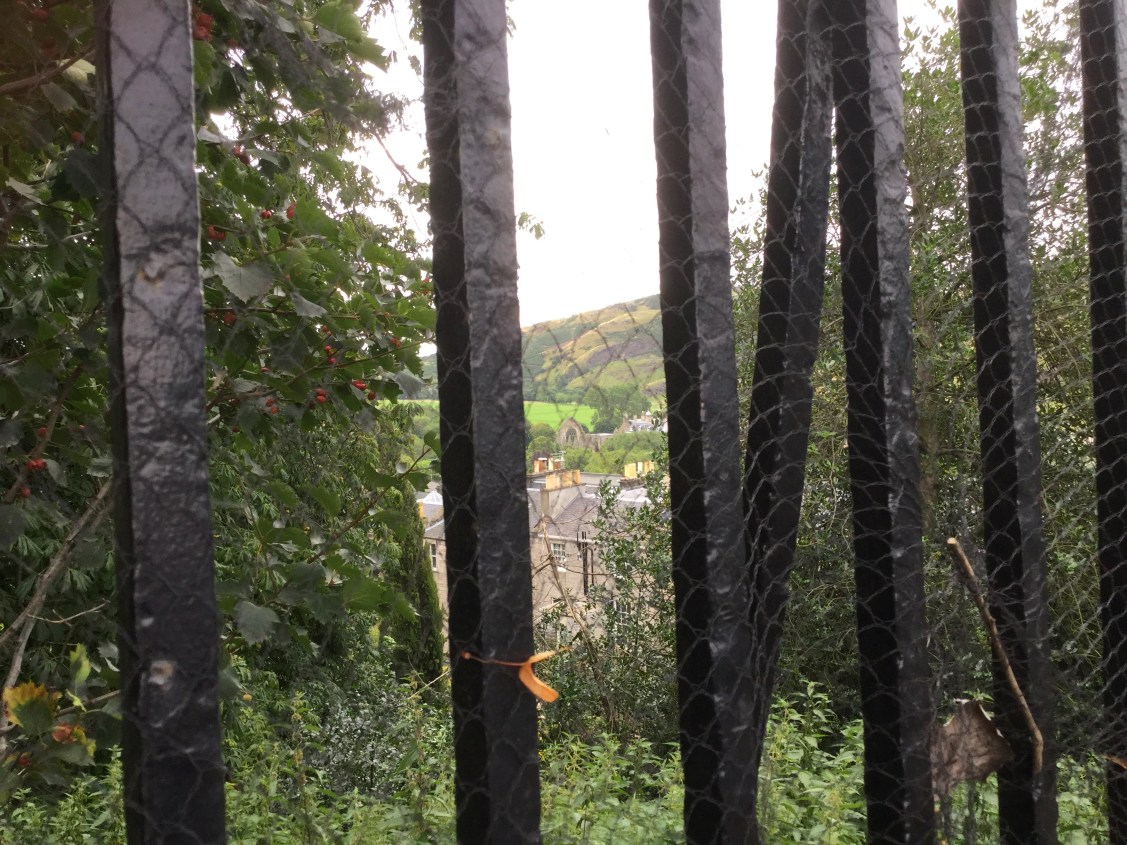
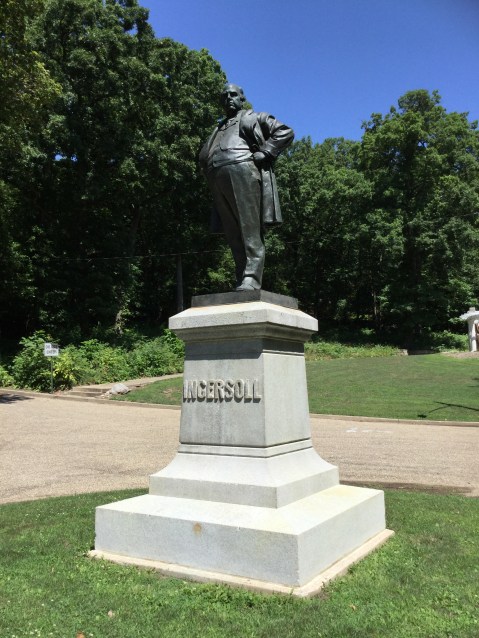
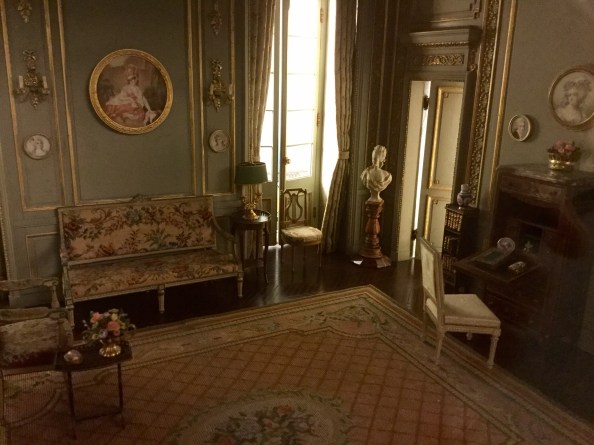

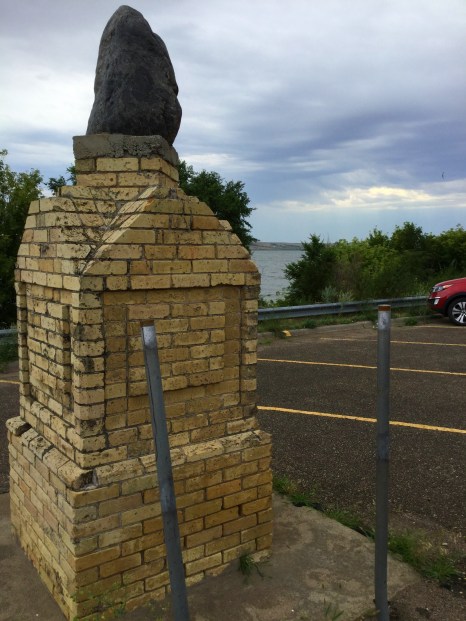

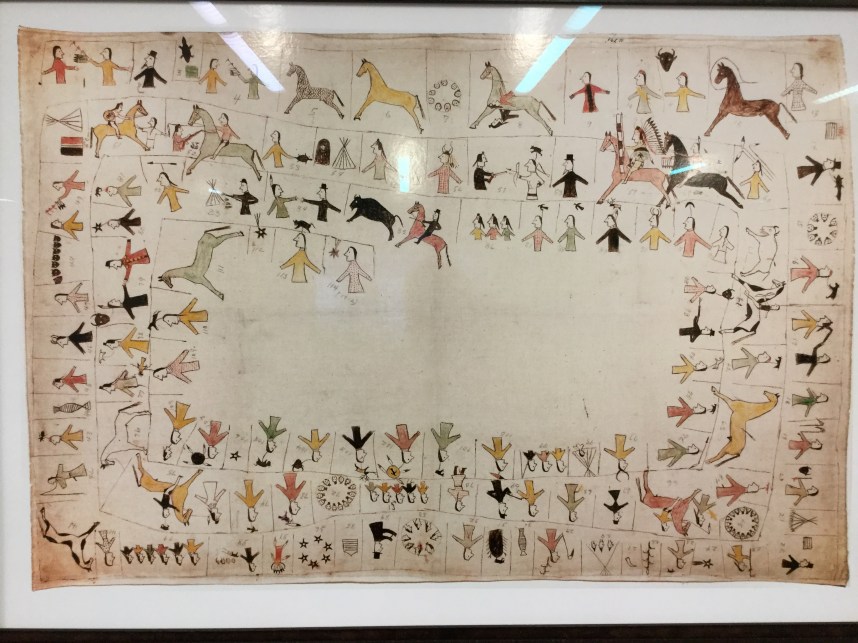
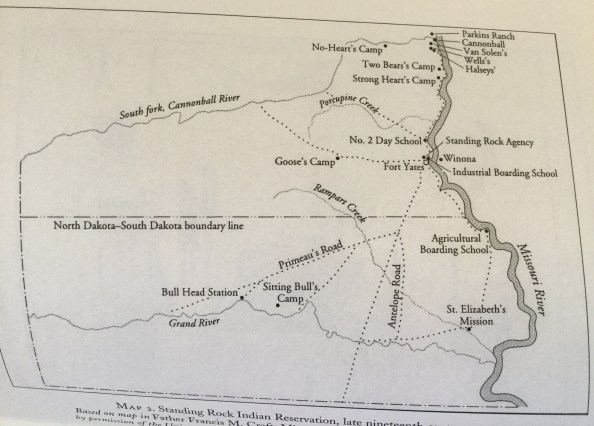

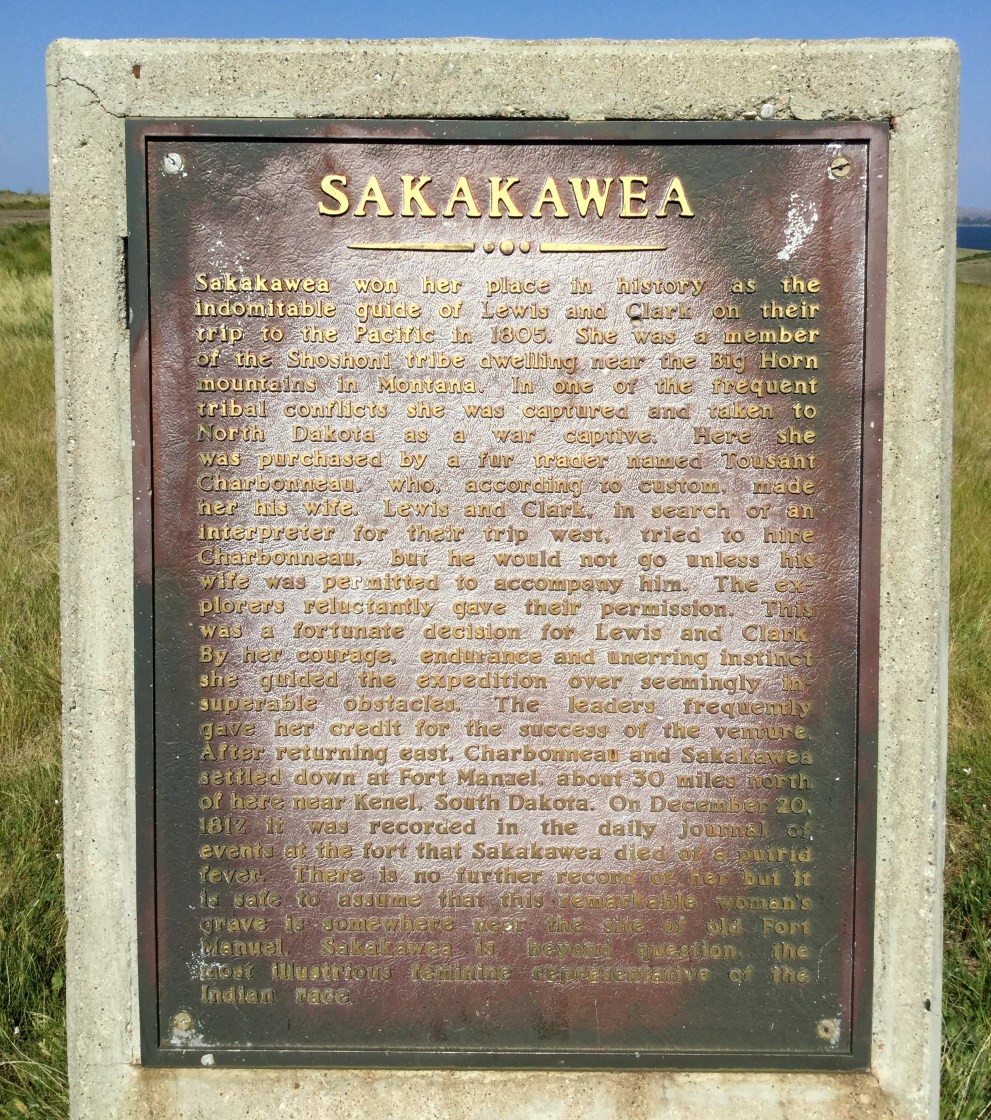


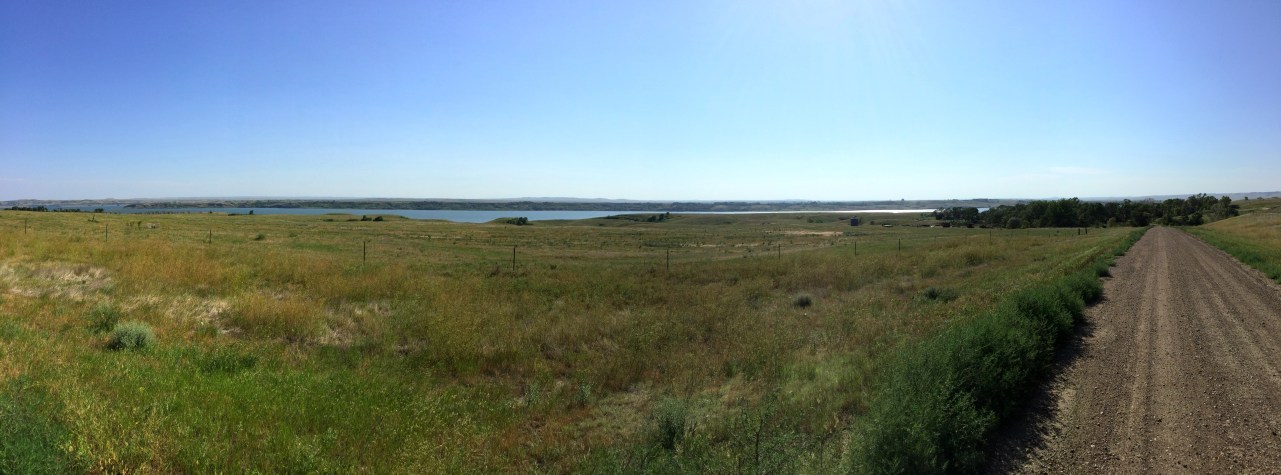
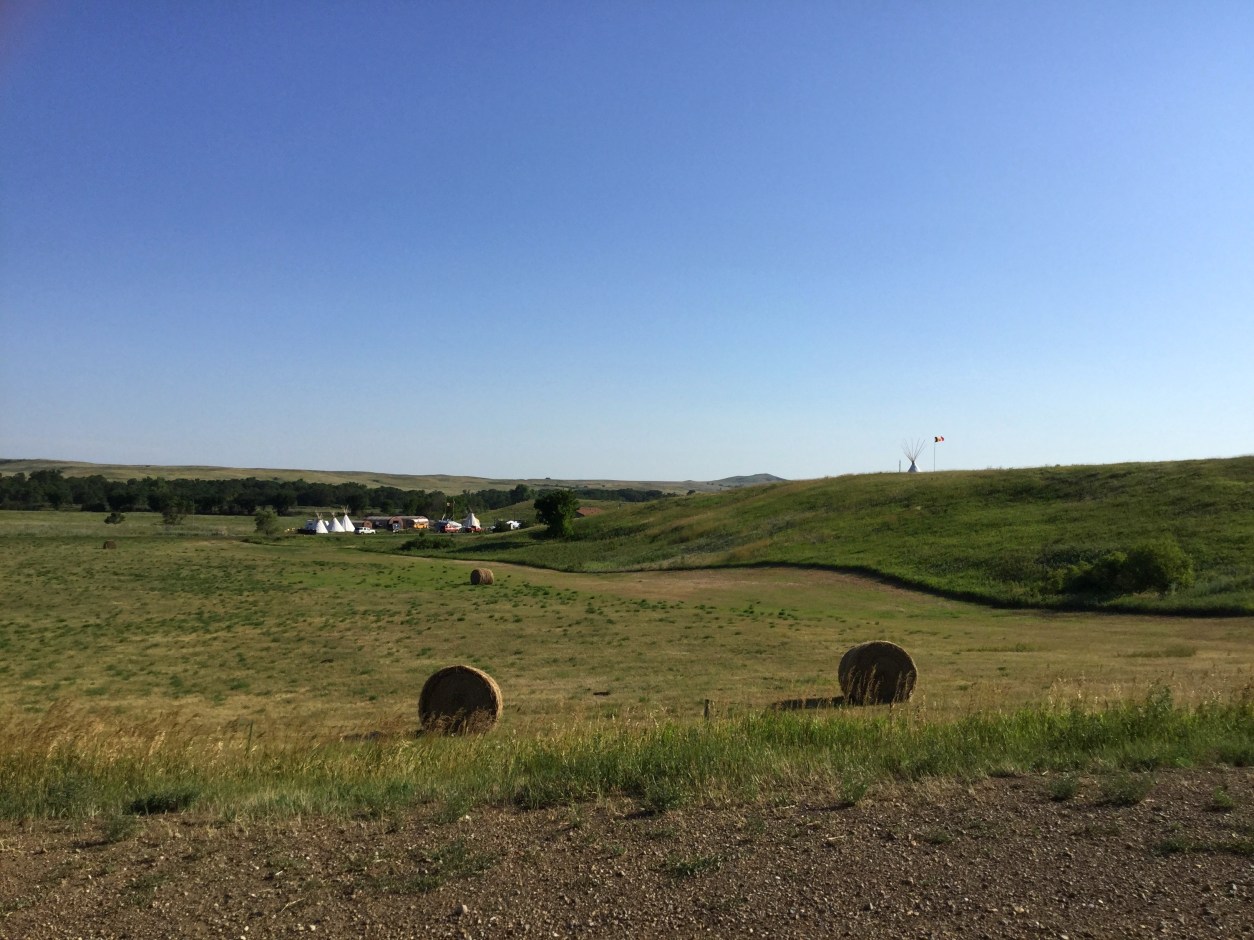
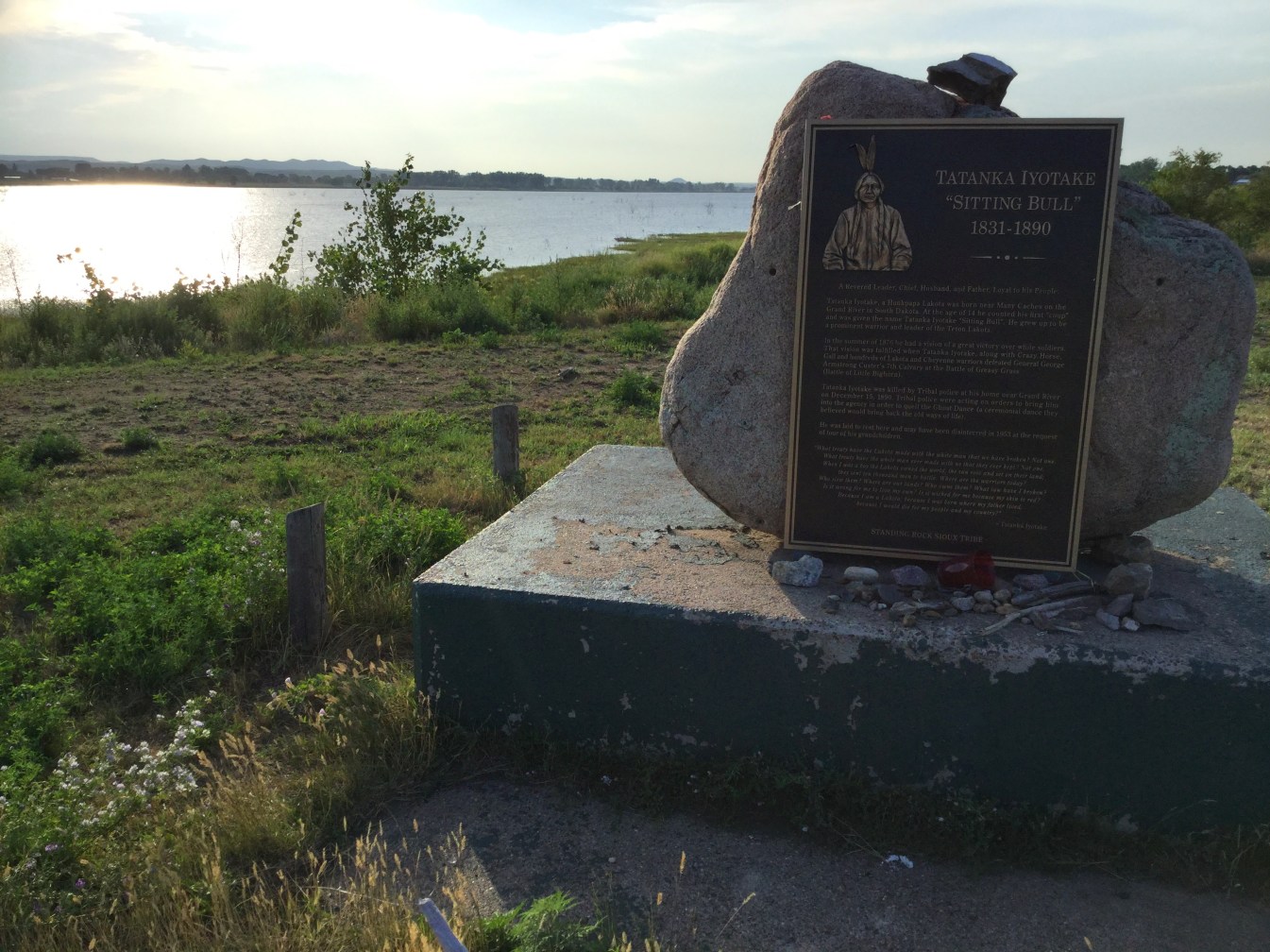

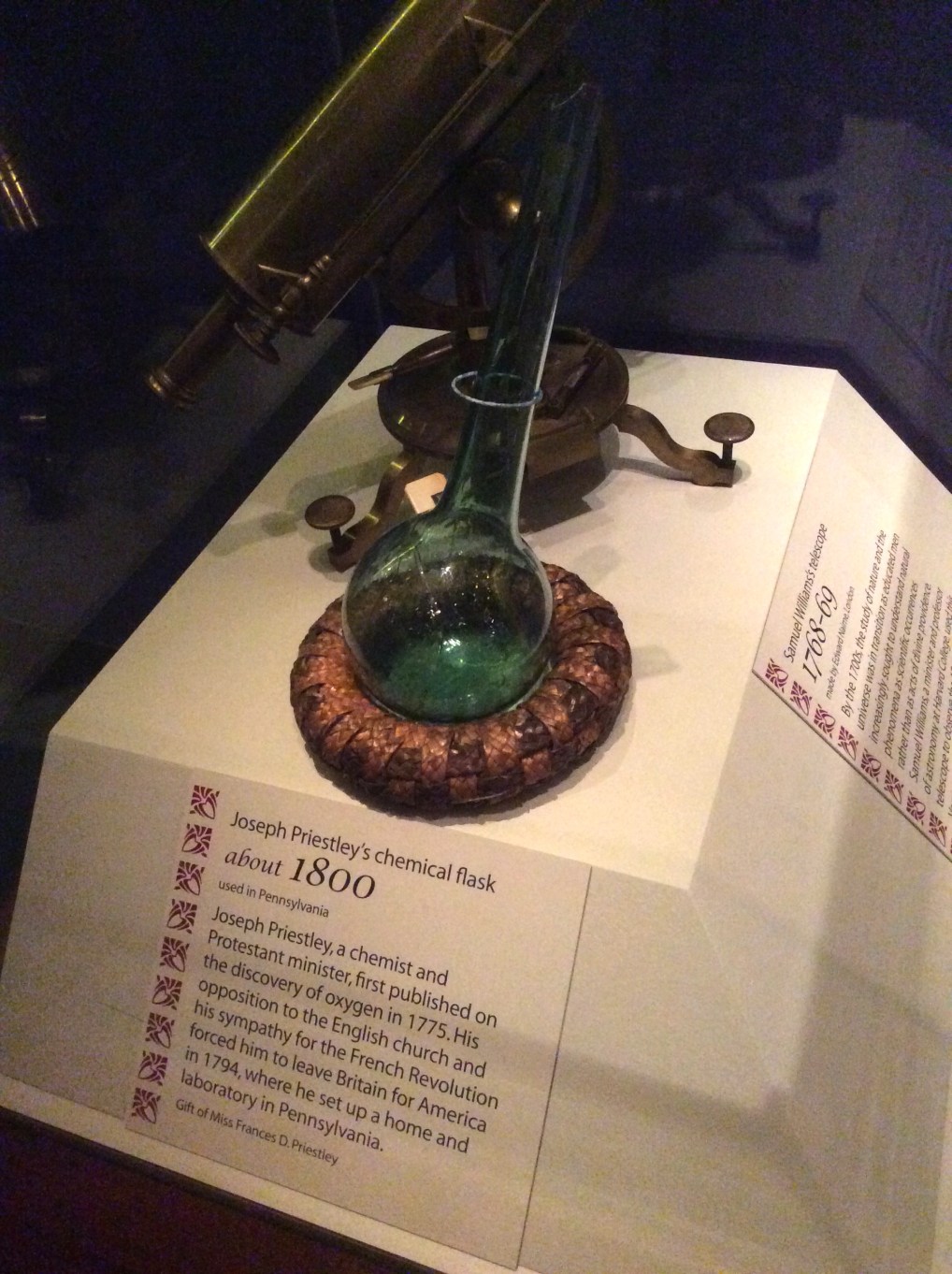
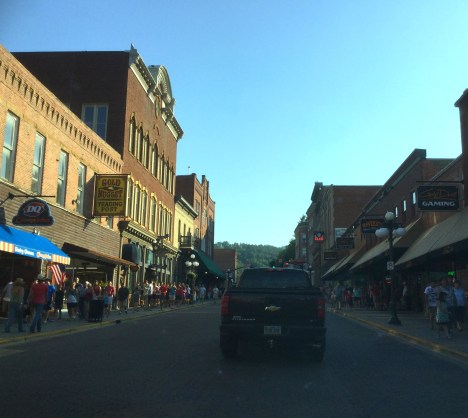
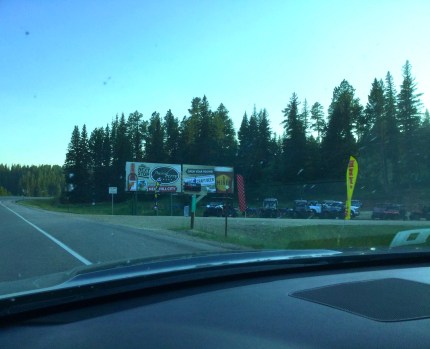
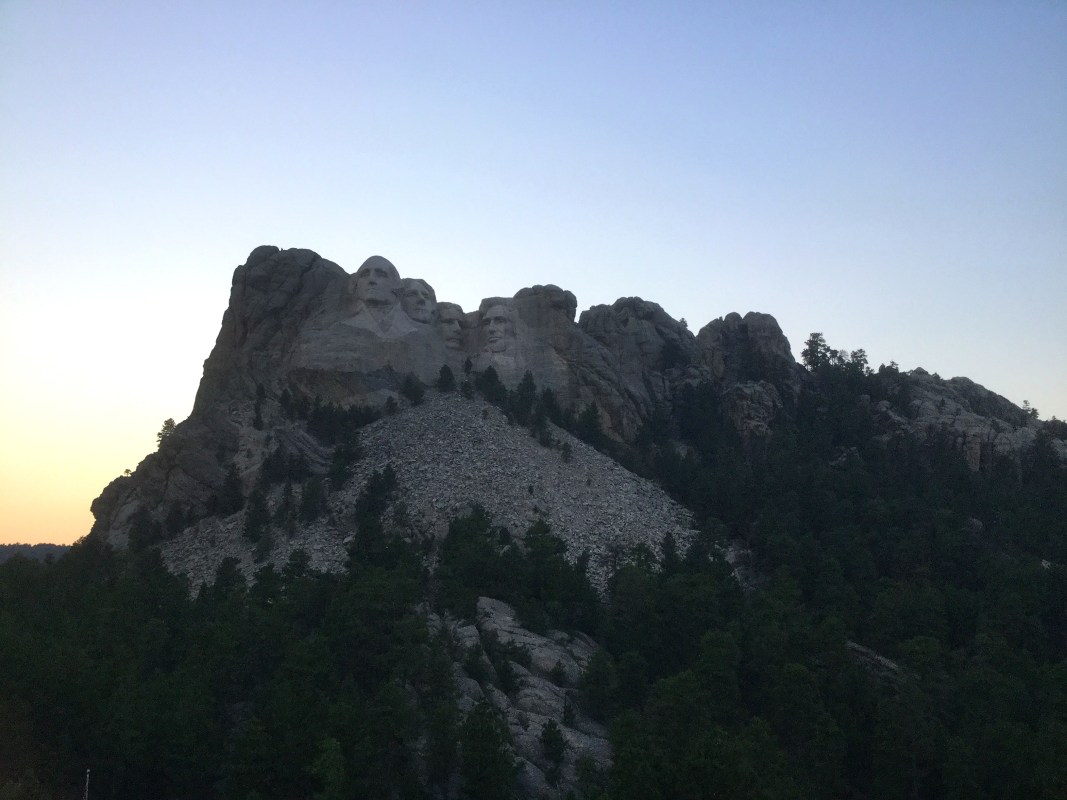
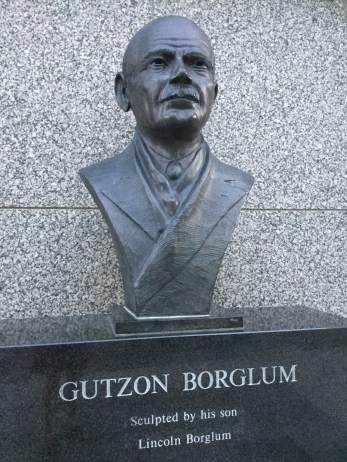
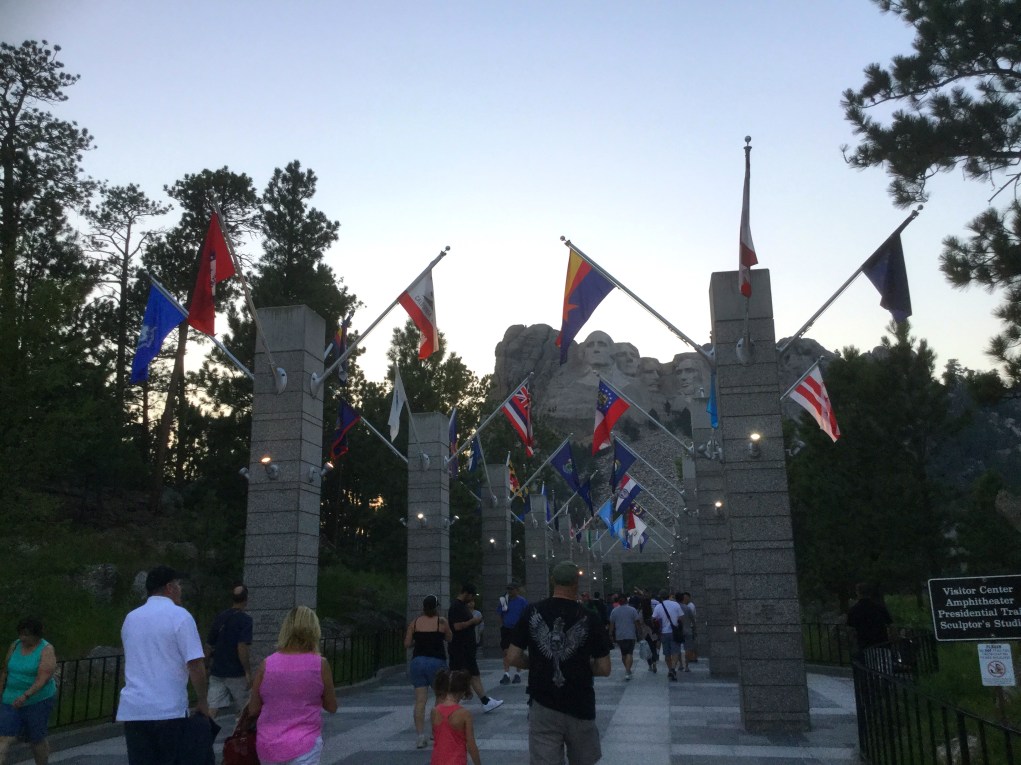
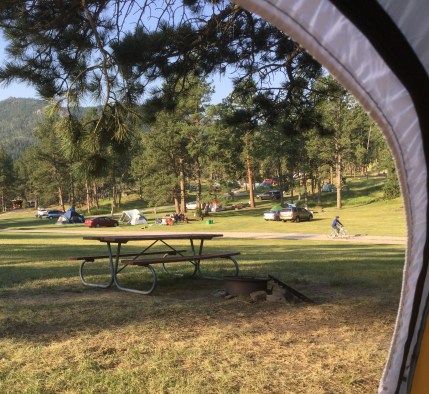
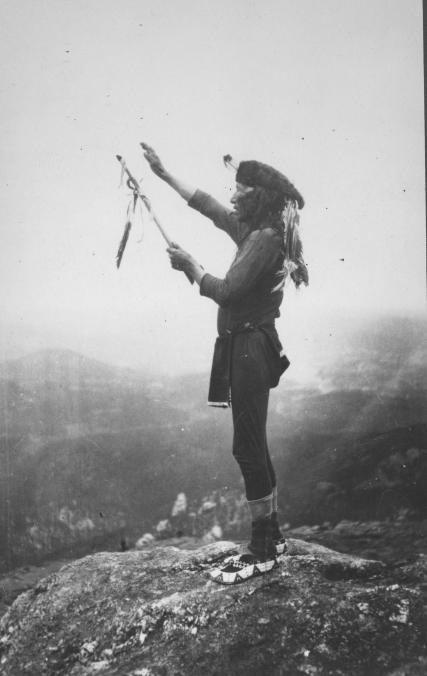
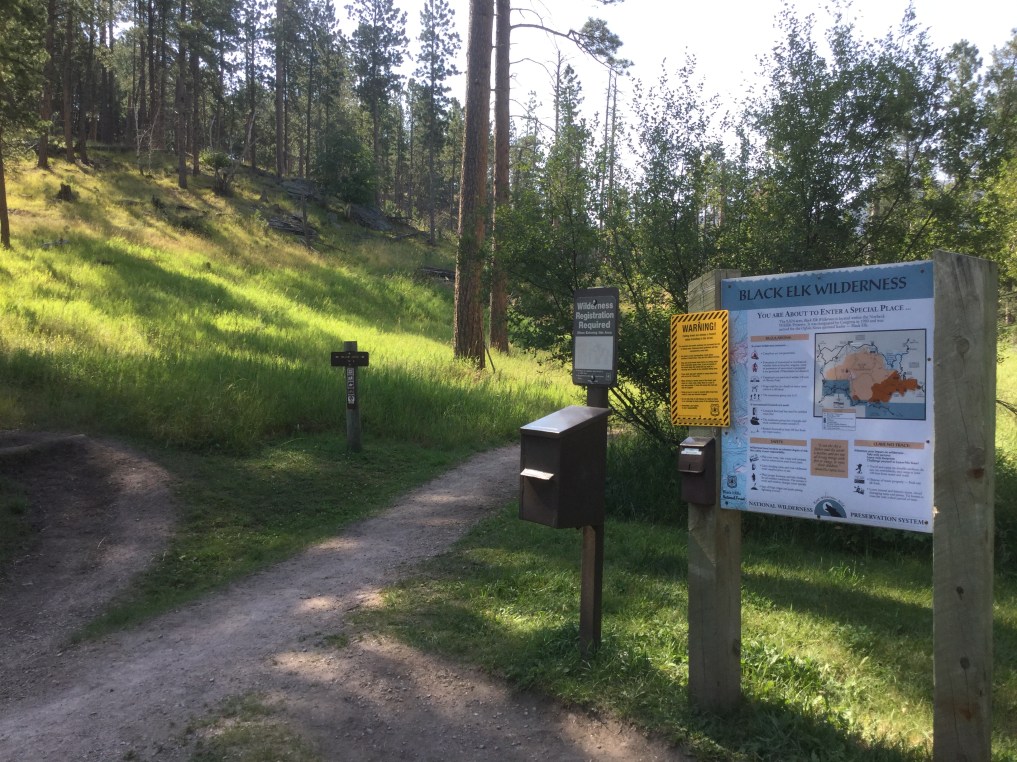
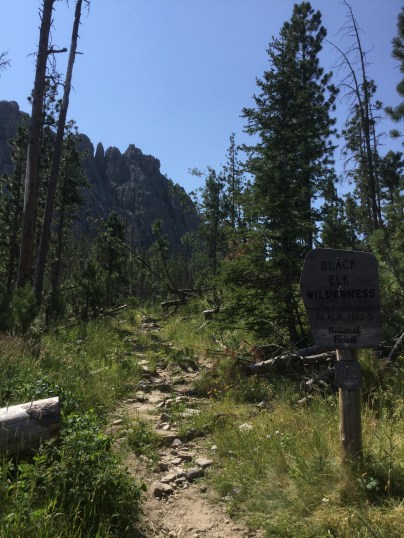
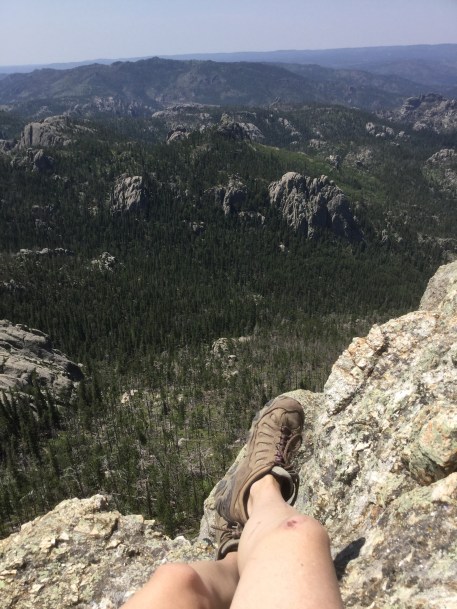
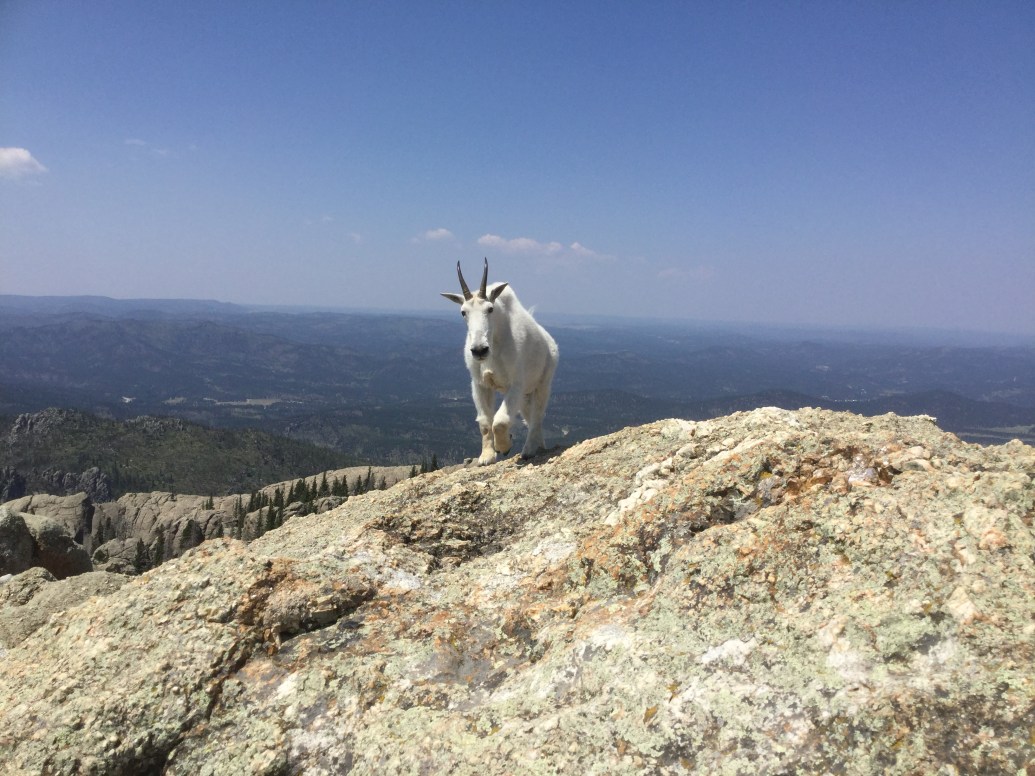
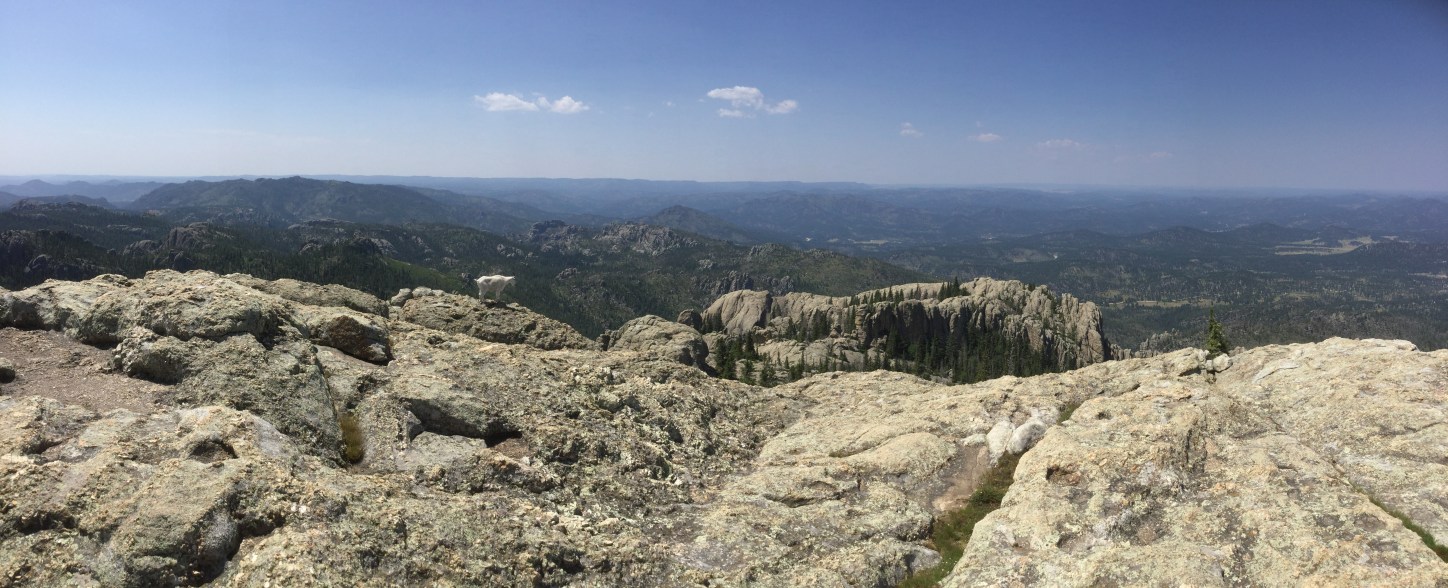
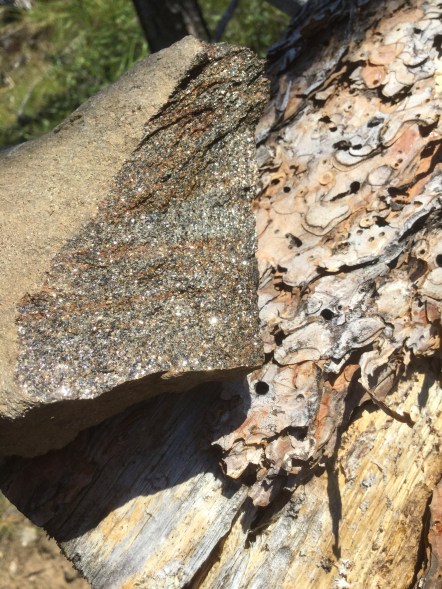
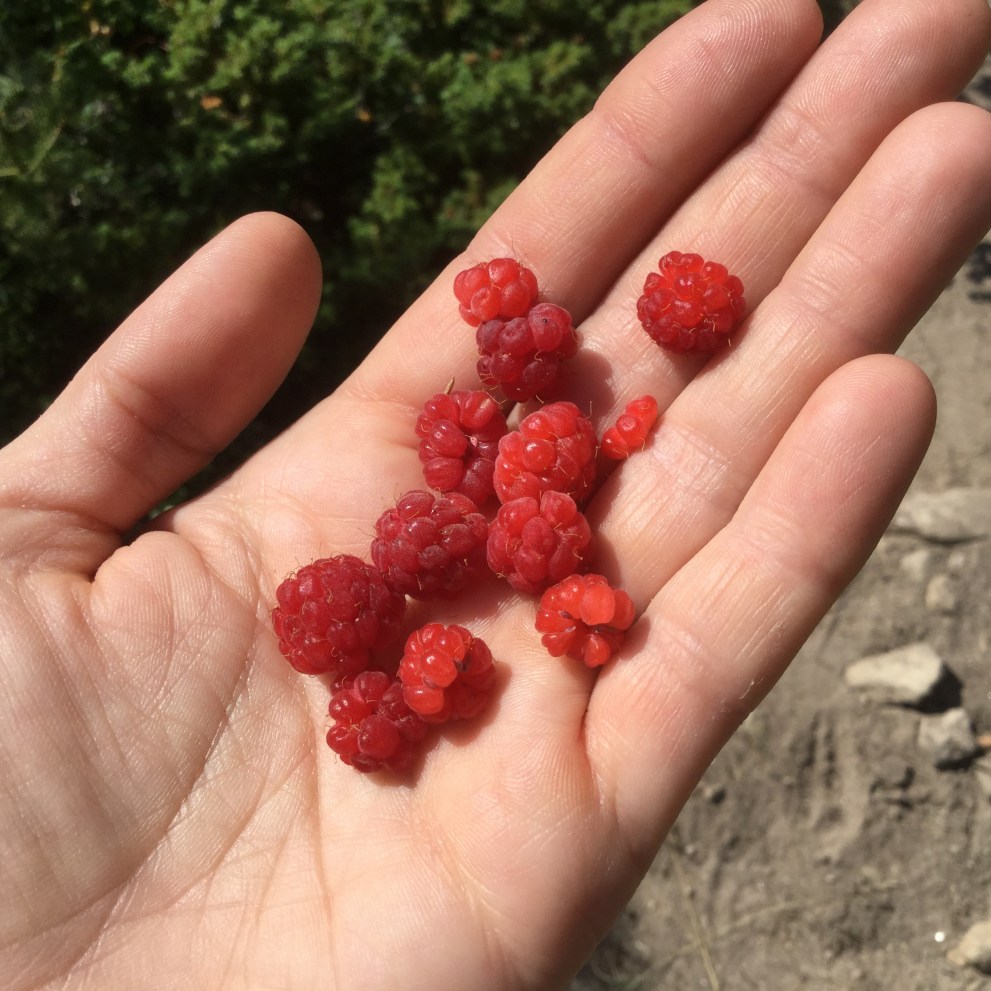
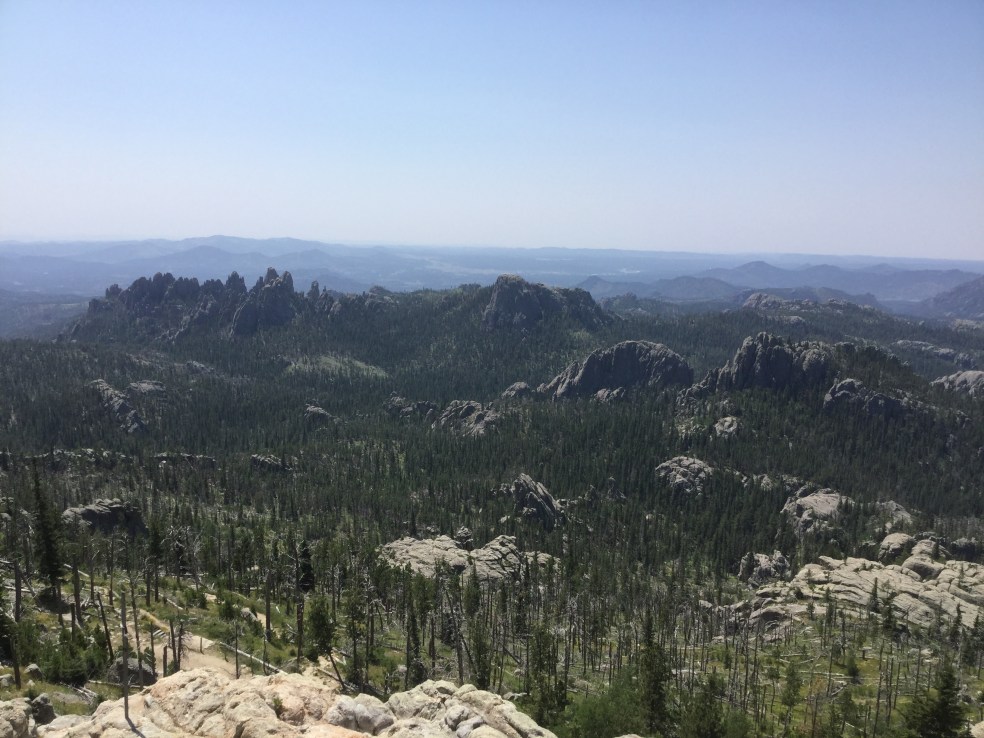
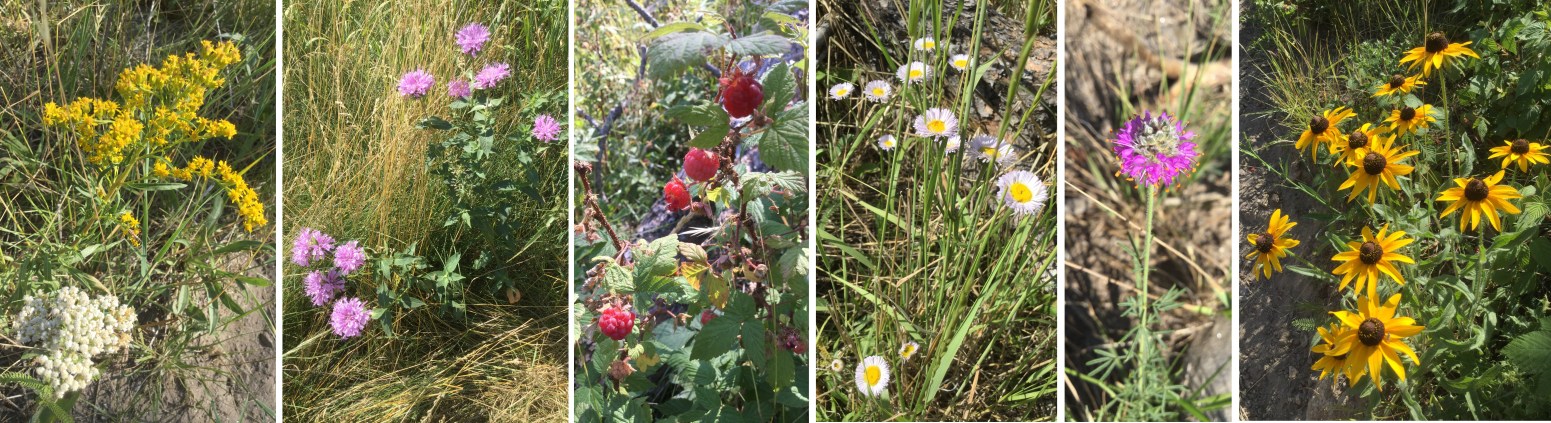
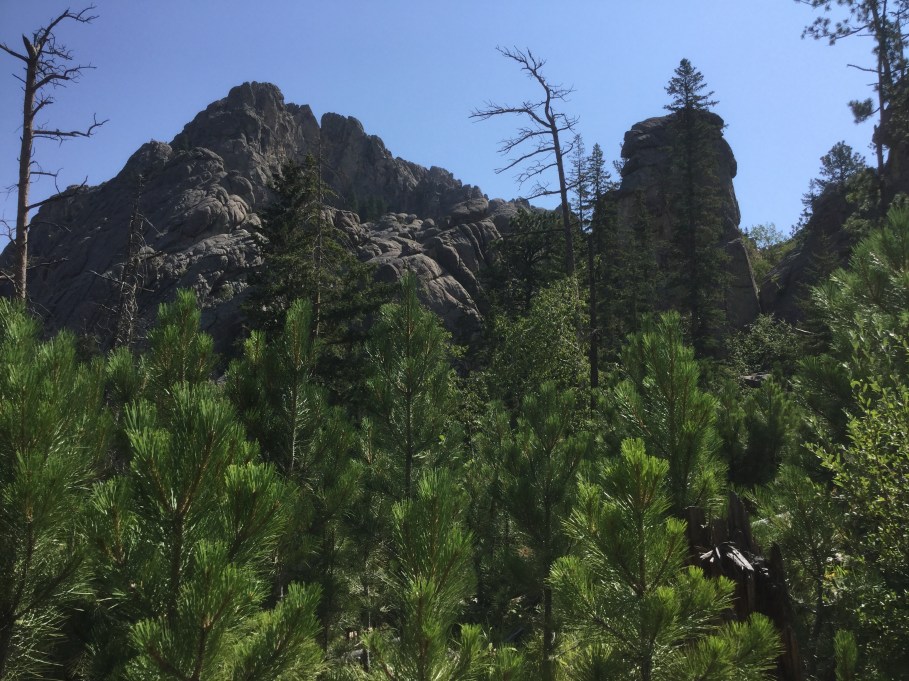
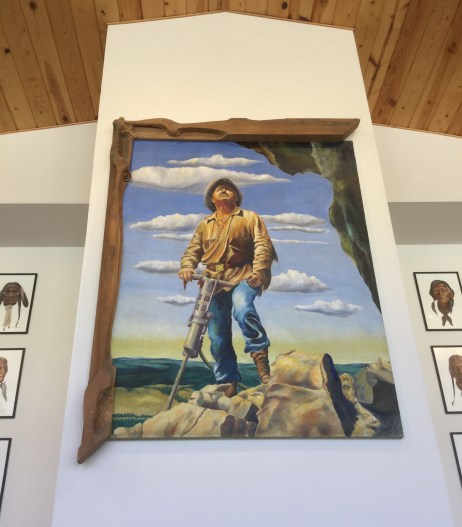
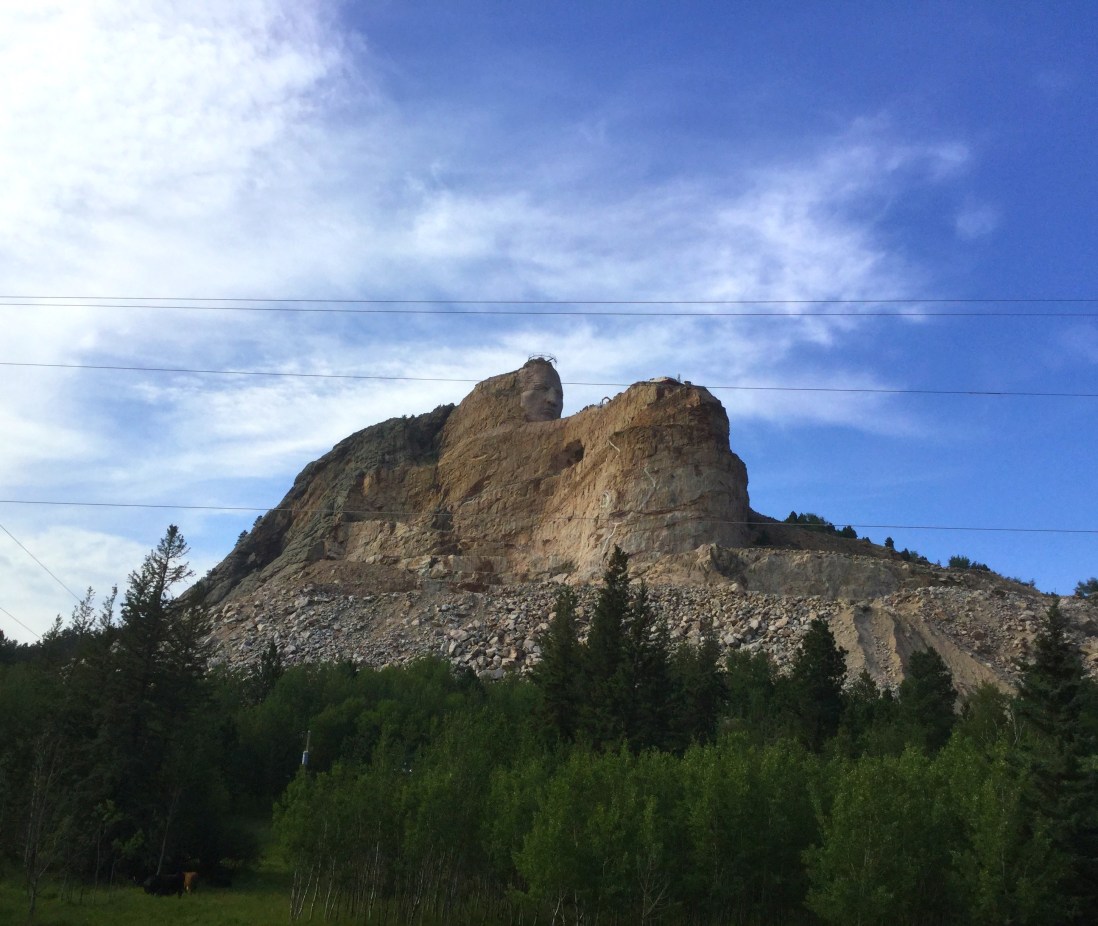
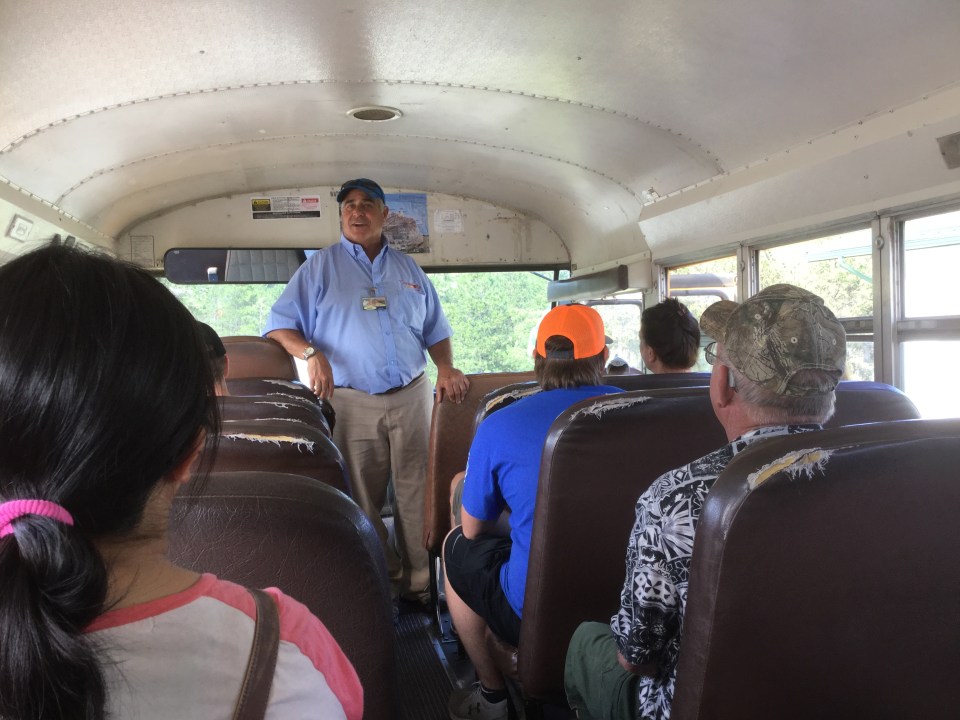
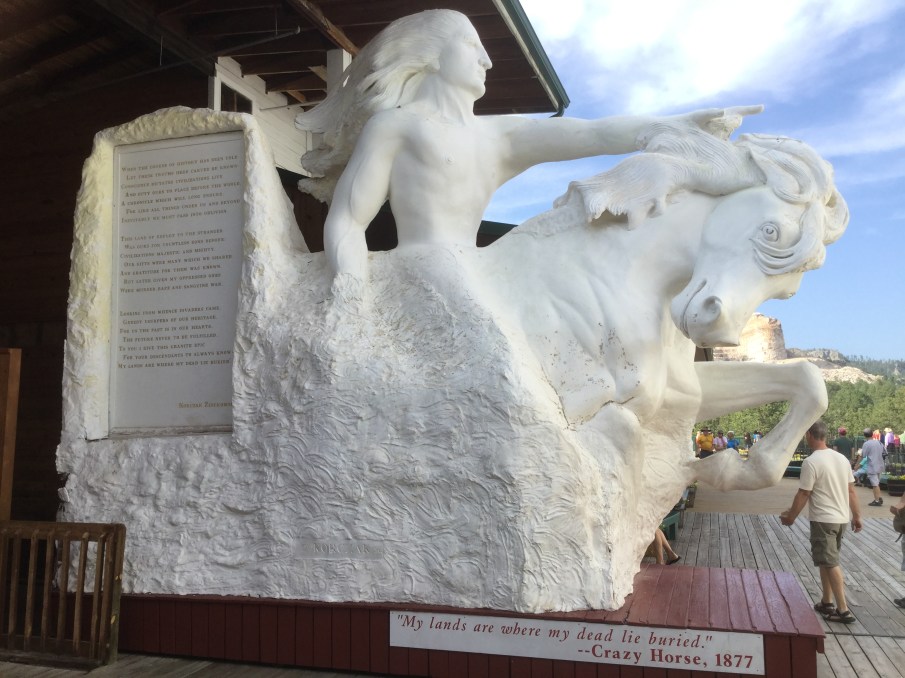
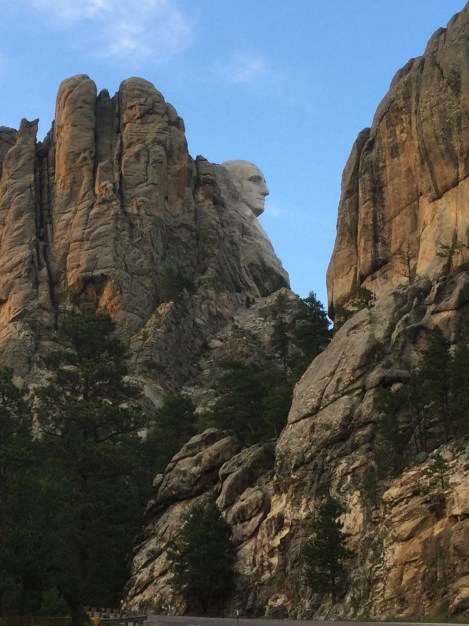

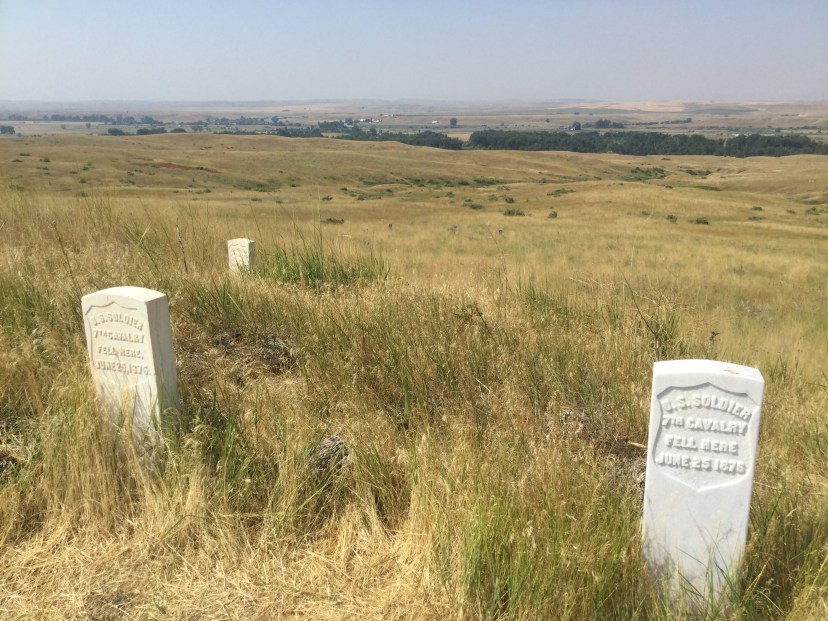
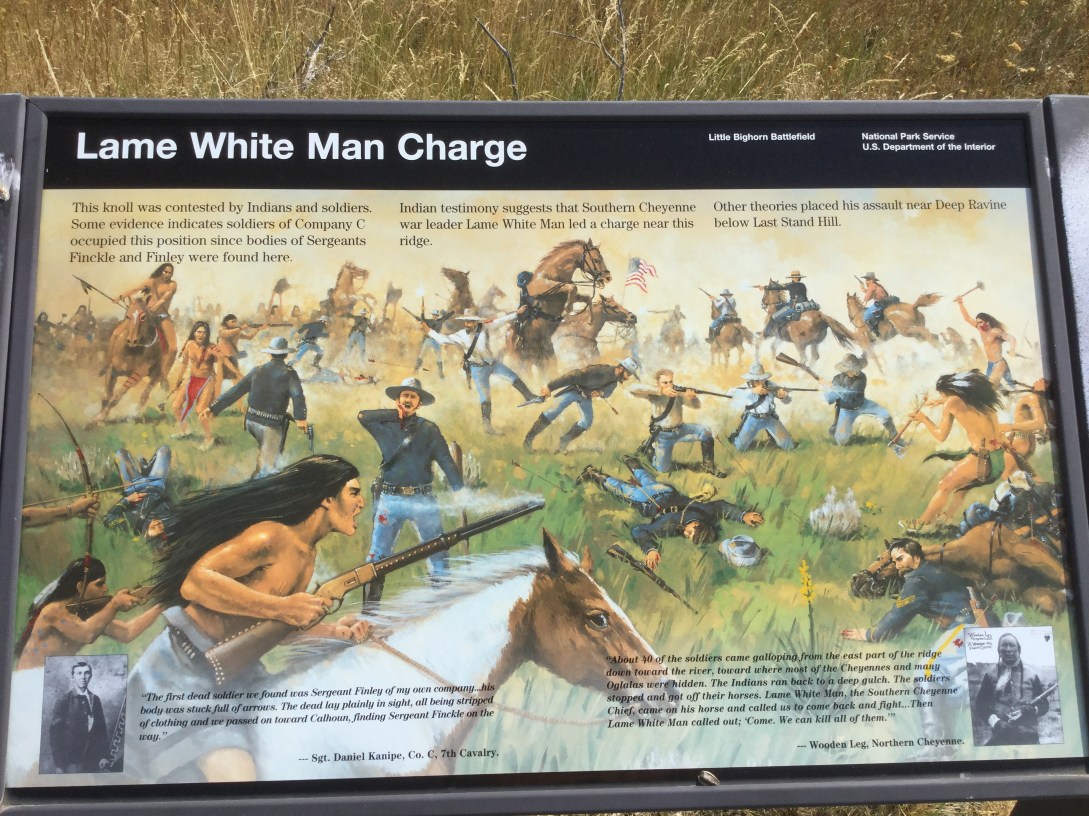
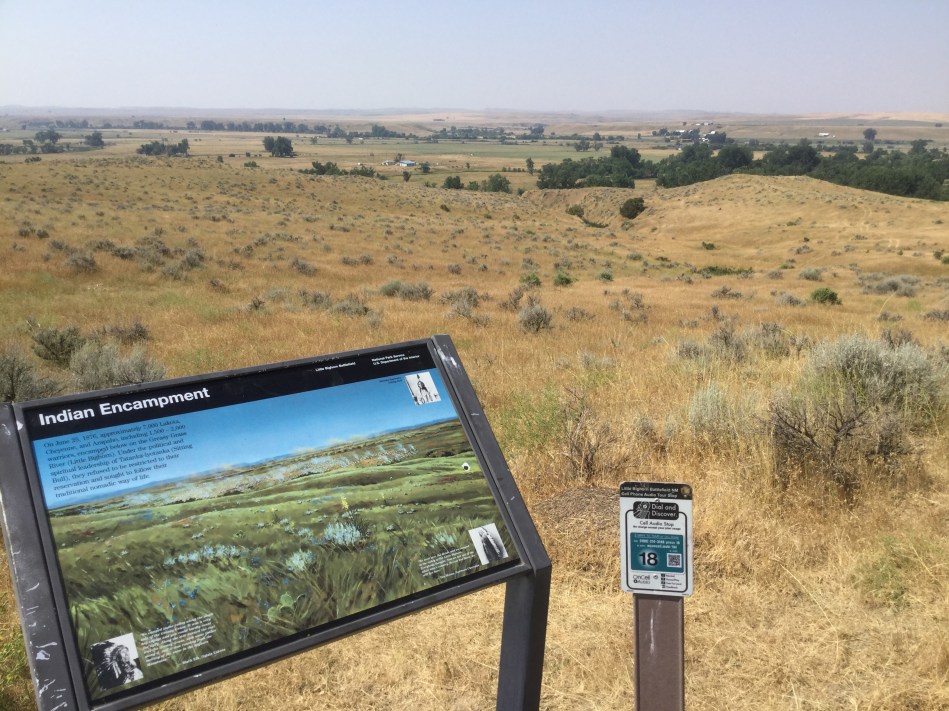
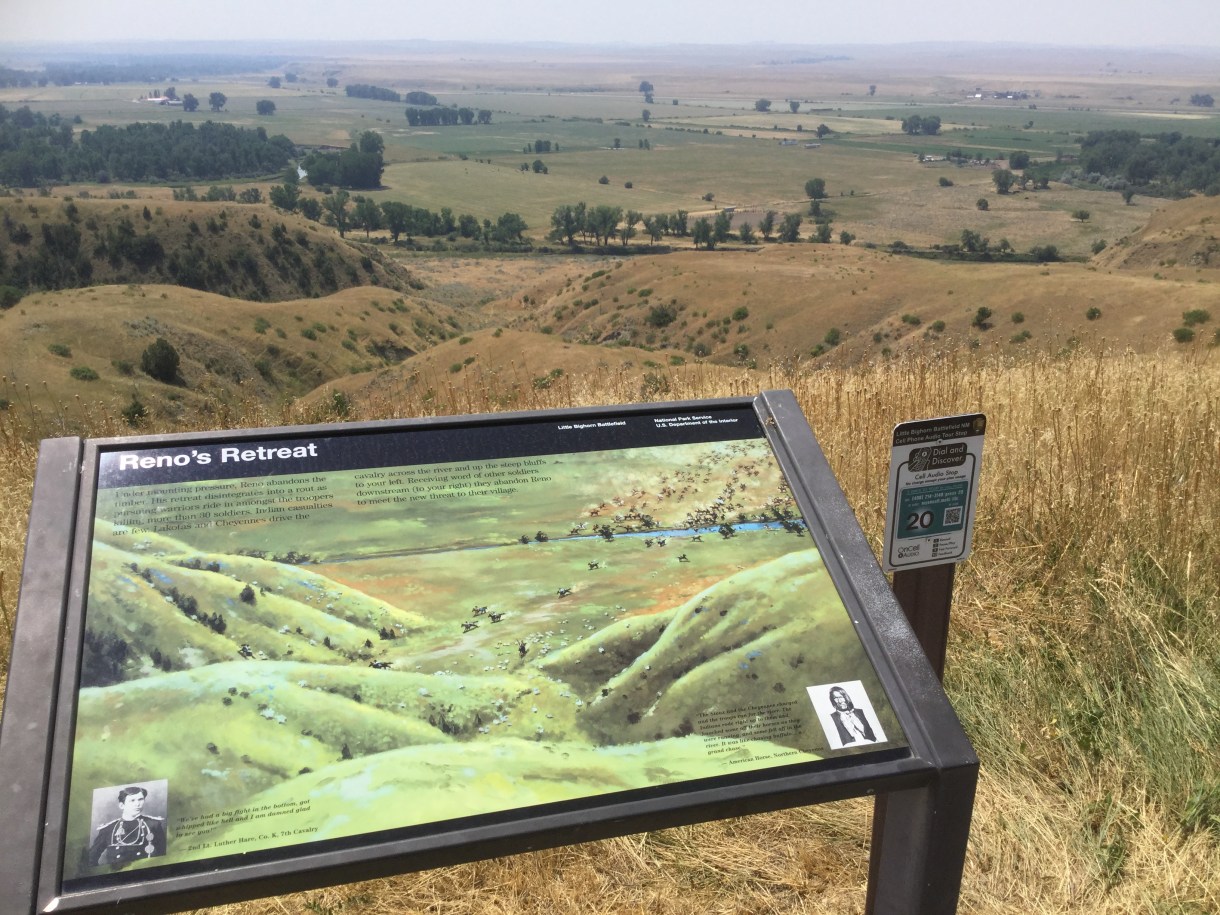
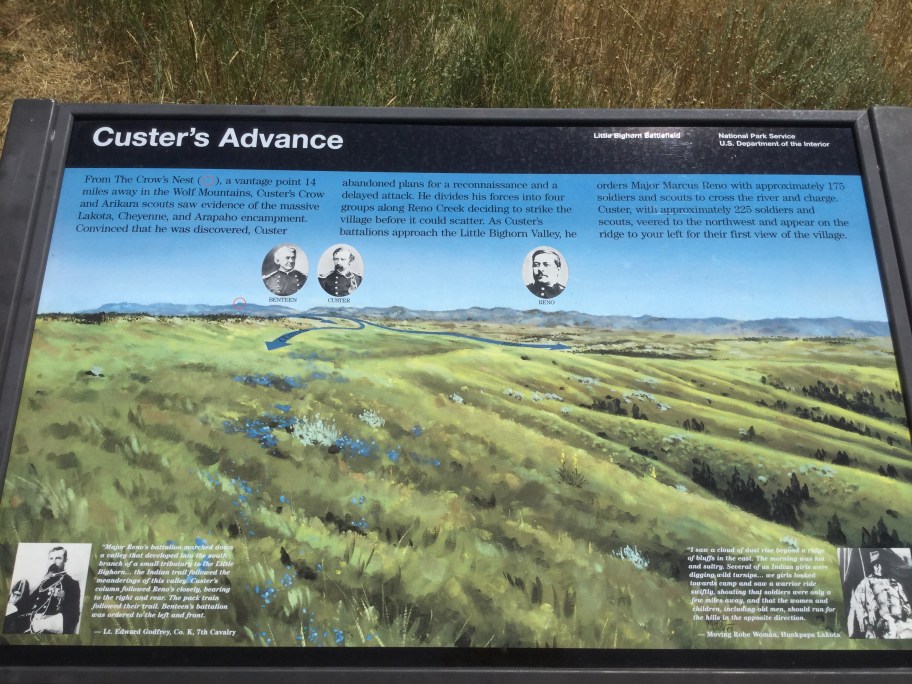
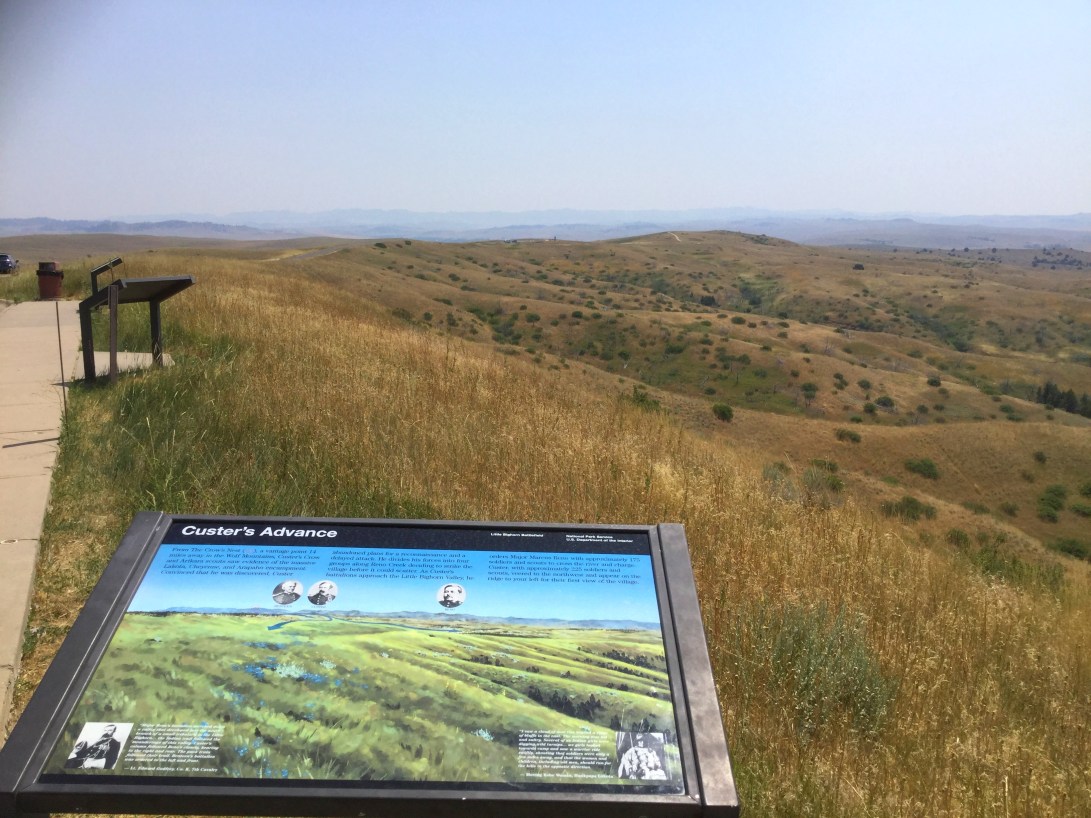
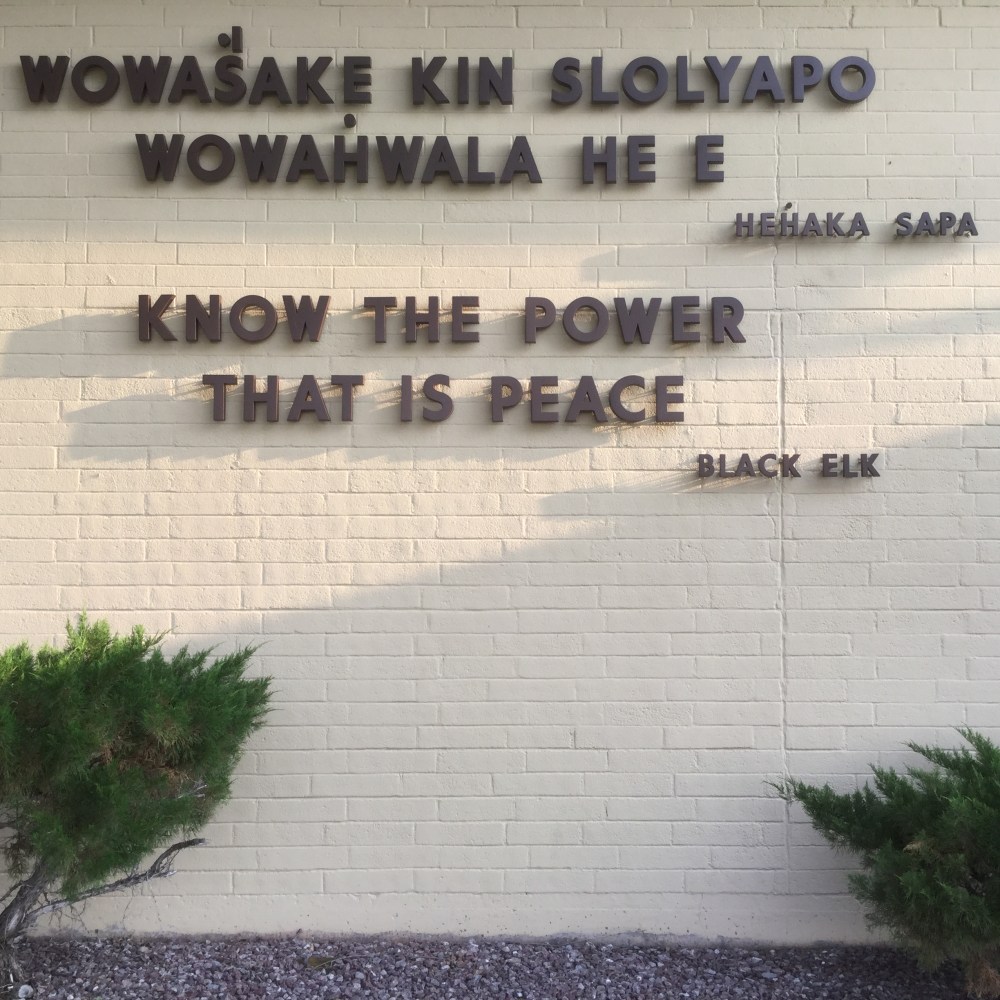
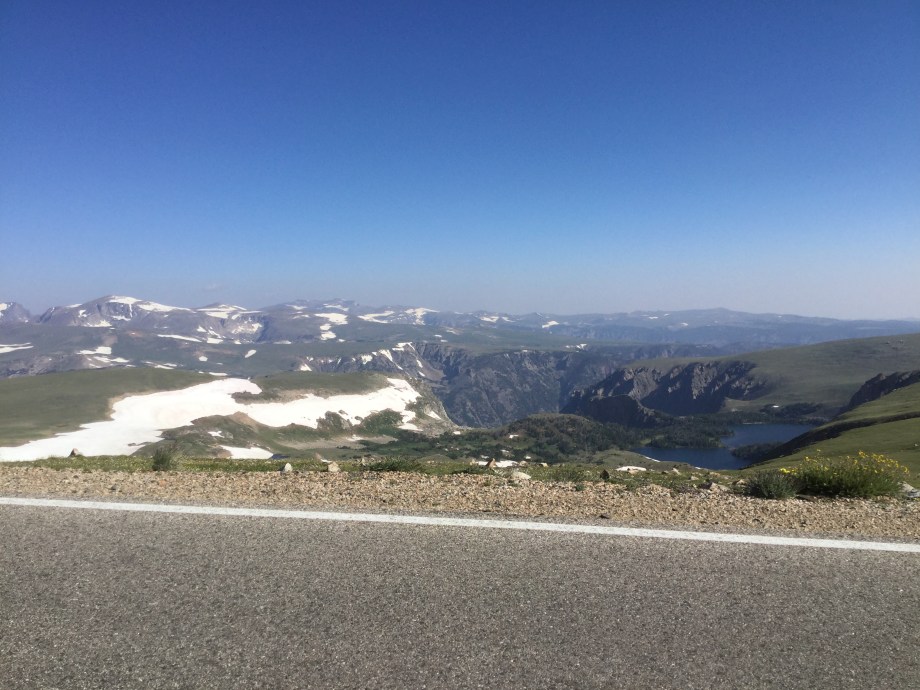
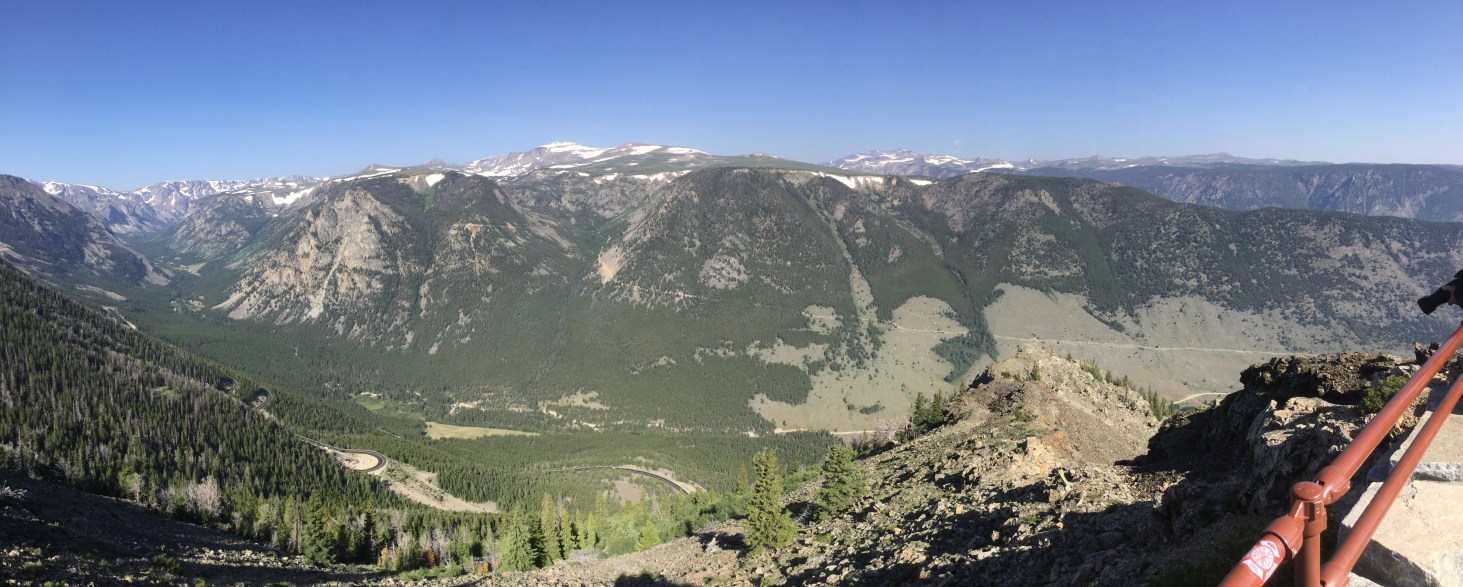
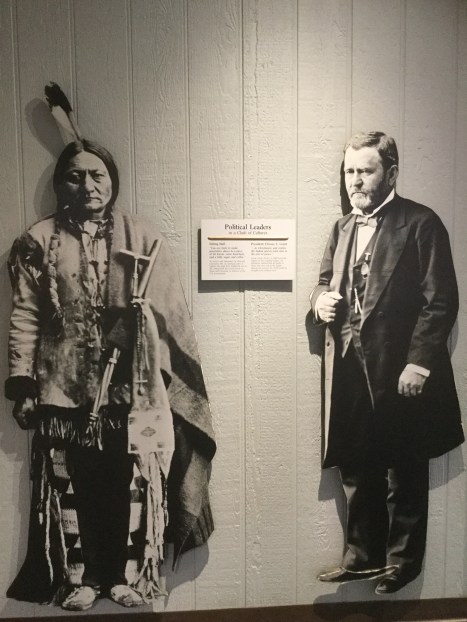
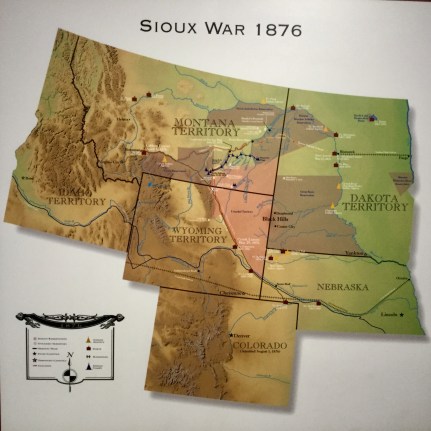
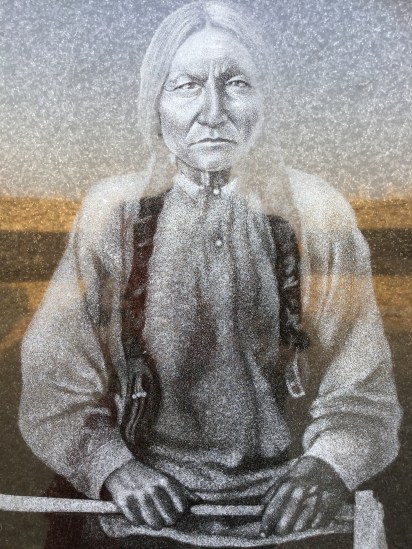
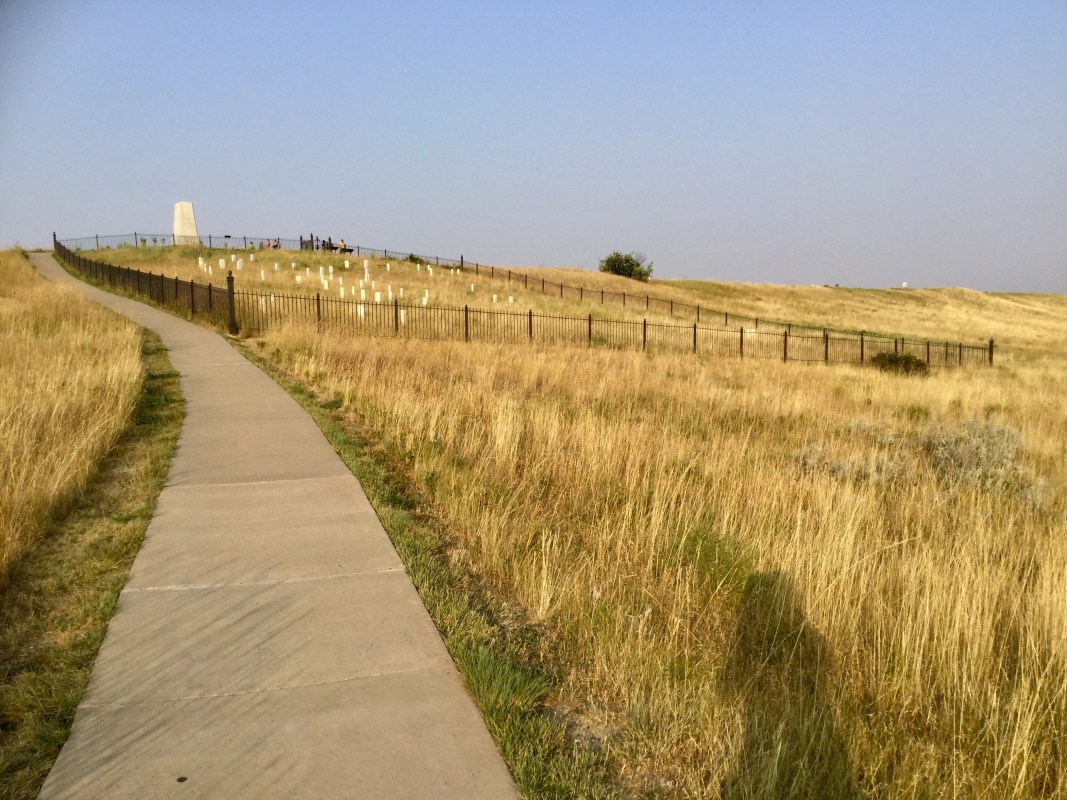
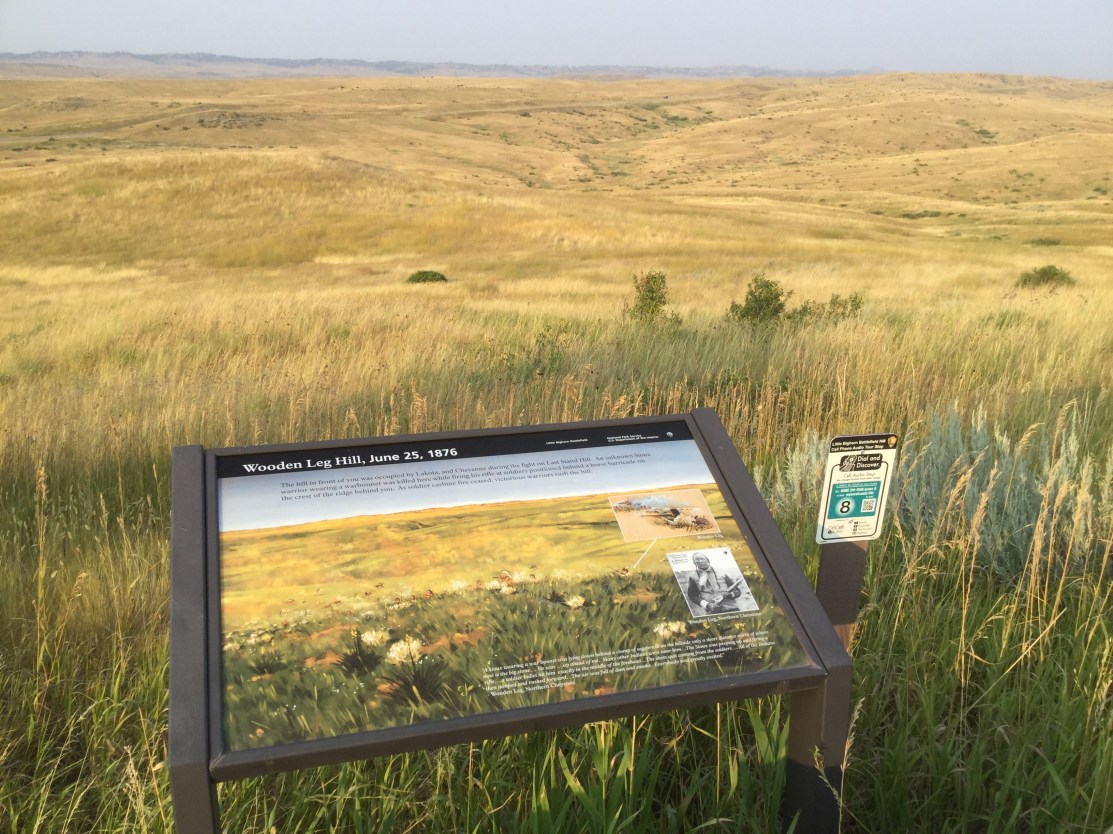
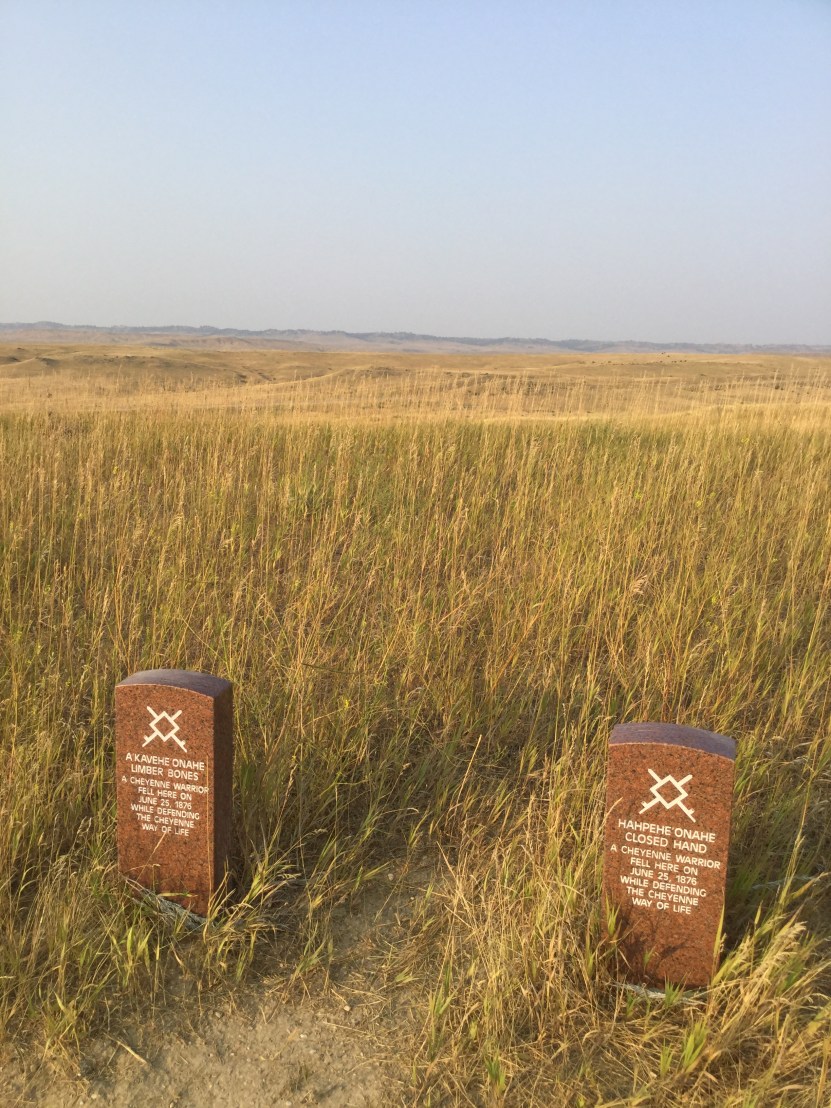


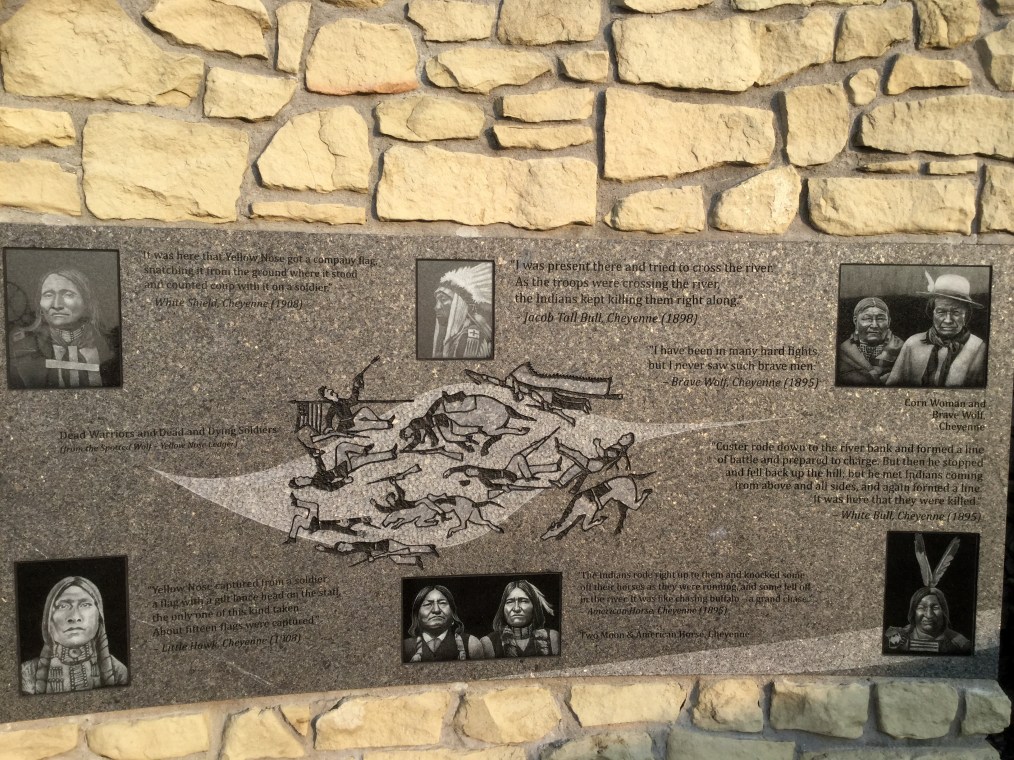
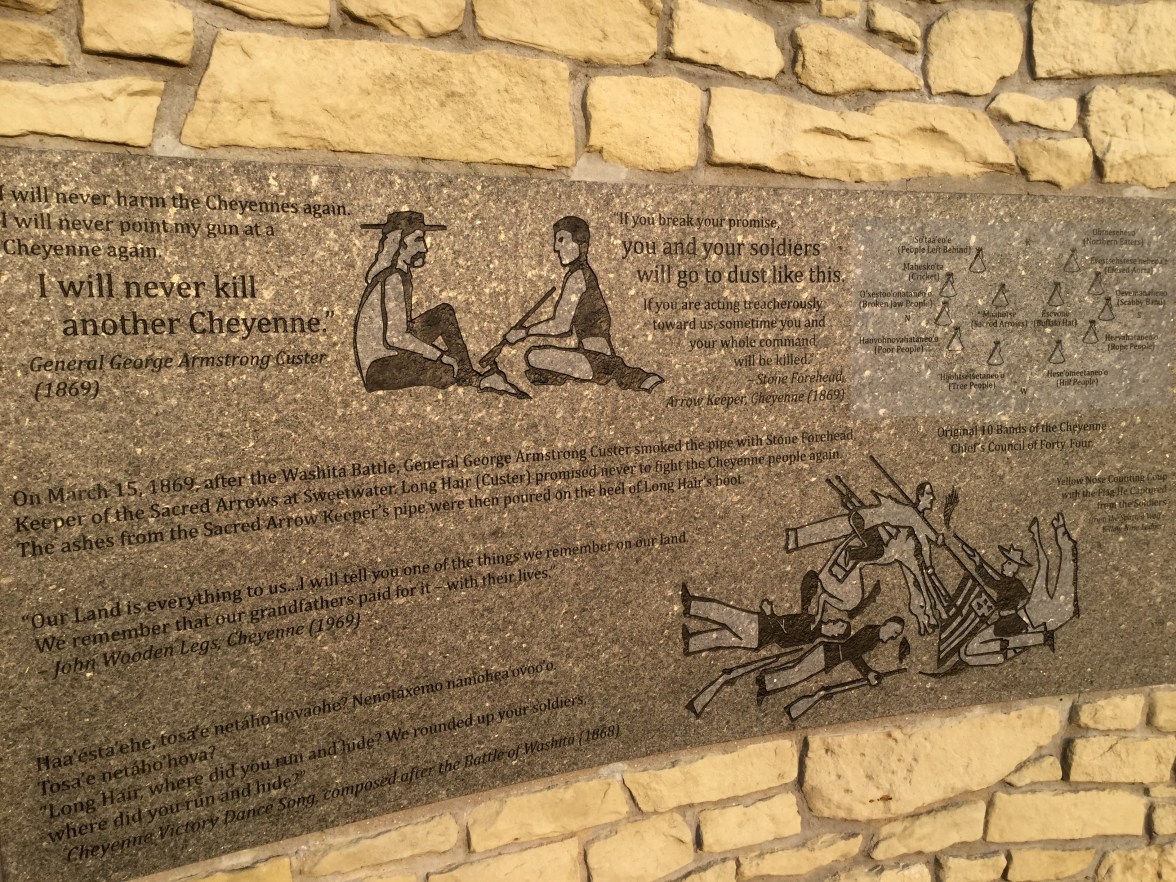
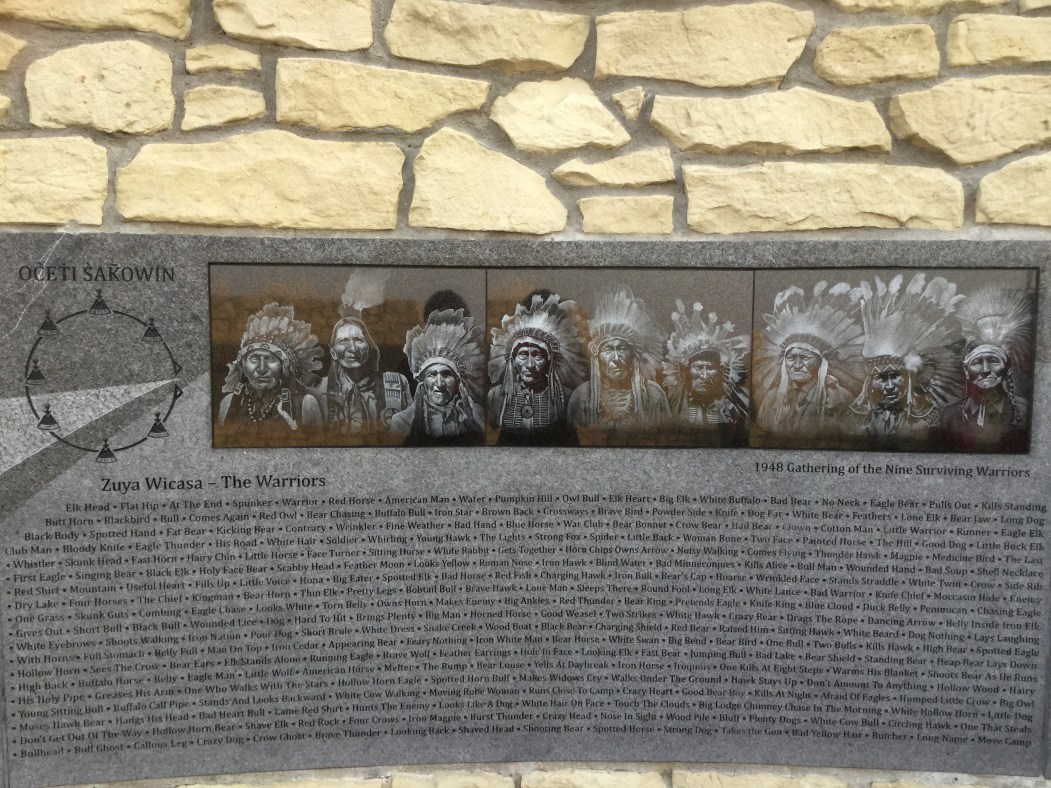
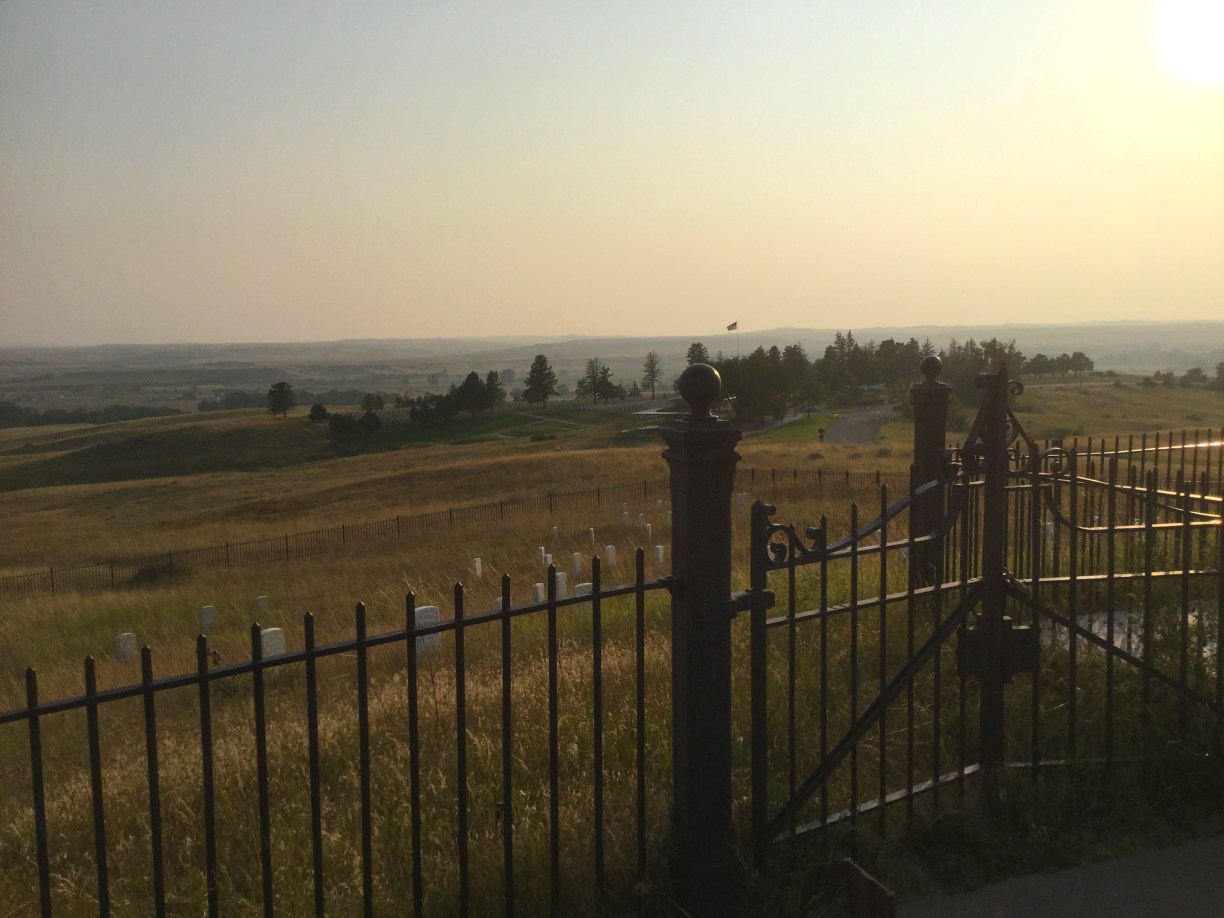
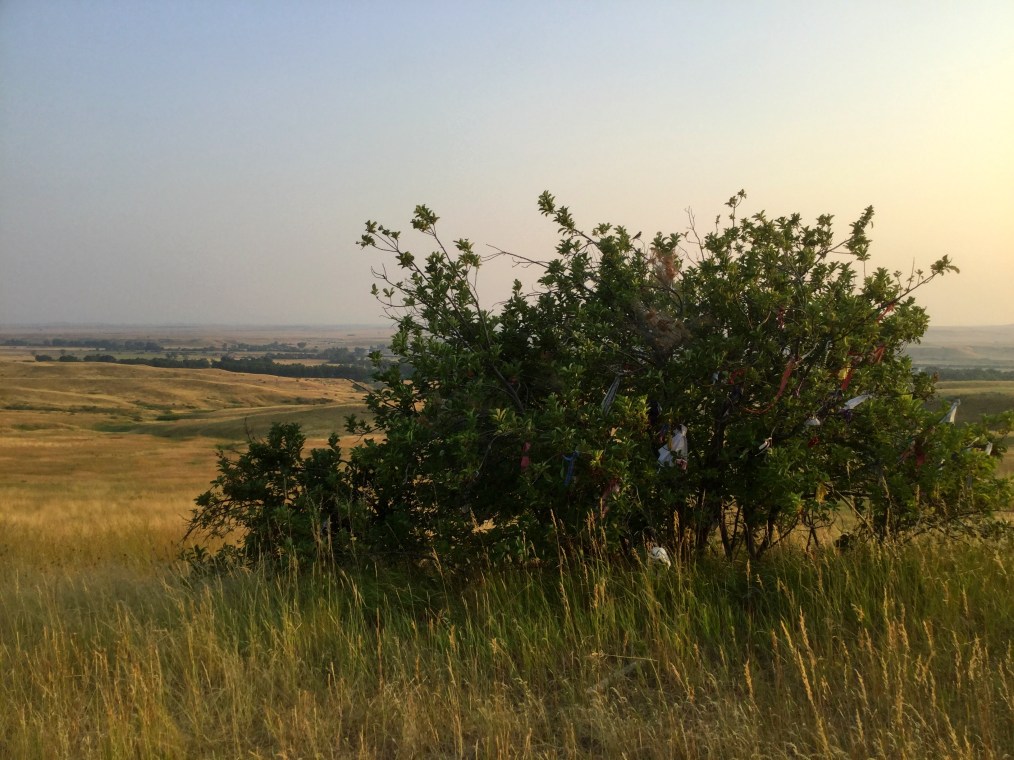
 Ordinary Philosophy